

The Rise of Modernism in Architecture: Key Features and Examples
Modernism in architecture changed the way cities appear and how folks interact with built areas. It started as a pushback against old-school decorations. Instead, it favored plain designs, practical uses, and fresh materials. This trend went beyond mere looks. It involved fresh ideas on how buildings fit into an industrial society. When you look into its growth, you see that modernism’s basic rules still show up in current city views. For instance, think about how many everyday office towers draw from those early ideas without even trying.
What Sparked the Emergence of Modernism in Architecture?
The start of the 20th century brought huge changes. Factories grew, new tech appeared, and society shifted in big ways. These factors all helped kick things off. Architects started to wonder if old styles could handle modern needs. After World War I, destruction everywhere pushed for quick fixes. So, they picked speed and usefulness over fancy touches.
Industrial Revolution and Technological Innovation
The Industrial Revolution brought steel, strong concrete, and big glass sheets. These items let builders escape limits from past ways. They could now create wide-open rooms and high buildings with slim supports. Take Chicago’s Home Insurance Building from 1885. It showed how tech could change building forever. Back then, folks marveled at its height—10 stories tall, using metal frames that felt like a leap forward.
Reaction Against Ornamentation
Unlike the busy fronts of Victorian or Gothic Revival buildings, modernist builders cut out extras to show the real bones. Louis Sullivan spread the idea “form follows function.” It became a key thought in modernism. This way stressed truth in materials and setup. It put real beauty aside for something more honest. Sometimes, you hear critics say it made things too stark, but that raw feel won over many.
Influence of Social Change
Cities grew fast, and daily life changed. People needed new spots like plants, work areas, and cheap homes. Modernism stepped up with plans centered on real help. Builders aimed for fair designs that anyone could use. They thought solid architecture should make daily living better for all. In places like growing European towns, this meant rows of simple apartments that housed thousands affordably.
How Did Modernist Principles Redefine Architectural Design?
Modernism brought a fresh way to see things, based on clear thinking and straightforward looks. Now, folks judged buildings by what they did and how spaces felt, not by extras.
Functionality as Core Value
Each part had a clear job. Walls just divided rooms, not held pretty designs. Windows let in lots of light, not just for even looks. This mindset made builders focus on how people walk and use areas. They cared less about street views. For example, in a typical modernist home, you might walk from kitchen to living room without a single door blocking the way.
Minimalism and Geometric Clarity
Straight lines, sharp corners, and basic shapes marked modernist work. The Bauhaus School in Germany taught these through classes that mixed art, making things, and factory work into one clear plan. Students there learned by hand, building models that felt real and useful right away.
Emphasis on New Materials
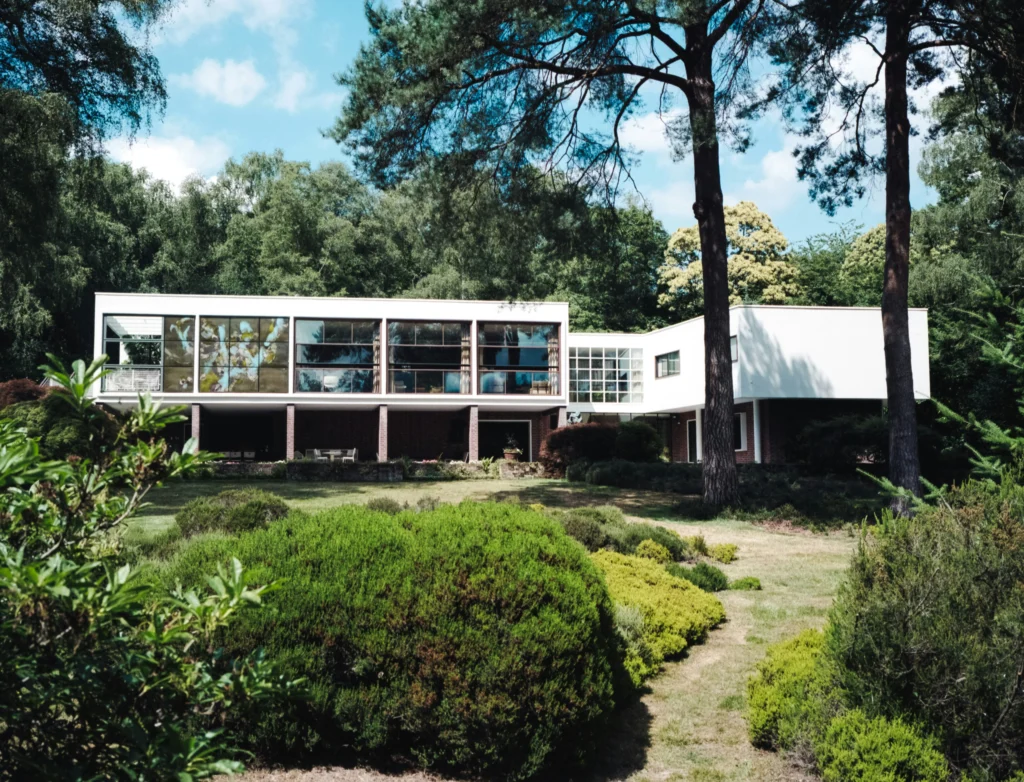
Glass walls and tough concrete opened up new room setups that no one had seen. Builders didn’t hide these items. They showed them off as signs of moving ahead. Look at Le Corbusier’s Villa Savoye from 1931. There, concrete platforms sit on thin posts. This creates wide insides full of brightness. It’s like the house breathes with the outdoors.
Which Architects Defined the Modernist Movement?
A few key people turned modernism into a worldwide trend. They did this with daring tests and strong ideas that spread far.
Le Corbusier’s Functional Aesthetic
Le Corbusier saw homes as “machines for living.” His plans put speed first—big open areas, green roofs, long flat windows. His Five Points of Architecture set basic rules that schools still teach. In practice, this meant buildings that ran smooth, like a well-oiled car, saving time and effort for users.
Ludwig Mies van der Rohe’s Structural Purity
Mies worked with plainness at its best: “less is more.” The Barcelona Pavilion from 1929 shows his skill with sizes and exact materials. He picked glass and steel for holding up and for looks that stress see-through quality and neat order. Visitors to the site often feel like the walls vanish, blending inside and out seamlessly.
Frank Lloyd Wright’s Organic Integration
People sometimes view Wright apart from European modernists. Yet he also ditched extras. He added ties to nature, though. His Fallingwater from 1939 blends rock levels with falls underneath. It proves modernism can work and feel like poetry too. Built over a stream in Pennsylvania, it uses local stone to make the house part of the hill, not just on it.
Why Did Modernism Become a Global Architectural Language?
After World War II, many places lay in ruins. They needed fast rebuilds that made sense. Modernism offered quick ways and bendy methods through standard building tricks.
Postwar Reconstruction Needs
Nations hit hard by war used ready-made concrete parts to fix home shortages. Modernist plans shaped whole city projects. Examples include Brasília in Brazil or Chandigarh in India. These stood as marks of country growth. In Brasília, for instance, wide avenues and boxy blocks housed over 2 million people by the 1980s, showing scale in action.
International Style Spread
By the 1950s, the International Style linked designs around the world. It shared traits like flat tops, free insides, and no extras. Big companies liked glass high-rises such as New York’s Seagram Building from 1958. These became signs of clearness and strength. From Hong Kong to Houston, similar towers popped up, often reaching 40 or 50 floors with shiny metal skins.
Influence on Education and Institutions
Building schools switched to modernist lessons. They stressed smart planning over copying old times. This backing from groups helped modernism stay strong until the late 1900s. Even now, grads from those programs carry the torch in quiet ways.
What Are the Key Features That Distinguish Modernist Architecture?
You can spot a modernist building right away these days. It shares its message with few words, all about plain truth.
Simplicity in Form
Modernist shapes skip needless twists. They use balance over add-ons. A basic box shape can seem grand when it fits well with sun or land. In rainy Seattle, for example, such simple forms shed water easily without fancy gutters.
Open Plan Interiors
Walls don’t rule how rooms work anymore. Spaces connect smoothly from one spot to the next. This flex works for home setups or work floors. Imagine a loft where you rearrange furniture freely—no fixed walls to fight.
Integration with Environment
Even with factory materials, modernism looked for peace with what’s around. It did this by facing sun or matching ground shapes. This idea lives on in green building today. A quick note: not every modernist piece nailed this perfectly, but the intent added warmth to the steel and glass.
How Has Modernism Evolved Into Contemporary Practice?
Modernism didn’t stop. It grew into postmodern styles, plain looks, tech-heavy designs, and more. Still, its core shows in city lines from Tokyo to São Paulo. Over time, builders tweaked it to fit new worlds, like adding color here or curves there.
Continuation Through Minimalism
Today’s plain-style fans take modernism’s hold-back but aim for calm feelings over just use. See Tadao Ando’s smooth concrete walls lit by gentle glow. In his Church of the Light in Japan, a simple cross cut lets beams play on plain surfaces, making quiet spots for thought.
Technological Adaptations
Computer tools let builders rethink modernist shapes with new making methods. They keep the truth in structure, a deep root from the early 1900s. Now, 3D printing helps craft parts that fit exact, cutting waste by up to 30% in some projects.
Sustainable Reinterpretations
Current eco-friendly spots echo modernist smarts: smart plans over too much gear. Sun-based tricks or block building link back to early leaders like Le Corbusier. He prized level-headed setups above all. In hot spots like Dubai, these ideas cool buildings naturally, saving energy bills big time.
What Are Some Iconic Examples That Embody Modernist Ideals?
Famous builds worldwide show how this trend stayed true yet fit different places. Each one tells a story of push and pull with the land or people.
Bauhaus Building in Dessau
Walter Gropius’ Bauhaus campus from 1926 stands for useful clearness. Each part fits its job while keeping looks together through long glass strips. Built in Germany, it housed workshops where students hammered metal and wove fabrics, blending school with real work.
Farnsworth House by Mies van der Rohe
Finished in 1951 near Chicago, this glass house floats on steel legs. It boils down to openness, mixing home life with wild nature. The single room inside lets views wrap around, though early owners griped about bugs— a human touch to the ideal setup.
Sydney Opera House by Jørn Utzon
More curvy than strict plain styles, its shell shapes show real structure. This fits late-modern views where build skills meet creative spark. Opened in 1973 after years of delays, it now hosts shows for millions, proving bold forms endure.
FAQ
Q1: What time period does architectural modernism cover?
A: Most scholars place it between the early 1900s and late 1970s when its core ideas dominated global practice before postmodern critiques emerged.
Q2: Why did architects reject ornamentation during this era?
A: They believed decoration distracted from function; removing it revealed structural honesty aligning design with purpose rather than tradition.
Q3: How did technology influence modernist architecture?
A: Innovations like steel framing and reinforced concrete enabled open interiors and taller buildings impossible under older masonry systems.
Q4: Is modernism still relevant today?
A: Yes; many sustainable strategies reuse its principles—simplicity, efficiency, material integrity—to address current environmental challenges effectively.
Q5: Which city best represents global modernism?
A: Cities such as Berlin or Chicago showcase key examples—from Bauhaus legacies to glass skyscrapers—that define how modernist ideals shaped urban identity worldwide.