European building styles explained through key periods and features
A practical guide to European building styles, from Romanesque and Gothic to Art Nouveau, modernism and Brutalism, with key features and historical context.
Read More
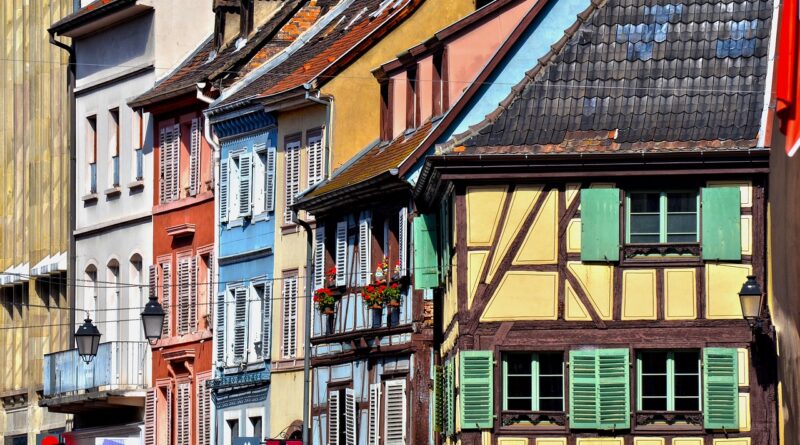
A practical guide to European building styles, from Romanesque and Gothic to Art Nouveau, modernism and Brutalism, with key features and historical context.
Read More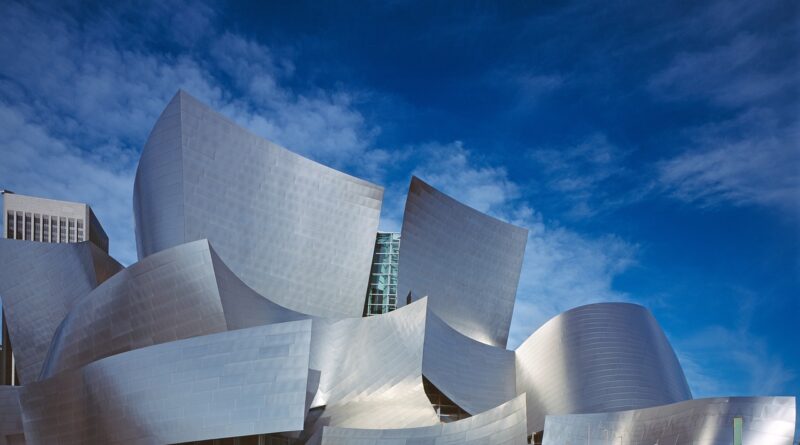
A modern contemporary building combines the clarity of modern architecture with today’s expectations for energy performance, flexibility, comfort, and local context. This guide explains the style, its practical features, and the design choices that make it work.
Read More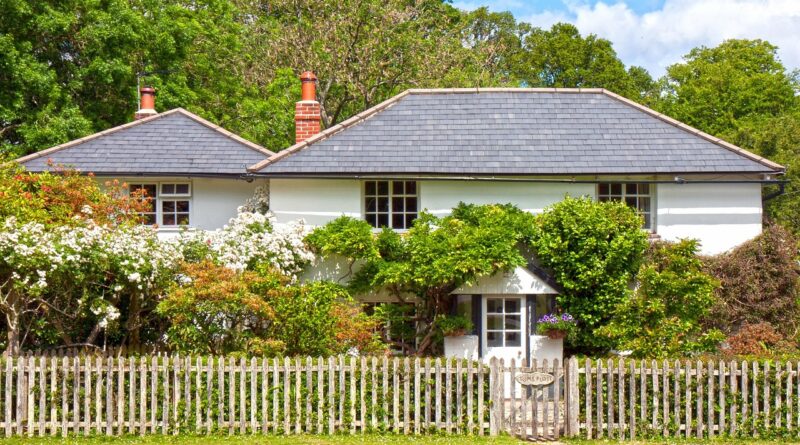
A practical guide to planning a cottage home with the right site checks, compact floor plan, architectural details, cost awareness, and resilient construction choices.
Read More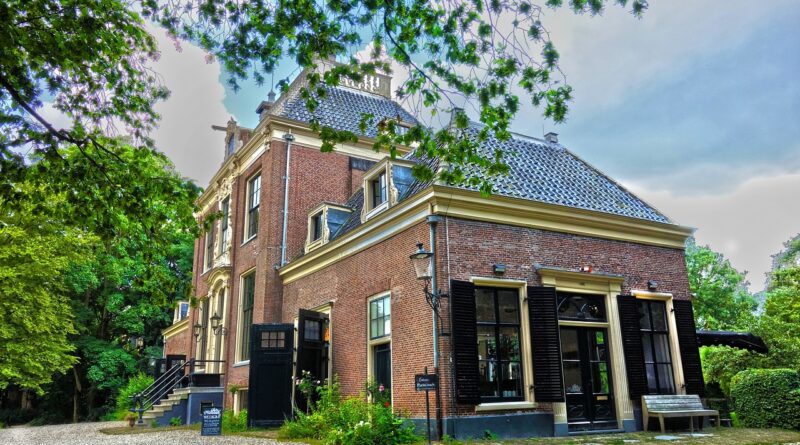
A mid century building is usually defined by postwar modern design, clear structure, open planning, indoor-outdoor connection, and restrained detail. This guide explains the style’s main traits, historical context, comparisons, and preservation issues.
Read More
A deco building is more than a decorative facade. This guide explains how Art Deco architecture works, which details to look for, and how it differs from related modern styles.
Read More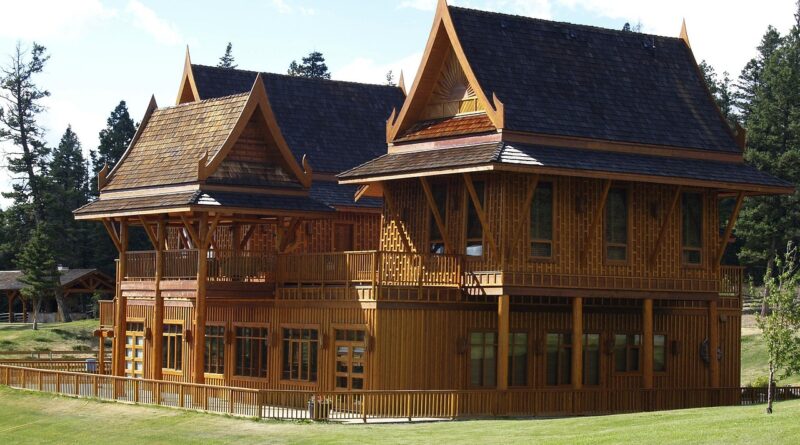
A practical guide to building a ranch style house that preserves its low, horizontal character while meeting modern expectations for comfort, accessibility, and energy performance.
Read More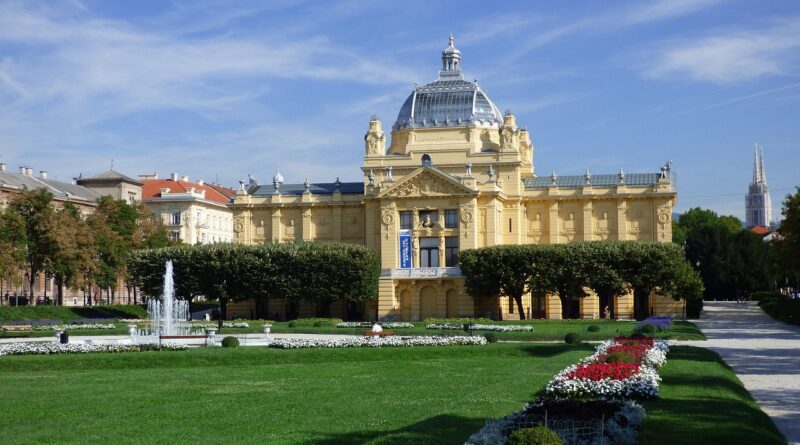
A practical guide to the major 19th century architecture styles, from Greek Revival and Gothic Revival to Italianate, Second Empire, Queen Anne, Romanesque Revival, Beaux-Arts, and Arts and Crafts.
Read More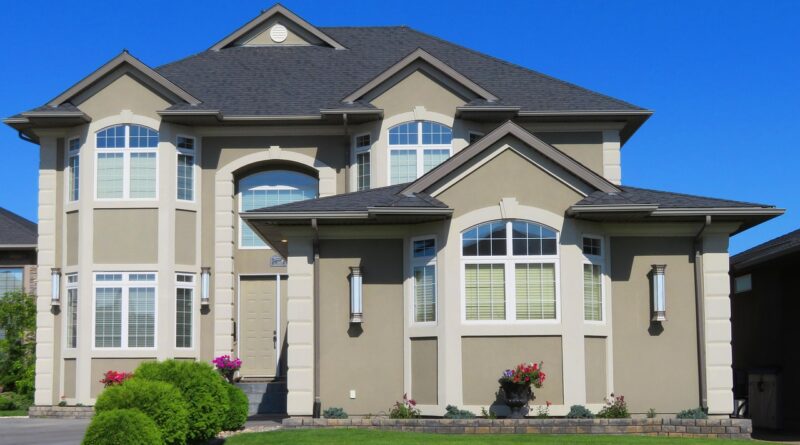
A practical guide to two story house styles, comparing common architectural looks with layout, lot, climate, accessibility, and maintenance considerations.
Read More
A practical guide to major building style families, visual clues, and common overlaps, for comparing historic, modern, regional, and residential architecture.
Read More
Minimalist building design is more than a clean visual style. It is a disciplined architectural approach that reduces form, detail and material choices so space, light and function can be read more clearly.
Read More