
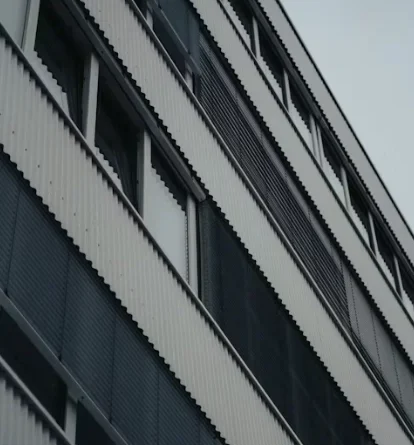
What Makes A Metal Building Facade The Core Of 2026 Rainscreen Design
Why Is the Metal Building Facade Central to 2026 Rainscreen Design Trends?
The growth of rainscreen systems as we approach 2026 is changing the way builders and planners think about the metal building facade. It goes beyond a simple shield now. Instead, it serves as a useful layer that mixes strong performance, eco-friendly features, and creative style. With towns aiming for more green building methods and clever outer walls, metal facades stand out as the main choice for solid structures.
Integration of Performance and Aesthetics
The current metal building facade strikes a good match between tough build quality and nice looks. Its straight edges and options for different surfaces fit well with simple building styles. At the same time, it hits eco targets. Take a look at some real projects. There, rough aluminum or rusting steel sheets work as both a strong cover and a bold visual feature. The setup of these facades lets creators manage patterns, sizes, and feels. They do this without losing any toughness.
Enhanced Environmental Responsiveness
By 2026, rainscreen setups will lean a lot on better coatings. These handle heat and dampness in all sorts of weather. Strong finishes like PVDF or those based on ceramics cut down on heat buildup. They also guard against rust. Such changes help keep buildings cooler in hot months. Plus, they stay dry in big storms. This matters a great deal in areas with wild weather swings. For instance, in places like the Pacific Northwest, where rain comes heavy and sudden, these systems prove their worth every day.
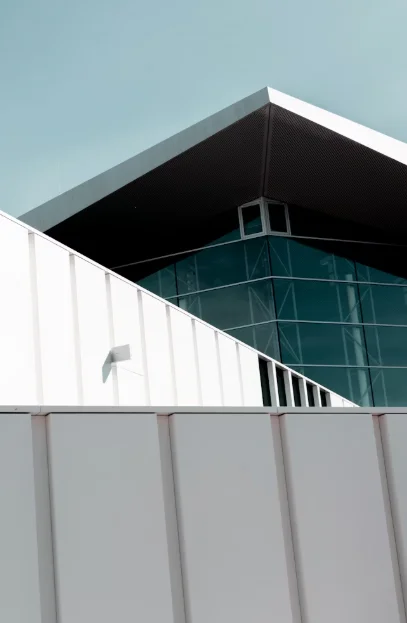
Compatibility with Modern Construction Systems
Today’s metal sheets come designed for easy piece-by-piece building. This makes setup quicker and cuts down on leftover scraps. Ready-made parts show up on site, all set to slot into computer-planned builds. As a result, whole jobs finish much faster. For those funding the work, this fit brings steady results. It also keeps the outer layer solid for years to come.
How Does Material Innovation Shape the Future of Metal Facades?
Advances in materials keep pushing the limits of rainscreen setups. New types of metal mixes, protective layers, and clever stuff will shape how structures handle their surroundings. They also affect how well these last over time. Think about it—materials like these aren’t just holding up walls anymore. They’re making buildings smarter in everyday use.
Development of High-Performance Alloys
Alloys such as aluminum-magnesium types and duplex stainless steels lead the way. These blends offer top-notch protection from rust and easy shaping. They stretch out the useful life of parts, even in tough spots like beach areas or factory towns. There, wet air and dirty fumes speed up damage. Builders pick these not just for their power. They also value the fact that you can recycle them fully. This plays a big role when checking a building’s full life cycle. In one case I recall from a coastal hotel project, these alloys held up after five years with no signs of wear, saving big on fixes.
Surface Treatment Advancements
Tiny-scale coatings are changing how surfaces work. They add a self-washing trait through water-repelling actions. PVDF layers still rule because they stand up to sun damage and keep colors fresh for many years. All this leads to less upkeep. You end up with fewer fresh coats needed over the building’s days. It’s practical—imagine a office tower in a dusty city that stays clean without constant washing crews.
Integration of Smart Materials
New metals that react to changes are coming into play. They adjust to things like warmth or bright light. Some early versions use shape-memory alloys. These shift air vents on their own when heat rises behind the outer cover. Such features turn rainscreens into lively wall systems. They move away from plain blocks that just sit there. While still in testing, these could change how we build in hot spots like the Southwest deserts.
What Role Does Sustainability Play in Metal Rainscreen Design for 2026?
Being eco-friendly isn’t a side choice anymore. It’s built right into each step, from picking raw stuff to recycling at the end. Metal outer layers fit this picture naturally. That’s thanks to their long-lasting nature and reuse options. Sometimes, though, folks overlook how much waste regular materials create—metals cut that down sharply.
Recyclability and Resource Efficiency
You can recycle metal sheets completely without any drop in worth. This backs up loop-style building that uses fewer new resources. Lots of makers now share Environmental Product Declarations. These list carbon use from start to finish. Such clear info helps choosers get green badges. For example, a recent warehouse build recycled 95 percent of its old panels into new ones, slashing costs and waste.
Energy Optimization Through Design
Shiny layers on aluminum or coated steel bounce back sun heat. This cuts how much warmth gets inside. In sunny areas, it means lower bills for air cooling. Field tests from big shop centers show drops of up to 15 percent. That’s real savings—think of a retail space in Texas staying comfy without cranking the AC all summer.
Compliance with Green Building Standards
Outer systems from well-sourced metals earn credits for LEED or BREEAM ratings. Clear reports like Health Product Declarations add more by listing chemicals in the chain. This openness boosts meeting rules. It’s straightforward for teams chasing those certifications.
How Are Digital Tools Transforming Metal Facade Engineering?
Computer-based ways of working have flipped how we plan, make, and put up metal outer layers. Tools for exact shaping now map every connection before work starts. This wipes out on-the-spot guesses. In practice, it’s like having a blueprint that talks to the machines—smooth and error-free.
Parametric Modeling in Facade Design
Software for changeable shapes lets creators tweak sheet forms on the fly. They can alter bends or hole patterns based on needs like air flow or natural light. This range helps make outer walls that look good and work well. One architect shared how it sped up a curved office front by weeks.
BIM Integration for Construction Accuracy
Building Information Modeling ties together planners, tech experts, makers, and fitters on one system. Spot-check tools catch clashes ahead of time. This skips expensive do-overs down the line. For tall city towers with tricky skins, this teamwork is a must. Without it, projects drag on forever.
Simulation-Based Performance Testing
Before making anything, computer runs test wind push, heat leaks, and sound handling in true settings. This guess-ahead method shortens real trials. It boosts trust once sheets go up. Teams in windy spots like Chicago use it to predict gusts up to 50 mph without surprises.
Why Is Fire Safety a Key Consideration in Modern Rainscreen Systems?
New rules have put fire protection front and center for rainscreen plans. This comes after some big fire events around the world with burnable covers. It’s a wake-up call—safety can’t take a back seat to looks.
Compliance with Evolving Fire Regulations
Materials that don’t burn, like aluminum or steel sheets with rock wool fillers, now lead choices for tall builds. Full setup tests under rules like BS 8414 or NFPA 285 must pass strict checks based on the area. These standards keep things safe without stifling design.
Innovations in Fire-Resistant Coatings
Coatings that swell in heat create a shield layer to slow fire growth. They don’t change how the surface looks. This gives creators room to play while sticking to tough laws. A hospital project used them to meet codes and still get that sleek finish.
System Detailing for Fire Compartmentation
Right setup of seams is vital for fire walls. It stops flames from climbing up while letting air move in the back space. Smart use of fire stops blends safety with breathable walls. Get it wrong, and you risk big problems.
How Does Architectural Expression Evolve Through Metal Facades in 2026?
Function isn’t everything. Art counts too. The metal building facade turns into a space for telling stories through shapes, shades, feels, and light play. It’s exciting to see how these evolve year by year.
Dynamic Surface Articulation Techniques
Planners often add holes, creases, or raised patterns to give surfaces life. These create shadows that shift with the sun. Small changes can turn flat sides into lively scenes. In a museum I visited, the facade changed looks from dawn to dusk—pure magic.
Color Strategy in Contemporary Design Language
Metal shades with dull finishes bring class without clashing with city views. Creators blend warm gold-browns with cool grays or deep blacks. This builds depth that matches a company’s image or area vibes. It’s all about fitting in yet standing out.
Integration of Lighting Systems into Facades
LED lines tucked in sheet edges make outer walls glow at night. They shift colors or designs for special times or crowd levels. This links building craft with tech displays. A stadium facade did this for games, lighting up in team colors—crowds loved it.
What Are the Emerging Challenges in Adopting Advanced Metal Rainscreens?
Progress brings good things, but it also stirs up issues. These need smart handling in planning and building stages. No one’s saying it’s easy, but working through them pays off.
Balancing Cost Efficiency with Innovation Demand
Top alloys and clever layers cost more at the start than old ways. Yet, their low-care side often balances the bill later. Funders should weigh full-life costs, not just the first check. One developer told me it took two years to see the savings, but they were glad.
Managing Thermal Bridging Risks in Complex Assemblies
Layers like fill boards, frames, and hooks can let heat slip if not watched. Steady fill with break-heat clips keeps the wall’s power at seams. Skip this, and energy goals flop. In cold climates, it’s a real headache without proper checks.
Ensuring Longevity Under Harsh Environmental Conditions
Beach jobs fight salty gusts. Factory areas handle grime. Both push layer strength over long stretches. Checks every five years spot early wear before big troubles hit. Regular looks keep things running smooth—simple as that.
FAQ
Q1: What makes metal facades ideal for modern rainscreen systems?
A: Their mix of power, reuse ease, and style options match both practical needs and fresh building aims in many weather types.
Q2: How do advanced coatings improve energy performance?
A: Shiny PVDF layers drop wall heat by sending back sun rays instead of taking them in. This cuts inside cooling work by a lot.
Q3: Are smart materials already used commercially?
A: A few test builds have added shape-memory alloys to air vents. Full use should come soon after more checks prove they hold up day to day.
Q4: What digital tools benefit facade engineers most?
A: Changeable shape programs linked with BIM setup spots give top accuracy in planning and making steps.
Q5: How often should metal facades undergo maintenance checks?
A: Every three to five years works, based on weather hits. Normal washes stretch layer life and keep looks sharp for many years.