
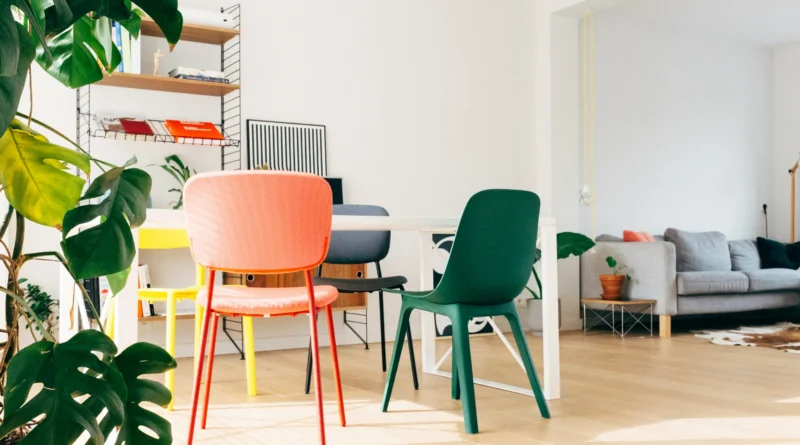
Furniture Design vs Interior Design Explained
The areas of furniture design and interior design sometimes cross paths. Yet they have clear separate roles in the world of space creation. Both fields help shape how folks connect with their surroundings. But their main goals, ways of working, and final results vary a lot. This piece looks closely at those differences. It checks out how each area adds to the looks and practical side of inside spaces. I always find it interesting how these two can blend in real homes or offices, making everyday spots feel just right.
What Defines Furniture Design?
Furniture design is a focused area that mixes art, engineering, and body-friendly features to make useful items for daily life. It goes past basic making skills. Every line, bend, and connection has both a pretty and strong purpose. Think about a simple wooden chair—its shape not only looks good but holds up over time too.
Creative Process and Material Selection
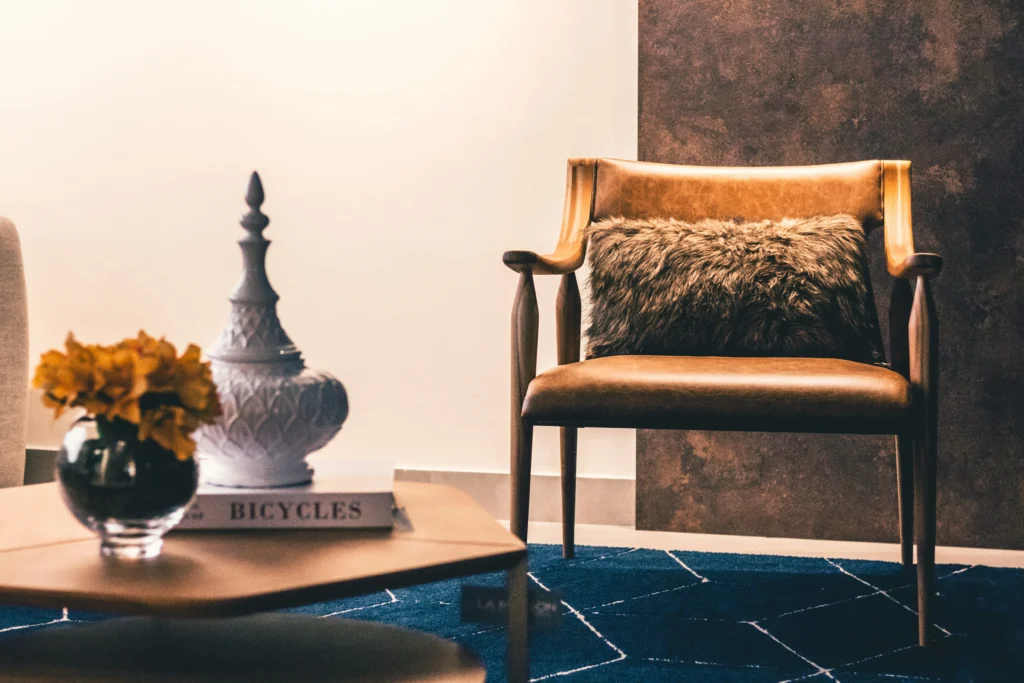
People who design furniture start by looking at what users really need. Then they draw rough ideas that mix ease with lasting strength. They often pick everyday stuff like wood, metal, glass, and green blends. A designer might go for oak to give a cozy feel or steel for that fresh factory-style vibe. The whole making process includes repeated checks to tweak sizes and touch sensations. For example, in a small workshop, they might test a table leg ten times before it’s perfect. This hands-on approach keeps things real and workable.
Functionality and Ergonomics
Practical use sits right at the heart of furniture design. Chairs have to hold up the body’s position well. Tables need the right height for easy reach. Storage spots must make the best of room without crowding the setup. Body-friendly design makes sure each item matches natural body moves. That’s why office chairs get tough tests for back support or height changes that fit different people. In my view, skipping this step leads to sore backs after a long day at work.
Role in Modern Architecture
In today’s building styles, furniture design works like an extra part of the whole structure’s idea. For instance, plain and simple rooms depend on smooth furniture shapes to keep things clear and open. On the other hand, nature-inspired buildings mix in made-to-order items that copy natural shapes or use local stuff. Picture a cabin in the woods with chairs carved from nearby trees—it just fits the scene perfectly.
How Does Interior Design Differ from Furniture Design?
While furniture design zeros in on single items, interior design puts together whole settings. It lines up color choices, light setups, feel of surfaces, sound control, and how space flows to stir feelings and reasons in a place. Sometimes, a bad light choice can make a room feel cold, even if the furniture is spot on.
Scope and Responsibilities
Interior designers handle wider parts like planning the setup, finding materials, following build rules, and teaming up with builders or planners. Their job goes from first drawings to watching the last setup. They make sure the building and decorations match well. In big projects, like redesigning a hotel lobby, they juggle dozens of details to avoid any mess-ups.
Emotional Impact and Spatial Experience
Interior design tries to change how people feel in a spot. The strength of lights can shift moods. Picks for surface feels can make things seem soft or sharp. The size balance of space can turn an area cozy or wide. Take hotel rooms, for example. They often use soft colors and stacked lights to build a welcoming feel. Office spaces, though, push for open layouts to boost work output. It’s like how a sunny kitchen makes cooking fun, while a dim one feels like a chore.
Collaboration with Other Disciplines
Interior designers team up with furniture makers a lot when making special items for certain jobs. This teamwork keeps things in line with the building’s main plan and how users live in it. It’s key in fancy homes or business spots where the brand’s look matters big time for how things appear. I’ve seen projects where this mix turns a plain office into something that screams success.
Where Do Furniture Design and Interior Design Intersect?
Even though they stand apart as fields, where they meet spells success in many jobs. There, shape and use come together without a hitch. It’s not always smooth, but when it works, the result shines.
Shared Aesthetic Principles
Both draw on basics like size balance, even spread, steady beat, sharp differences, and full oneness. These are the building blocks of good looks in setups. A smart chair fits right into its color surroundings as much as it helps body ease. When these parts line up in style, rooms get a smooth look without extra junk or mess. For instance, in a living room, a blue sofa against white walls just pulls everything together nicely.
Integration in Project Development
In big builds like hotels or display halls, interior designers sketch the big picture. Furniture makers then turn those thoughts into real items that boost how things work. This joining stops odd outcomes where stuff looks out of place from the building’s feel. Over years in the industry, pros know that skipping this step often leads to costly fixes later.
Sustainability Considerations
Green thinking now hits both areas the same way. It covers picking materials to checking full life cycles. Makers more and more use reused metals or woods checked by FSC. They cut waste in building through piece-by-piece methods. Clients who care about the earth want clear info on carbon tracks for every part of a job’s run (source: U.S. Green Building Council report 2023). Interestingly, some small shops even track water use in their wood drying process to stay extra green.
Why Is Furniture Design Important in Interior Spaces?
Furniture serves as the direct link between people and buildings. It sets how folks sit, work, eat, relax, or chat in made spots. Without good pieces, even the best walls feel empty.
Enhancing Usability
A well-thought-out work desk pushes for straight posture and smooth task flow. Home couches built with flexible parts let setups change for family meetups or tight city living. These cases show how smart changes turn regular days into easy, comfy routines. In urban apartments, where space is tight—say, just 500 square feet—a foldable table can make all the difference for meals or homework.
Reflecting Cultural Identity
Furniture often carries stories from cultures through old making ways or local styles. Nordic clean lines stand out against fancy Italian old-world designs. Yet both show who they come from through their shapes (source: Design Museum London archives 2022). It’s fascinating how a Moroccan rug-patterned chair can bring travel vibes to a plain room without much effort.
Economic Influence on Market Trends
The world furniture trade hit about $580 billion USD in 2023 (Statista). Buyers now lean toward items they can tweak over factory-made ones. This change comes from wants for personal touches in inside design areas that pick real feel over same-old looks. Market watchers say this shift grew 15% in the last two years, driven by online custom shops popping up everywhere.
How Do Technological Advances Shape Both Disciplines?
New tech keeps changing how creators work in both spots. It goes from computer drawing tools to clever stuff that boosts how things perform past old bounds. Tech isn’t perfect, though—sometimes it glitches and slows things down, but overall, it helps a ton.
Digital Prototyping Tools
Apps like Rhino or Autodesk Fusion let folks build exact models before starting real builds. This cuts down on throwaway stuff. It also opens up tricky shapes that hand drawing couldn’t touch. Virtual setups take it further by letting clients walk through fake rooms before work starts (source: Dezeen Technology Review 2024). In one project I recall, a team saved weeks by spotting layout issues in VR before hammering a single nail.
Smart Materials Innovation
Steps forward in changing fabrics or reacting covers make furniture that shifts hardness on its own from body sense tools. This blends ease know-how with hands-on tech once stuck in factory tests (MIT Media Lab Studies 2023). Imagine a bed that softens just where you need it after a long day—it’s like magic, but backed by real science.
Automation in Manufacturing
CNC cutting tools now make joint work spot-on. Robot lines cut down on people mistakes. They keep fine hand-made touches through computer set plans used a lot in top make spots like Herman Miller or Vitra factories (industry reports 2023). These machines run 24/7 in some plants, pumping out pieces with zero flaws, which keeps prices down for buyers.
What Are the Educational Paths for Each Profession?
Training for pros splits early on. But both start with art basics and space think skills taught in most design places around the world. Paths can twist based on where you study, adding local flavors to the mix.
Academic Programs Focused on Furniture Design
Learners usually chase four-year degrees that stress item building ways mixed with stuff science classes. These cover wood work skills along with computer help for models key to exact build needs from makers worldwide (source: Parsons School of Design curriculum guide 2023). Grads often start in small studios, learning by fixing real prototypes on the spot.
Interior Design Curriculum Structure
Inside design courses blend building draw classes with mind-based parts on how people act in spaces. This setup makes sure plans hit feel-good sides along with pretty looks (source: American Society of Interior Designers Education Standards 2022). Students might spend a semester visiting sites, noting how light changes moods in actual rooms.
Professional Accreditation Requirements
License rules change by country. But they often call for work sample checks plus ongoing learn points to keep up with new safety rules. These include fire hold levels or easy-reach guides under ADA setups for U.S. jobs since 1990 changes kicked in, as noted in fed record sets updated in 2021. Pros renew every few years, sharing tips at meetups to stay sharp.
FAQ
Q1: What Is the Main Difference Between Furniture Design and Interior Design?
A: Furniture design centers on making single useful items like chairs or tables. Interior design sets up whole settings. It covers lights, colors, surface feels, and flow plans for smooth space feels all around.
Q2: Can One Person Be Both an Interior Designer and Furniture Designer?
A: Yes, many pros train in both. This gives them more say in creating. It helps in small shops making special items that fit right into made-to-fit insides for steady brand looks.
Q3: How Important Is Sustainability in Modern Furniture Production?
A: Very key. Earth-friendly stuff, reused metals, and low-smell finishes lead buyer picks. They match green duty aims backed by world check systems that prove these ways work well.
Q4: Which Software Tools Are Commonly Used by Designers Today?
A: Tools like AutoCAD, SketchUp, Rhino, Revit lead the daily work. They help with true views and build-ready papers. This supports team work among planners, tech folks, and makers smoothly.
Q5: Does Technology Reduce Human Creativity in These Fields?
A: No, not really. Tech boosts what can be done. It handles boring jobs, so creators spend time on fresh ideas. This grows the edges of skilled making today, way beyond old hand-work times.