
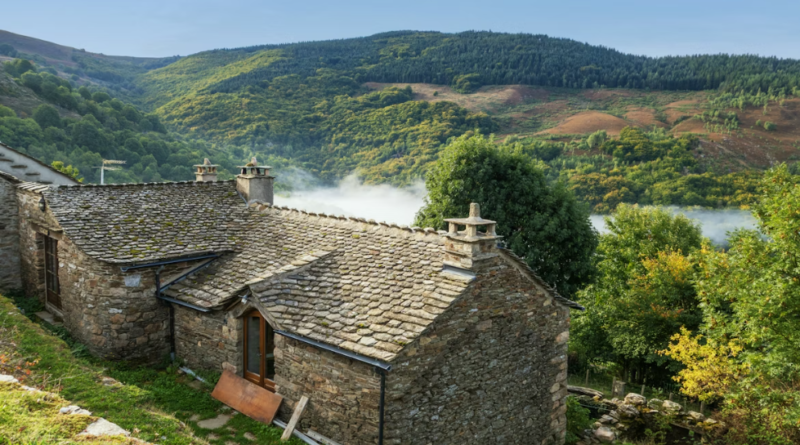
How Deep Green Architecture Shapes the Regenerative Pivot for 2026 Carbon Tax Compliance
How Does Deep Green Architecture Redefine the Regenerative Pivot for 2026?
As the building industry deals with growing demands to hit worldwide carbon neutrality goals, deep green architecture stands out as a key approach. It goes further than just cutting damage. Instead, it works to rebuild natural areas and community setups. By 2026, when rules on carbon taxes turn into a major standard, builders need to switch to models that build in nature smarts at every step of planning.
Think about a city project in Europe. There, teams used deep green ideas to turn an old factory site into a space that not only cuts emissions but also boosts local wildlife. This kind of shift shows how the field is changing fast.
Integration of Regenerative Design Principles
Deep green architecture steps past basic sustainability. It creates setups that fix natural balance. The idea is that structures can act like living parts. They make power, purify water, and help different plants and animals grow. Regenerative design stresses full resource loops and better variety in life forms. It makes sure that leftover from one part feeds into another. Now, building plans match up with goals for no net carbon and fixing nature. They make places that mend instead of drain resources.
For example, in a recent project in Australia, a school building collected rainwater to use in its gardens. This simple step helped the whole area stay greener during dry spells.
Alignment With Global Carbon Reduction Frameworks
Linking deep green architecture to world climate rules matters a lot. The 2026 carbon tax sets clear targets for lowering emissions. It urges builders to measure nature effects from start to finish. Deep green plans fit with tools like carbon credits and balances. This makes good business from caring for the planet. Work across fields helps architecture match big climate promises, such as those in the Paris Agreement. It also ties into local vows for net-zero.
In places like California, developers already use these links to cut costs on taxes. It’s a smart move that pays off over time.
Influence on Urban Development Paradigms
City planning moves from just lessening problems to fixing them. It uses old building tweaks and nature-loving designs. Towns take on deep green rules as part of plans to handle weather dangers like hot spells and floods. Blended-use spots now mix in live systems. For instance, roof ponds or tall tree walls improve how the area handles the environment. At the same time, they make life better for people living there.
Take Singapore’s vertical gardens. They not only cool the air but also give residents a touch of the outdoors right in the city heart.
What Are the Core Principles Driving Deep Green Architecture?
Deep green architecture rests on basic ideas that mix exact tech with care for nature. Each idea helps a cycle where man-made spots and wild areas support each other.
Energy Efficiency and Net Positive Performance
Using energy well is still a base. But deep green architecture reaches further. It targets making more power than it uses. This happens with clean sources like sun panels or earth heat systems. Passive ways cut daily power needs over the whole life of a building. They let in lots of natural light and air flow. Smart tools watch energy use right now. They also track other resources. This lets the building change based on who is inside or the weather outside.
In one office building in Sweden, these systems cut bills by 40%. Workers felt more alert too, thanks to better light.
Material Circularity and Life Cycle Stewardship
Material circularity shows how stuff moves through a job’s time. Picking materials focuses on low hidden carbon and easy reuse. This lessens harm from digging up new ones. Checks on full life cycles guide building choices that fix things. They count nature marks from start to end and back. Plans for taking apart help reuse parts. Components get saved or used again instead of thrown away. This is a big part of making no-waste building worlds.
I’ve seen teams in Canada repurpose old wood from barns into new homes. It saved money and kept the local forest intact.
Ecological Integration and Human Well-being
Architecture links people back to nature ways through elements like inside plants or light paths. Green setups help clean air, hold water, and make homes for animals in city spots. Designs for health boost thinking, ease, and work output. They mix nature into daily life. Studies show more green links to better mind health.
Picture a hospital with indoor trees. Patients recover faster, and staff report less stress. It’s a small change with big wins.
How Does Deep Green Architecture Facilitate Carbon Tax Compliance by 2026?
With carbon tax systems getting stricter around the globe, builders must see emission facts as a must-do rule and a spark for new ideas.
Quantifiable Emissions Reduction Through Design Innovation
Tools for energy modeling check how well things work against tax limits right at the start. Tweaking the outer shell cuts needs for heat, cool air, and lights. It keeps looks and comfort intact. Materials with low carbon, like layered wood or reused metal, lower what gets taxed for emissions. They hold up strong too.
In a UK housing project, switching to these materials dropped the carbon footprint by 30%. It met rules without extra hassle.
Data Transparency and Carbon Accounting Systems
Digital copies let teams watch carbon measures all through a building’s life. Block chain tracking makes sure reports are true for checks. It builds records that can’t change of where materials come from and power use. Linked setups join planning data with tax systems live. This makes reporting easy and right.
Such systems are like a diary for the building. They help avoid fines and build trust with regulators.
Policy Synergy Between Architecture and Regulation
Designers team up with rule makers to build flexible paths that fit different areas. Rewards go to those who start regenerative ways in builds. They get lower taxes or better loan deals. Matching rules speeds up use across places and fields. It lines up what “net-zero” or “regenerative” means.
Why Is the Regenerative Pivot Essential for Developers in the Carbon Transition?
The switch to regenerative ways is more than right thinking. It’s a money plan that guards against risks in a world cutting carbon quick.
Economic Resilience Under Emerging Carbon Tax Models
Builders lower money risks by putting cash into low-emission items early. This happens before fines rise after 2026. Buildings that use less carbon get higher values in green money markets. Buyers there like setups that follow ESG rules. Lower running costs boost returns over time. This holds as power prices shift with new taxes.
One developer in New York saw their property value jump 25% after going green. It was a clear win in a tough market.
Market Differentiation Through Deep Green Certification Systems
Labels like Living Building Challenge check regenerative facts better than old green tags. Proven marks build a strong name with big money backers. They want real sustainability results. The market now picks spots that show regeneration clear. Open facts drive trust from buyers.
It’s like a badge of honor. Projects with it sell faster and at better prices.
Strategic Positioning Within the Net-Zero Transition Timeline
Matching 2026 goals early gives a lead in rules and shows strong climate plans. Step-by-step rollout helps big changes in holdings. It starts with test spots and moves to full carbon cuts. Long plans mix cut-carbon steps into work lines. Each build adds to company net-zero aims.
How Do Technological Innovations Support Deep Green Implementation?
Tech serves as a helper and speeder for deep green changes. It joins data know-how with nature smarts.
Advanced Simulation Tools for Predictive Performance Analysis
AI models guess nature results over a building’s life. They use live data from weather or material lists. Tools that change parts adjust things like wall shapes or shade levels. They hit the best fix yield without hand math. Guess work guides choices from idea to daily run. It cuts doubt in hitting goals.
In practice, these tools helped a team in Japan avoid costly redesigns. They saved weeks of work.
Smart Infrastructure for Adaptive Resource Management
Sensors from the Internet of Things sit in building parts. They control power, water, and waste flows based on who is there or outside weather. Live checks keep inside air and comfort at best levels. They tweak heat and air systems if things go off track. Self-run setups fine-tune the building to cut emissions without people stepping in. It’s a silent shift inside the walls.
Imagine a home that dims lights when you leave the room. It feels natural, not forced.
Integration of Renewable Energy Ecosystems
Sun setups on site, small wind machines, and earth heat spots back net positive power aims. They work even in tight city spots with little room. Small grid links boost strength during power cuts or high use times. They let buildings share power close by. Storage like lithium-ion batteries steady the flow. This keeps things running smooth when clean power varies.
A community in Germany uses this to power a whole block. No blackouts during storms—impressive stuff.
What Role Does Stakeholder Collaboration Play in Achieving Regenerative Outcomes?
Deep green change needs group smarts. No one field can make regeneration by itself.
Cross-disciplinary Synergy Among Design Teams
Designers join with builders, nature experts, data pros, and town planners. They make full answers fit to the spot’s needs. Shared modeling spots smooth talk over job steps. This builds joint duty for results. It stops lone expert groups from leading choices.
Teamwork like this turned a plain lot in Brazil into a thriving park. Everyone had a say.
Engagement With Policy Makers and Financial Institutions
Money setups now push cash to checked regenerative jobs. They offer low rates or longer pay times linked to real impact numbers. Rule matches make sure carbon price ways apply the same worldwide. This cuts mix-ups for global builders handling spots in many areas at once.
Community Participation in Regenerative Urbanism
Local people shape design results through hands-on planning. It shows their culture and nature needs. Led-by-community care plans keep nature health after builds end. They make sure spots stay useful long after openings. Fairness rules give open access. So, fix benefits reach all city folks, not just the well-off.
In one neighborhood in India, locals planted native trees. It bonded the community and cleaned the air for years.
How Will Deep Green Architecture Shape the Future Beyond 2026?
By 2026, deep green architecture grows from a special idea to a common hope. But it goes way further. It molds how towns grow toward planet health aims.
Evolution Toward Climate-positive Development Models
Man-made spots shift from even spots to ones that add back. They fix resource flows more than balance them. Full circle money ways change how materials get sourced, owned, and reused. They keep value in chains from start to end. New climate-plus marks from building work shape future rules everywhere. They lift policy starts toward fixing, not just cutting.
Years from now, we might see cities that actually improve the air quality around them. It’s an exciting thought.
Expansion of Regenerative Metrics Across Industries
Check systems grow past just carbon. They add life variety, water steady, and fair share signs. This makes full sustainability scores. Data joins across fields let full check models link farming, making, and moving under one planet count way. Wide use in fields drives big changes. It lines money pushes, tech steps, and rule paths around common nature good aims.
Legacy of Deep Green Thinking in Architectural Practice
School plans put regenerative know-how into training for pros. They ready young designers skilled in tech and care for nature rules. Design views turn from use-up growth to long care morals. They redefine wins through strength, lasting, and fit, not just newness, size, or quickness alone. The building field rethinks win measures. It stresses giving back, long life, and match between people wants and nature fix cycles. This shapes our built past wisely.
Looking back, this could be the shift that saves our urban spaces from overload.
FAQ
Q1: What distinguishes deep green architecture from traditional sustainable design?
A: Deep green architecture centers on regeneration. It makes buildings that give more than they take. Traditional sustainable design mainly cuts harm. It does not always fix natural areas.
Q2: How can developers prepare for 2026 carbon tax compliance?
A: Developers should add emission modeling early in plans. They can pick low-carbon materials. Also, they need to record full life data on digital tools. This links straight to new tax setups for clear reports.
Q3: Why are certifications important in deep green projects?
A: Certifications like Living Building Challenge give outside checks. They confirm projects hit strict regenerative marks. This builds trust with money backers. It helps stand out in markets and gains respect from others.
Q4: What role does technology play in achieving regenerative performance?
A: Tech like AI models, IoT sensors, and blockchain tracking helps. They do guess work, adjust controls, and check reports. This turns hard sustainability aims into real, do-able facts.
Q5: How does community engagement enhance regenerative outcomes?
A: When locals join in, they shape designs to fit local nature and ways. This keeps care going after builds finish. It builds shared care for long nature wins.