
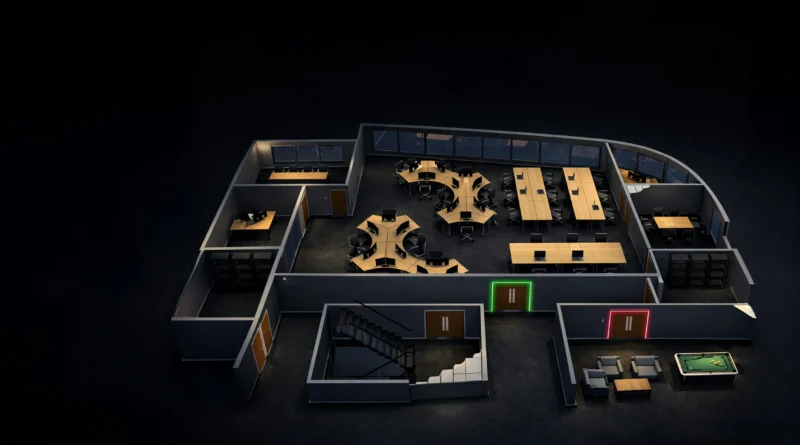
Best Floor Plan Strategies for Residential and Commercial Spaces
Creating a smart floor plan stands out as one of the main steps in forming how folks use a place. If you are setting up a house or a business building, the setup shapes ease, motion, and even how well a company runs. A carefully planned layout mixes looks with purpose. It goes beyond just placing walls. It focuses on how people move through them. This piece looks at useful tips that experts apply to build practical and flexible setups for homes and work areas alike.

How Does a Floor Plan Affect Space Efficiency?
A floor plan serves as the base of any building. It sets how rooms link up. It decides how sunlight gets in. It shapes how people act inside the area. For houses and offices, being efficient means more than cutting down on space. It involves making the most of the area without losing comfort.
Spatial Flow and Circulation Patterns
Good flow lets people travel easily between parts of the building. In home design, this might involve placing bedrooms far from loud living spots. Or it could mean putting kitchens close to eating areas. In business setups, it usually calls for wide hallways that avoid jams during busy times. Builders often use zoning methods. These split public and private spots. Yet they keep things easy to reach. I recall a small family home where the designer zoned the play area away from the study. It made quiet time possible without constant interruptions.
Functional Zoning Principles
Functional zoning splits a structure into clear sections based on what happens there. Think work areas, rest spots, or utility zones. This idea matters a lot in buildings that mix living and business uses. When you group like activities, energy use drops. Noise stays better managed. And upkeep gets simpler. For example, in a city apartment block with shops below, zoning keeps the store noise from bothering upstairs residents. It’s a small tweak that pays off big in daily life.
Furniture Placement and Circulation Space
How you set up furniture can ruin or save the feel of a room. Packed spaces seem tiny. So, leave enough room around big items for easy walking. This cuts down on mess in sight. Designers suggest at least 36 inches of path around things like tables or counters. In one office I heard about, they added extra space around desks. Workers moved faster, and the place felt less stressful on rush days.
What Are the Key Elements of a Successful Residential Floor Plan?
Home areas need to mix private spots with open ones. They should fit everyday habits. A solid floor plan thinks ahead to how people live. It does not just respond to needs as they pop up.
Open-Concept Living Areas
Open setups stay in demand. They link kitchen, eating, and sitting rooms with clear views. This setup boosts chats among family. It also lets you shift furniture around easily. But sound control is key. Without it, big open spots turn loud fast. Picture a family dinner where voices echo too much. Adding rugs or panels fixes that quick.
Natural Light Orientation
Smart window spots lift spirits and cut power bills. In many places, south-facing windows grab steady sun. Skylights light up middle rooms without outside walls. Use shades to block heat in warm seasons. One builder shared how a simple overhang cut cooling costs by 15% in a sunny spot. It’s practical math that works year-round.
Private vs Public Zones
Keeping private rooms like bedrooms apart from public ones like living areas boosts ease and safety. In homes with floors, put sleeping spots up high. This creates calm hideaways away from main paths. Families often find this setup helps kids sleep better, far from evening TV noise.
How Do Commercial Floor Plans Drive Productivity?
In business building design, the layout ties straight to worker output and visitor feel. A bad setup leads to waste or risks. Sometimes, it even causes small accidents in tight spots.
Workflow Optimization
Smart office plans match the space to daily tasks. For example, put teams that talk often close by. This saves steps across levels. In shops, place goods along shopper routes. It keeps folks looking longer. A retail store owner once moved displays near entrances. Sales jumped 20% because customers lingered more.
Flexibility for Future Growth
Companies change fast. So, plans that adapt matter. Use movable chairs or walls that shift. This lets you change without big fixes. It fits new work styles, like mixing office and home days. In my view, this keeps places fresh as needs shift over years.
Accessibility Compliance
All business floor plans must follow rules like ADA in the U.S. These make sure everyone can get around, no matter their ability to move. Wide doors and ramps help. It’s not just law. It builds a welcoming vibe for all.
How Can Technology Enhance Modern Floor Planning?
Tech tools change how builders picture and check plans before starting work. They make the process smoother and less error-prone.
Building Information Modeling (BIM) Integration
BIM programs let makers build 3D views with details on frames, wires, pipes, and such. All in one spot. This cuts mistakes in building by letting teams work together early. One firm used it to spot a pipe clash before digging. Saved weeks and cash.
Virtual Reality Walkthroughs
VR offers a real-feel tour of ideas before any build starts. Clients walk through virtually. It spots issues like odd views or dim lights. This saves effort down the line. Imagine spotting a dark corner in a mock office. Fix it now, not later.
Smart Home and Office Systems
Plan in smart tech from the get-go. It lets you run lights, air, locks, and sounds from one app or hub. Easy control makes life smoother. In homes, it means lights dim at bedtime without fuss.
What Are Common Mistakes in Floor Plan Design?
Even pros slip up sometimes. They miss real-world bits that hurt use or feel if not caught.
Ignoring Human Scale
Rooms might look right on drawings. But they feel tight when made if sizes don’t fit people. Narrow doors or low roofs mess with comfort. Always check against body sizes. A quick test with tape measures helps avoid that squeeze.
Overlooking Storage Needs
Lack of spots to store things causes mess buildup. Add shelves in stairs or hidden units. This keeps things neat without losing style. One homeowner added under-bed drawers. It cleared floor space overnight.
Poor Traffic Flow Design
Blind alleys or crossing paths jam up homes or jobs. Plan loops that flow steady. This makes moving natural. In a busy clinic, they redid paths to circle. Wait times dropped as patients flowed better.
How Do Sustainability Principles Influence Floor Plan Design?
Green ideas shape most choices now. From picks of stuff to how spaces face out. It all begins with the basic layout. These steps cut waste and bills over time.
Passive Solar Design Strategies
Point living areas at the sun. It grabs warmth in cold months. Overhangs stop extra heat in hot times. This method works well in varied weather. The U.S. Department of Energy notes its success since the 1970s energy crunch. A house in Colorado used it and saw heating needs fall by half.
Efficient HVAC Zoning
Split big buildings into heat and cool sections. Only treat used parts at once. This saves power big time. No need to chill empty rooms. Offices with this setup report 25% lower energy use on quiet days.
Use of Recycled Materials in Layout Planning
Fit wall sizes or dividers to reused stuff. It cuts trash in build time. Plus, it backs green cycles seen in LEED projects by the U.S. Green Building Council. One developer reused old beams for partitions. Cost down, eco up.
How Can You Choose the Right Floor Plan for Your Project?
Picking the best layout hinges on goal, money limits, land features, and what users want. These link up. Weigh them well before locking in sketches. Sometimes, a site visit reveals surprises like a steep hill that changes everything.
Site Constraints Analysis
Land shape sets base type. Winds guide window spots. Local rules cap heights. All mold what works before style picks. Check soil first. Soft ground might need deeper footings.
Budget Allocation Priorities
Split funds smart between strong builds and nice touches. This builds lasting spots without early overspend. Cash flows tight at start. Focus on bones over paint.
Client Lifestyle Considerations
For homes, think if owners host lots or like quiet. A big kitchen might beat extra beds for party folks. Base it on talks before design. The Royal Institute of British Architects calls this key in standard practices. One couple skipped a guest room for a hobby nook. It fit their daily jog better.
FAQ
Q1: What software do professionals use for floor planning?
A: Most pros turn to tools like AutoCAD Architecture for exact drawings. They pair it with Revit for full BIM work. These have been common in design offices since the early 2000s. Autodesk reports back this wide use in 2023. It’s like having a digital blueprint that updates itself.
Q2: Why is ceiling height important in floor plans?
A: Ceiling height shapes how big a room feels. Taller ones open up space. They also help air move better. This shines in damp areas, as per ASHRAE rules from 2019. Low ceilings can trap stuffy air, making folks uncomfortable fast.
Q3: How does lighting influence layout design?
A: Lights set the tone, use, and clear sight. They guide where furniture goes and paths run. This counts extra in places like hotels that build mood. The IESNA 2022 updates cover this in their open files from the Institute of Illumination Engineers North America. Soft glows invite stays longer.
Q4: Are open-concept offices still effective post-pandemic?
A: Lots of firms mix open areas with private booths now. It blends team work and alone time. This matches shift to mixed office-home setups after 2020. A Harvard Business Review survey from February 2023 shows this trend growing. It’s a nod to how we adapted to remote days.
Q5: What’s the average cost difference between custom versus pre-designed floor plans?
A: Custom ones run 10–20% higher at first. That’s from extra talks and changes. But they adapt better long-term. This evens out, per the National Association of Home Builders report in June 2022. Pre-mades save quick, but tweaks add up if needs change.