
Facade Design vs Exterior Design Explained
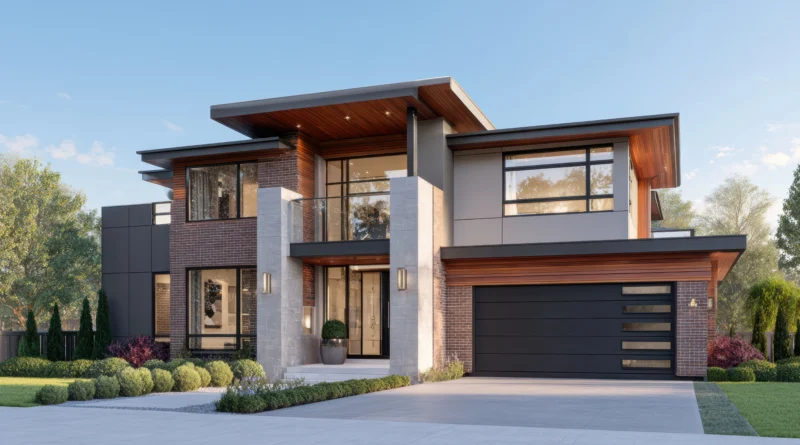
In today’s buildings, people sometimes mix up the words facade design and exterior design. But experts see them as different parts of planning and building. Facade design looks at the front face of a structure. It connects the inside to the outside world. Exterior design takes in all the outside parts. This includes stuff like walls, roofs, lights, plants, and how the building handles weather. For builders, planners, and owners, understanding how these areas work together matters a lot. It helps make things look good and work well. I remember working on a small office project once. We spent extra time on the front to match the street view. That made the whole place feel welcoming right away.
What Defines Facade Design in Modern Architecture?
Facade design goes beyond just making the front wall pretty. It mixes careful engineering with fresh ideas. This shapes how folks see the building. A smart facade shows what the building stands for. It also helps with sunlight, fresh air, and keeping temperatures steady inside.
Functional Expression Through Materials
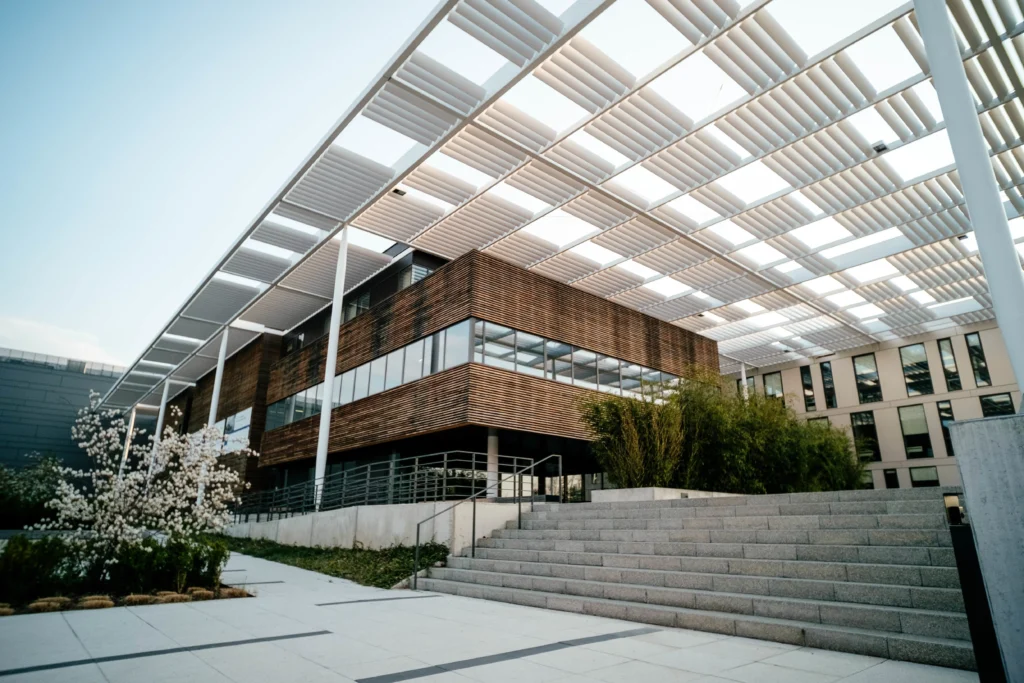
Picking materials like glass, rock, metal sheets, or mixed panels sets the tone for the facade. Take curtain walls with strong glass. They cut down on heat from the sun. At the same time, they let you see through clearly. On the other hand, screens made of punched metal add layers to the look. They manage sunlight too. The materials need to fit the local weather and save energy. This way, you get something nice to see and practical to use. In one city project, we chose local stone. It held up well against rain and gave a warm feel.
Integration With Structural Systems
Facade design ties right into the building’s bones. It works with supports that hold weight, ways to attach parts, and layers that block cold or heat. Builders use computer models in 3D to check how facade pieces handle wind or shakes from earthquakes. So, the creative side doesn’t mess with safety or how long it lasts. This teamwork keeps everything solid. Think about tall buildings in windy spots. Without this link, parts could loosen over time.
Aesthetic Communication and Identity
The facade serves as the building’s main face to the world. It shares a tale about what the place is for and where it sits. Office buildings might pick smooth glass to show openness. Museums could go for rough concrete to suggest lasting strength. This adds real meaning. It turns simple covers into parts of the community’s story. Sometimes, these choices spark talks among visitors. It’s like the building chats with passersby.
How Does Exterior Design Differ From Facade Design?
Facade design mostly handles the straight-up walls you see from afar. But exterior design covers the full outside feel. This goes from the top edges to walkways around. You could call it the big picture that links the structure to its spot.
Broader Scope of Components
Exterior design pulls in roof covers, open decks, plans for outside lights, ways to handle water runoff, and even seats in yard areas. It mixes everyday use with a nice vibe. People feel at ease and excited when they walk up or hang out outside. For example, in a park-side hotel, we added benches near the entrance. That small touch made guests linger more.
Environmental Performance Considerations
Those who plan exteriors look at how the sun hits, which way the wind blows, how much rain falls, and what plants grow nearby. They build spots that last and save resources. Things like plant-covered roofs or setups to catch rainwater fit here. These help cut energy bills over years. They also make people inside feel better. In rainy areas, good drainage stops puddles that could cause slips.
Relationship Between Building and Landscape
Facade experts stick to upright surfaces. Exterior planners team up with garden designers. They blend the hard structures into nature or city life. Paths to doors or shifts from inside halls to outside squares need good sizing. This keeps the flow smooth and balanced. One time, on a suburban home, we adjusted the path curve. It matched the hill perfectly and felt natural.
Why Is Facade Design Crucial for Energy Efficiency?
Saving energy drives many choices in building now. The facade often handles most of the swap between inside warmth and outside chill.
Passive Thermal Regulation
A top-notch facade cuts the need for machines that heat or cool. It deals with sun heat using shades or walls with two layers of glass. For example, movable strips let in light but block glare. They also let air flow on hot days. This simple setup works without much fuss. In hot climates, it can drop cooling costs by 20 percent, based on what I’ve seen in reports.
Insulation and Air Tightness
Good seals at joins stop heat from sneaking through weak spots. That’s a big leak point in structures. Steady layers of filler behind outer covers keep inside temps even. You avoid overworking air systems. Tight fits mean less drafts too. Workers on site always stress checking these during builds.
Smart Responsive Systems
New facades have built-in sensors. They tweak shades based on sun strength or how many people are around. These smart skins change on their own to match the weather. What was once fixed now reacts live. It’s like giving the building a brain for comfort. Early versions popped up in offices about five years back, and they’re catching on.
How Do Aesthetics Influence Both Facade and Exterior Design?
Planners always weigh looks against what works. A smooth match across outside parts makes the project seem polished, not jumbled.
Proportion and Rhythm in Composition
Patterns that repeat, like window sets or sheet lines, build a beat on facades. This nods to old building ways but uses new tools. Small changes in gaps can highlight key spots. It guides the eye without clutter. In a row of shops, even spacing made the street front inviting.
Texture and Light Interaction
Outer finishes play with light in varied ways as the day shifts. Shiny rock bounces bright spots. Dull concrete takes in dark areas gently. Planners use this to make surfaces come alive from morning to night. Watch a glass tower at sunset—it’s a show.
Cultural Contextualization
Looks often pull from area ways. Clay screens suit sunny seaside spots. Wood covers fit cool northern woods. This grounds new builds in local tales. It meets wide rules too. Blending old and new keeps places feeling right. Sometimes, locals love seeing their heritage in fresh designs.
What Are the Latest Trends Shaping Facade Design Today?
Tech changes keep pushing what facades can do. Now, green ideas mix with computer-made parts for exact, artful results.
Parametric Modeling for Custom Geometry
Builders turn more to math-based software like Grasshopper or Rhino. These create tricky shapes tuned for light flow or air movement. It saves time on drawings. One firm used it for a wavy front that cut wind drag by 15 percent.
Sustainable Material Innovation
Sheets from reused aluminum, plant-based mixes, and glass that makes power show green choices pair with sharp looks. They lower the carbon from making them. Plus, they last longer. In eco-projects, these cut waste and look modern.
Interactive Media Facades
LED lights tucked into covers turn buildings into moving displays. They show videos or live info. This blends building craft with tech talk. It’s fresh, not common 20 years ago. Big public spots use them to draw crowds, like event screens on city halls.
How Do You Choose Between Focusing on Facade vs Exterior Design?
The kind of job sets where to put main effort. Tall business buildings stress facade tweaks. Home areas need full outside setups that build neighbor ties.
Project Functionality Requirements
In shops or work towers, where the look from distance counts, facade details lead. It sets the brand far off. Home builds focus outside plans for daily ease. Think shaded paths or shared green spots. A community center I know put gardens first. It boosted how folks connected.
Budget Allocation Strategy
Facade parts cost more at start from special making. But they save cash later with better warmth hold. Outside plant work might spend less up front. Yet it needs steady care after. Balance both for the long run. Pros often crunch numbers early to avoid surprises.
Regulatory Compliance Factors
Area rules may limit shiny stuff near flight paths. Or they require water handling that hits outside more than fronts. Follow these to stay legal. It shapes choices without big fights later.
FAQ
Q1: What’s the main difference between facade design and exterior design?
A: Facade design focuses on the building’s front surface aesthetics and performance; exterior design encompasses all outer architectural elements including landscape integration.
Q2: Can one professional handle both disciplines effectively?
A: Yes, though large projects typically involve separate specialists collaborating closely due to differing technical scopes—structural engineers for facades; landscape architects for exteriors.
Q3: Does facade choice affect indoor comfort significantly?
A: Absolutely; material selection influences daylight quality, acoustic insulation, temperature stability, and even psychological comfort levels inside rooms adjacent to external walls.
Q4: Are interactive digital facades practical for everyday buildings?
A: They’re still niche due to cost but increasingly adopted in civic landmarks where public engagement justifies technological investment.
Q5: How early should facade strategy be decided during project planning?
A: Ideally during concept development so structural grids align seamlessly with chosen cladding modules—late adjustments often cause costly redesigns later in construction phases.