
Can Art Deco Buildings Inspire The Neo-Deco Movement Of 2026
How Can Art Deco Architecture Influence the Neo-Deco Movement of 2026?
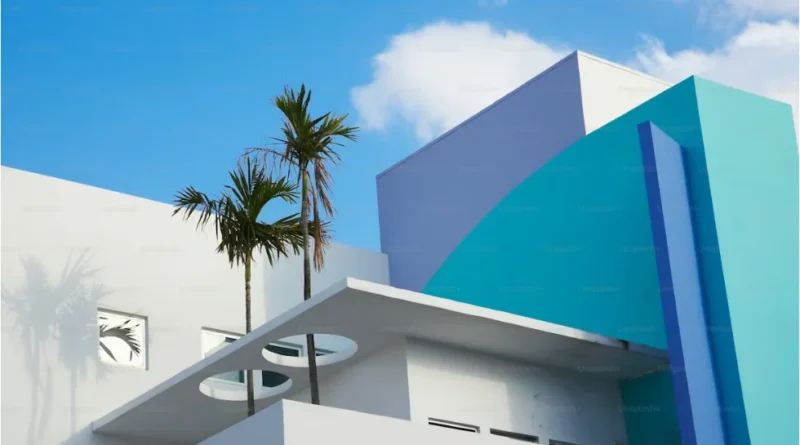
The Neo-Deco movement in 2026 brings back the splendor and hope from early 1900s art deco buildings. It mixes their fancy shapes with today’s green practices and tech. Cities keep changing. So, builders are finding ways to use Art Deco’s exact lines and steady flow. This helps form a fresh city look. It’s part old memories and part new ideas. Think about how a building in Miami might nod to the old styles but add solar panels that fit right in. That kind of thing makes the whole scene more lively.
Revival of Geometric Precision and Ornamentation
Art Deco’s shape designs—like sun rays, zigzag lines, and V-shapes—came from a sense of order and growth. In Neo-Deco, these come back. But they act as real building plans now, not just pretty add-ons. You could spot sloped fronts that call to mind the top of the Chrysler Building. Or even lines going up that repeat through easy-to-assemble glass parts. Today’s creators use even balance to bring peace in busy city spots. They keep that fine mix of fancy touches and clear lines from the 1920s. It’s like how a simple hotel lobby uses these patterns to feel welcoming without clutter.
Integration of Modern Materials and Technologies
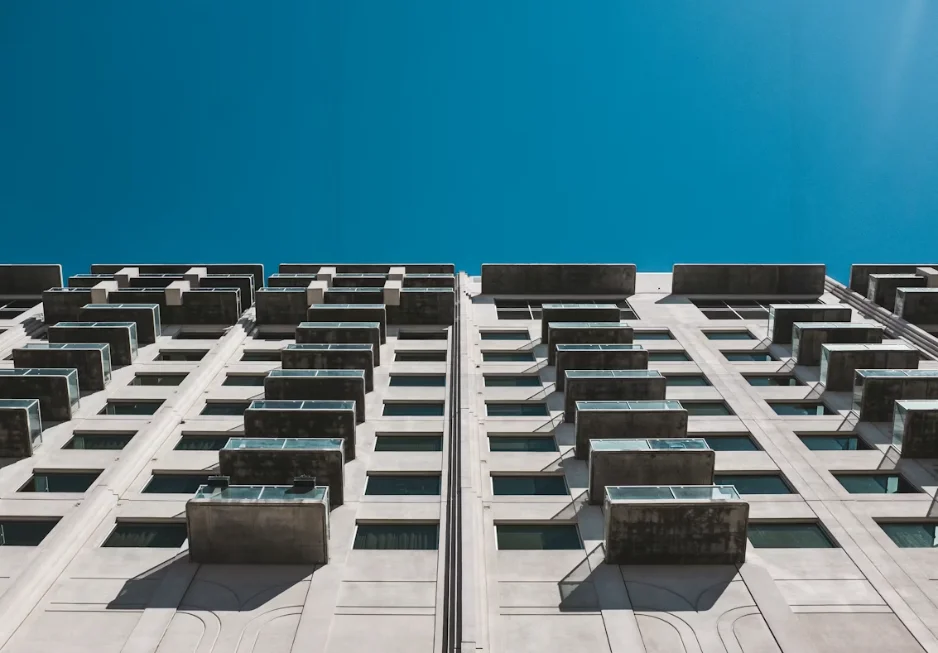
Neo-Deco grows the choice of stuff to use. It keeps the shiny appeal, though. New glass mixes, reused brass, and smooth concrete take the place of hard-to-get stones or special woods. They give the same deep look. With 3D printing, detailed carvings that workers once did by hand get made with tiny exactness. Tools for shaping designs let repeating shapes change based on weather info or sun paths. Lights that save power highlight the pretty edges at dark. This turns building sides into moving pictures, not just still shapes. For example, a tower in New York might light up its zigzags to match the evening sky, saving energy all the while.
Reinterpretation of Historical Aesthetics in a Contemporary Context
Neo-Deco goes past looks. It picks up Art Deco’s feeling too—its trust in moving ahead. Builders today change this hope into plans that honor different cultures or online links. They do this instead of just machine strength. The style links old fondness with new ideas. It speaks to people who love history and want things to keep going. At the same time, it draws in those who like future shapes that stand out. So, Neo-Deco is more than a comeback. It’s a talk between times about what fancy living and who we are mean in a connected place. Sometimes, I wonder if this could help bridge gaps in divided neighborhoods.
What Design Principles From the 1920s Remain Relevant Today?
A lot of ideas from the bright time of art deco buildings still matter in today’s building thoughts. The push for big size, match between shape and use, and care for skilled work keep leading big projects now. It’s interesting how these old rules fit so well with our fast world.
Emphasis on Verticality and Monumentality
The upward pull that marked old Art Deco tall buildings still stands for reaching high. New high-rises copy this with steps that cut back to handle wind better. They also point to places like Rockefeller Center. Big feel today is not only about how large it is. It’s about how it shows up—a structure that shares city joy or tech skill without taking over the area around it. Take the Empire State Building’s influence; modern ones slim down but keep that proud lift.
Harmonization of Form and Function
Art Deco always tied beauty to how things work. Smooth fancy bits cut down air push on first big ships and plane-like fronts. That idea pushes green building now. Shape follows smart use but doesn’t drop style. When parts show the building’s strength—like metal lines following weight routes—it respects Deco’s way of making work easy to see. In practice, this means a office block where windows align for light and look good too.
Celebration of Craftsmanship in Industrial Production
The machine time made creators mix factory making with real skill. Neo-Deco brings back that chat through computer building. Machines like cutters or lasers copy hand work’s sharpness. They allow changes for each piece in big numbers. Blended skill—tools form shapes, then people finish them—brings back touch feel without losing big-scale ease. It’s like how a workshop in Chicago uses robots for bases but artists for the final polish, keeping costs down around 20%.
In What Ways Can Urban Environments Benefit From Neo-Deco Principles?
Cities with same-old skylines can find their own style again through Neo-Deco ways of thinking. By joining fancy bits with green care, builders make spots that feel people-focused and kind to nature. This could really help places like old downtowns wake up.
Enhancement of Cultural Identity Through Architecture
Neo-Deco gives words for showing local flavor in world cities. Shapes from area fabrics or old tales can turn into side patterns. This links folks to their spot while pulling in visitors from afar. It brings back city pride to packed areas full of plain glass walls. For instance, a project in London might weave in local flower designs, making the street feel more like home.
Promotion of Human-Centered Urban Spaces
Fancy surfaces pull at feelings. They make hard city spots softer where people want touch and tales. Open squares with pretty fronts push people to chat. This happens not just by what works but by the air it sets. Lights bouncing off metal bits make warmth in stone places. Imagine kids playing near a lit-up archway; it turns a plain park into a spot for stories.
Contribution to Sustainable Urban Regeneration
Using old buildings again is key to good Neo-Deco work. Fixing up past art deco buildings cuts down hidden pollution. It keeps culture stories alive. New adds in spots that match old sizes respect the area. Yet they meet today’s rules for power use. This shows how nice looks and green ways can live together easy. In cities like Detroit, this has revived blocks with 30% less waste.
How Can Interior Design Reflect the Neo-Deco Revival?
Inside these places, rooms take Deco’s shine through today’s tastes—rich but right, shaped but smooth.
Use of Luxurious Yet Sustainable Materials
Stuff like floor mixes with reused bits or brass from old metal match wealth with care. Shiny coats add glow without too much. Touch feel stays key. That’s because sides talk quality more straight than extra bits ever could. A home in Paris might use this for counters that last years and look great.
Geometric Patterns in Contemporary Spatial Layouts
Even match still rules room flow. But it fits changing life ways—moveable chairs line up on main lines. Bold floor designs hold simple rooms steady. Repeating over walls, floors, and tops links room setup to outside shapes. This keeps everything tied, like in a cafe where patterns guide your eye from door to seat.
Integration of Digital Aesthetics With Classical Motifs
Light boards copy colored glass looks. They use set light changes that shift warmth over the day. Wall throws turn still carvings into moving tales that answer steps or sounds. It’s a nice mix where old shapes meet new stories. Picture a gallery where lights dance with the art, making visits more fun.
Why Does the Neo-Deco Movement Appeal to Contemporary Designers?
For creators tired of plain simple styles, Neo-Deco gives heart pull—a shot to make areas that seem full of life once more. It’s like a breath of fresh air in a stuffy room.
Desire for Emotional Resonance in Modern Architecture
After years ruled by use-only ways, folks want story bits again. Fancy turns into feeling base. It pulls interest and bond instead of just looking. In busy times, this matters a lot.
Search for Symbolic Continuity Across Eras
Neo-Deco links computer skill with old ways. It shows new ideas don’t need to wipe out past. Each build is part fix-up, part fresh start. It’s a path to keep group memories in sight amid big shifts. This continuity feels reassuring, especially in fast-changing spots like Tokyo.
Alignment With Post-Digital Aesthetic Trends
In a time full of screens, touch stuff gains back value. Creators mix hand-made feels with number models for outcomes that please sight and touch. It’s a mix of sharp bits and person flaws that’s hard to get other places. Add in real-world tests, like feeling a brass handle after a virtual tour, and it clicks.
How Might Technology Shape the Future Expression of Neo-Deco?
Tech doesn’t swap out art here. It widens what it can say. This lets hard details happen at big building sizes that were once out of reach.
Computational Design as a Tool for Ornament Innovation
Number plans make new takes on old shapes. They react to sun or air flow facts. Shape tools let sides change details based on world input. Fancy bits get formed by weather smarts, not just random lines. This could mean a building in hot spots that shades itself smartly.
Smart Materials Enhancing Decorative Performance
Coats that change shine at day parts. Built-in watchers let sides move with heat or people near. Upkeep falls. Looks stay fresh—a clever step from Deco’s love of light on metal or glass. In rainy cities, this keeps facades clean without extra work.
Virtual Reality as a Medium for Experiential Design
Before building starts, fake world spots let groups walk mock-ups. They check size and light play right there. This deep way brings back Art Deco’s show spirit in today’s steps. Team work happens in shared fake space, not just paper sketches. It’s saved projects time, cutting errors by half in some cases.
Can the Neo-Deco Movement Redefine Architectural Luxury in 2026?
Wealth in building moves from too much to real sense. Neo-Deco fits right at that spot between old ways and new sparks.
Luxury as Cultural Expression Rather Than Excess
True class now is in tales: stuff picked for its roots, bits made by area workers not far-off show. Realness beats shine. Skill turns into story money that sets today’s high-end building.
Balance Between Heritage Preservation and Innovation
Projects that use old shells again show this pair. Past outsides get new life through strong tech. They last longer than most fresh builds. Mixing fix craft with top systems shows right wealth that matches green wants from buyers around the world. It’s practical, too—think of a hotel that cuts bills by reusing old walls.
Influence on Global Design Trends
As world notice grows—from Miami’s fresh shore towers to Shanghai’s number-shaped sides—the way fits past Jazz Age shine spots. Its words change through culture swaps. Yet it holds its core: shapes as poems made in rock, iron, or numbers. This spread might even touch small towns, giving them a global feel without big costs.
FAQ
Q1: What defines Neo-Deco architecture?
A: It fuses Art Deco geometry with modern materials like glass composites and digital fabrication methods while emphasizing sustainability and emotion over pure ornamentation.
Q2: How does technology support Neo-Deco design?
A: Computational tools generate adaptive patterns; smart materials respond to environmental conditions; VR aids collaborative visualization before construction begins.
Q3: Why are art deco buildings relevant again?
A: Their timeless mix of order, optimism, and craftsmanship offers lessons for creating expressive yet efficient urban architecture today.
Q4: How does Neo-Deco contribute to sustainable cities?
A: By encouraging adaptive reuse of historic structures and integrating energy-efficient systems within decorative frameworks that respect cultural context.
Q5: What makes Neo-Deco luxurious without being excessive?
A: Its focus on authenticity—handcrafted detail paired with advanced engineering—redefines luxury as cultural expression rooted in meaning rather than material excess.