
What Is Green Architecture And Why Is It The Future
Green architecture is no longer just a trendy term. It has turned into a key driver in the way cities, businesses, and people at home view the world they build. With climate change, shrinking resources, and more folks crowding into cities, smart building choices are a must now. This piece looks at how green architecture is changing building practices. It also explains why it counts for folks like you who work in design, engineering, or planning for the environment. I remember reading about a small town in Europe that switched to these methods, and it really cut down their energy bills—kind of inspiring, right?
What Defines Green Architecture?
Let’s start by figuring out what really makes architecture green. The idea goes further than just saving energy. It is about making buildings that fit right in with nature instead of harming it.
Sustainable Building Materials
Buildings that are green usually use stuff that grows back fast, comes from recycled items, or gets pulled from nearby spots. Think of bamboo for floors, old wood for beams, and concrete with less carbon. These choices cut down on pollution from shipping things around. They also keep waste low when making them. Take bamboo, for example. It shoots up quick—sometimes three feet a day in certain types. So, it beats out slow-growing trees that need years to get big.
Energy Efficiency and Passive Design
Using energy is still a big headache in today’s building world. But passive ways help control heat inside without big machines doing all the work. Things like fresh air flowing naturally, light from the sun, and walls that hold warmth keep things comfy. And according to the U.S. Department of Energy in 2022, these solar tricks can slash heating bills by as much as 40%. It’s like letting the sun do the job for free most days.
Integration with Nature
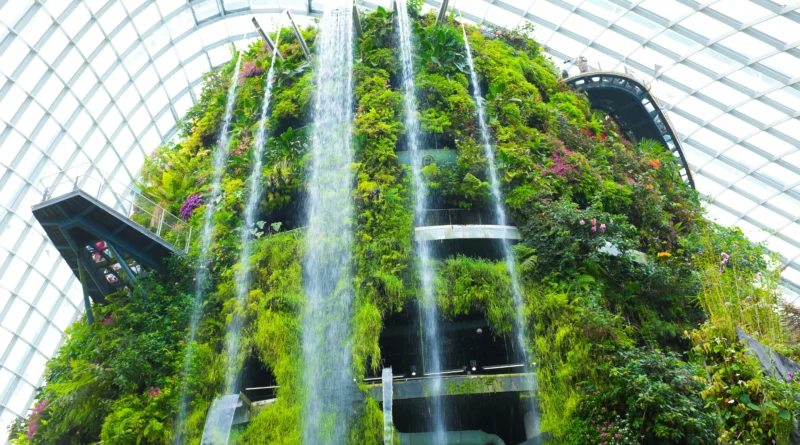
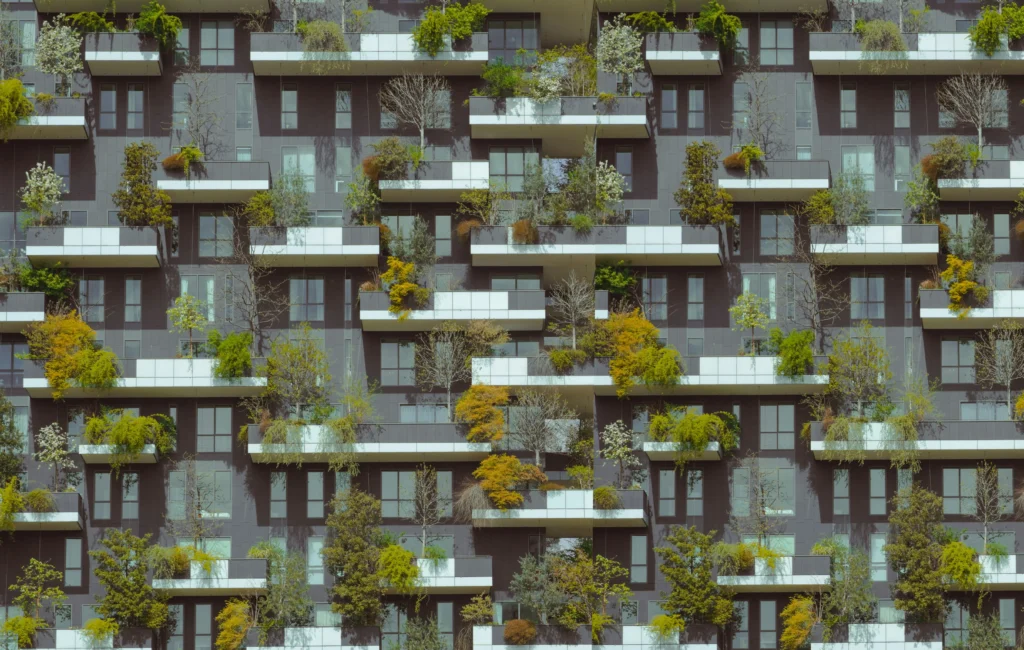
Green architecture pushes for buildings to blend with the wild around them. Roofs with plants on top keep heat out and catch rain to stop floods. Walls with gardens clean the air and make city spots nicer to breathe in. Look at Singapore’s “Gardens by the Bay.” It shows how big city designs can mix with plants in a cool way. Sometimes I think about how that place feels like a park inside a city—pretty neat.
How Does Green Architecture Reduce Environmental Impact?
The building field causes about 40% of the world’s carbon pollution, based on UN Environment Programme data from 2019. Green architecture wants to fix that. It does so by thinking anew about how to plan and run buildings from start to end.
Lower Carbon Footprint
A big aim is to drop the carbon tied up in materials—the pollution from making and moving them. Swapping in things like fly ash or slag for regular cement can trim CO₂ by 30%. Plus, building parts in factories off-site with exact fits cuts down on trash. In one project I heard about in California, they reused old factory parts, and it saved tons of waste.
Efficient Water Management
Over two billion people deal with water shortages, per the WHO/UNICEF Joint Monitoring Programme in 2021. Green spots catch rain and reuse dirty water to save fresh supplies. Many LEED projects have pipes that send cleaned wastewater to plants or toilets. It’s simple but smart—turns what you’d throw away into something useful.
Waste Reduction During Construction
Old-school building throws out up to 30% of its stuff. Green ones recycle junk right there on the job. They also plan so parts can come apart later for reuse. This loop keeps things going longer and piles less into dumps. Imagine a site where almost nothing goes to waste—that’s the goal.
Why Is Green Architecture Economically Viable?
Some say eco-friendly building costs a bundle at first. But real numbers over time show a different picture. When you add in day-to-day savings, these buildings often make more money than regular ones.
Reduced Operating Costs
Systems that save energy trim those monthly power checks a lot. McKinsey & Company noted in 2020 that firms fixing up old places for green ways get their money back in five to seven years. Just from cheaper energy. It’s like an investment that pays off steady.
Increased Property Value
People who buy or rent like green spots more these days. A CBRE study from 2021 says LEED offices get up to 8% higher rent. This proves green isn’t only good for the planet. It also fills pockets.
Access to Incentives and Funding
Around the world, leaders give tax cuts or money help for green building. In the U.S., the Inflation Reduction Act from 2022 hands out credits for adding solar to business spots. It shows green fits right into money plans from the top.
How Does Technology Support Green Architecture?
Tech is a big helper in pushing green ideas from drawing board to daily use.
Smart Building Systems
Sensors hooked to the internet watch energy right as it happens. They let you tweak things to stop waste. Just smart controls for heat and air can cut use by 10 to 15%, says Energy Star in 2023. Picture your home adjusting itself to save power without you lifting a finger.
Renewable Energy Integration
Solar sheets and wind machines are now common in new green plans. Net-zero spots make as much power as they use each year. They pair these with storage batteries. One office building in Texas went fully solar, and now it runs off-grid half the time—impressive stuff.
Advanced Simulation Tools
Designers use computer programs like Autodesk Revit or Rhino Grasshopper. These let them test sun paths, air flows, and how stuff holds up before building starts. Such guesses help make things better and skip pricey fixes later. It’s like a video game for buildings, but way more useful.
What Are the Social Benefits of Green Architecture?
Being green helps the earth, sure. But it also boosts how people feel and how towns hold up.
Healthier Indoor Environments
Bad air inside leads to coughs and tiredness for those living there. Green designs pick safe paints, let air move naturally, and clean it with filters. This keeps bad gases low. In schools with these setups, kids miss fewer days from sickness—real difference.
Community Engagement
Adding parks for everyone builds ties between neighbors and lifts moods. City homes with green areas get folks outside more. They also cool down hot concrete jungles. Think of a neighborhood block with shared gardens; it turns strangers into friends.
Resilience Against Climate Change
Building tough means getting ready for wild weather like big rains or hot spells. Raised bases, soak-up sidewalks, and shade covers let places bounce back easy. After a storm in Florida, green homes stood strong while others flooded—proof it works.
What Challenges Does Green Architecture Face Today?
Things are moving forward. Yet, hurdles still block green ways from taking over everywhere.
High Initial Investment Perception
Lots of builders think green means big bucks upfront for special stuff or badges like BREEAM or LEED. But looking at full costs over years shows big saves versus normal builds. It’s a common mix-up, but numbers don’t lie.
Limited Skilled Workforce
Moving to green needs planners and fixers who know nature basics. World Green Building Council reports from 2022 point out a worldwide shortage of such experts. Training programs are popping up, though—slow but steady.
Regulatory Inconsistencies
Rules for buildings differ a ton by place. Some spots have no real green guides at all. Same rules across lands would speed things up for teams working in many areas. Until then, it’s a patchwork.
Why Is Green Architecture Considered the Future?
The push for green comes from real needs, plus fresh ideas. Towns have to change fast or deal with worse nature problems.
Urbanization Trends Demand Sustainability
By 2050, about 70% of people will pack into cities, says UN-Habitat. Without green planning now, those places could turn unlivable from dirt and empty supplies. Cities like Copenhagen are already leading with bike paths and green roofs—setting examples.
Corporate ESG Commitments Drive Change
Big companies link their building picks to green goals in ESG plans. Eco offices hit low-emission marks. They also draw workers and backers who care about the planet. It’s smart business, really.
Cultural Shift Toward Responsibility
Shoppers now link green living to better days, not less fun. From earth-friendly stays to homes that make their own power, wants show green is going main street. It’s like a big change in how we see homes—not fancy, but right.
FAQ
Q1: What distinguishes green architecture from traditional building design?
A: It aims to cut harm to nature. This happens through picks for materials, steps for saving energy, setups for saving water, and blending with nearby wild spots. It does not just chase looks.
Q2: Are green buildings more expensive than conventional ones?
A: Upfront prices might climb a bit from special items or badges. Yet, savings in running costs make up for it in a few years. Bills for power and upkeep drop a lot.
Q3: How does green architecture contribute to human health?
A: It betters air inside with safe stuff and fresh flows. These cut down on bad bits in the air that hurt lungs in regular builds.
Q4: Can existing structures be converted into green buildings?
A: Sure. You can add good lights, better wall stuff, sun power, or water reuse to old places. This boosts green scores without tearing down everything.
Q5: What role do governments play in promoting green architecture?
A: Lots give tax breaks or rules to push builders toward green ways. These match big plans like the Paris Agreement from 2015 for fighting climate woes.