
Why Choose Terracotta Facade for Modern Buildings
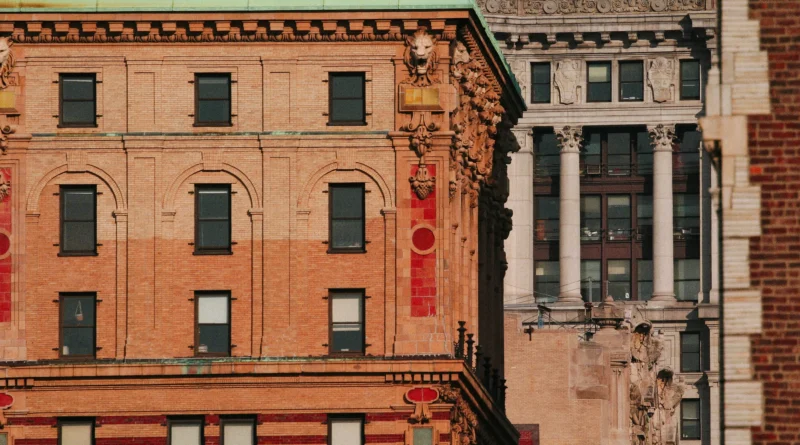
Terracotta facades are making a strong comeback in today’s architecture. Their rough texture, range of colors, and strong build make them a smart pick for architects who want good function and nice looks. In new projects, terracotta cladding is not just for old-style buildings anymore. It has grown into a flexible material that pairs well with glass, metal, and concrete. This piece looks at why experts are picking terracotta facades more often for modern buildings. It also shows how this material fits with green and forward-thinking building trends.
What Makes Terracotta Facade a Preferred Material?
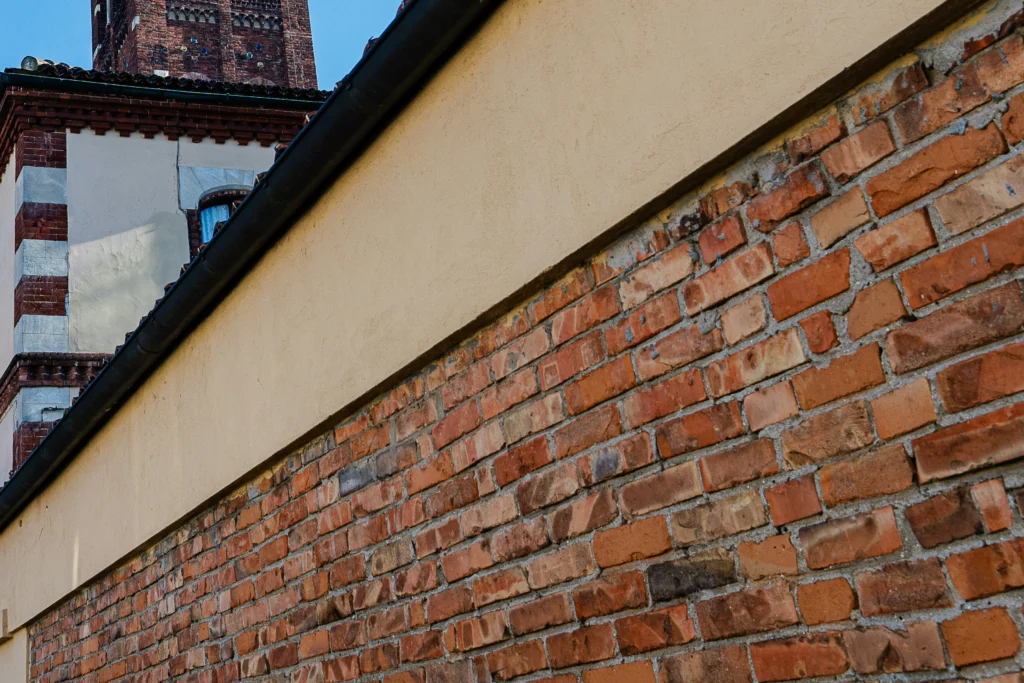
Terracotta facade systems mix old skills with new tech. They use baked clay panels that you can change in color, shape, and surface. The end product is a building cover that guards well. Plus, it boosts the building’s unique style.
Natural Material with Timeless Appeal
Terracotta’s warm shades and touchable feel link buildings to the world around them. Since it comes from nature, it has a real charm that fake options usually miss. In city spots full of steel and glass, terracotta adds a cozy touch and a more human size. For instance, think of a tall office tower in a busy downtown. The terracotta bits soften the cold metal look, making the place feel welcoming even on gray days.
Durability and Weather Resistance
Baked at very high heat, terracotta panels fight off color loss, rust, and ice harm. They hold their shape even in tough weather. Many makers of facades say these last over 50 years. And that is with little upkeep if you set them up right. In places like rainy Seattle or sunny Arizona, builders see how these panels stand up without much trouble over time.
Design Flexibility
New ways to make them let terracotta panels come out straight or shaped in many forms. Architects can pick dull or shiny finishes. They can choose up-and-down or side-to-side setups. And they can use different ways to attach them. All this gives special sights without losing strength. One project I recall had wavy panels that caught the light just so, turning a plain wall into something eye-catching.
How Does Terracotta Facade Contribute to Sustainability?
Green goals now lead choices for materials in fresh buildings. Terracotta’s makeup and long use match well with standards like LEED or BREEAM.
Environmentally Friendly Composition
Terracotta comes mostly from local clay in many areas. Making it takes less power than metal covers like aluminum or steel. When you take it down, you can recycle the panels or break them for use in fills. It’s simple stuff, really, and helps cut down on waste in big builds.
Energy Efficiency through Thermal Regulation
Terracotta’s heat-holding power keeps inside temps steady. It soaks up warmth in the day and lets it out slow at night. This cuts the need for machines to cool or warm the air. So, the whole building uses less power. In hot spots like Texas summers, this can save a ton on bills, based on what some builders share from real jobs.
Low Maintenance Lifecycle
Painted walls need fresh coats often. But terracotta keeps its shade on its own, no chemicals needed. Over many years, the fix-up costs stay small next to other covers that rust or fade in the sun. It’s like having a set-it-and-forget-it outer layer that just works.
Why Is Terracotta Facade Suitable for Modern Architectural Styles?
Today’s building designs focus on straight lines and bold shapes. Terracotta facades fit right in. They keep things real at the same time.
Compatibility with Other Materials
Terracotta goes well with glass walls or metal sheets. This mix makes lively outer looks. Warm clay feels stand out against shiny parts. You see this in many public and shop buildings in Europe and Asia. Take a look at that new museum in Berlin; the terracotta next to the glass makes the whole thing pop without clashing.
Customizable Aesthetic Options
Makers today give tech for glazing that lets you pick exact color fades or designs on terracotta. Architects can copy stone looks or make strong new styles with special colors. It’s not perfect every time—sometimes the firing adds a tiny surprise shade—but that just adds character.
Adaptation to Complex Geometries
New push-out methods make bent or hole-filled terracotta pieces. These follow tricky building curves. Tools for shaping models help fit them into 3D outer setups without a hitch. In curvy high-rises, like those in Dubai, this lets wild ideas come to life smoothly.
What Are the Performance Advantages of Terracotta Facade Systems?
How well a facade works matters a lot. It ties to comfort, safety, and running costs over a building’s years.
Fire Resistance
Terracotta is baked over 1000°C, so it’s not burnable. As a non-living thing, it follows strict fire rules around the world. It does not give off bad gases in big heat. This beats plastic-based covers hands down. In crowded cities, where safety is key, this peace of mind is huge.
Acoustic Insulation Properties
In air-flow facade setups, terracotta panels help block sound. They quiet down noise from outside. This helps buildings by roads or in loud city cores. Folks in apartments near traffic swear by how much quieter it gets inside.
Structural Stability
Smart hold-up systems lock terracotta in place. They also let air move behind the panels. This stops water build-up. It cuts heat strain on the build over time. No big worries there, as long as you plan it out from the start.
How Does Terracotta Façade Enhance Building Value?
More than just numbers, outer materials shape how people see a place. They also help keep value up long-term.
Enhanced Visual Identity
A smart terracotta outer layer turns into a building’s mark. It sets the spot apart in its area. Builders like to show off these in ads. They signal top work and lasting strength. Sometimes, it even draws more visitors just because it looks that good.
Long-Term Cost Efficiency
Up-front setup might run higher than light picks. But low fix needs make up for it over years. This works well for school or office builds. In one case, a university saved thousands in upkeep after 20 years, per their reports.
Contribution to Certification Credits
With stuff you can reuse and power savings, terracotta helps score in green checks. Like LEED v4 in spots for materials and energy. It’s a straightforward win for teams chasing those badges.
What Challenges Exist When Implementing Terracotta Facades?
For all the pluses, putting up terracotta outers needs good thought in plan and build stages. It’s not always smooth sailing.
Weight Considerations
Terracotta panels weigh more than aluminum mixes. So, structure pros must check load strength early. This avoids fix-ups on site later. In older spots, you might need extra checks to be safe.
Installation Complexity
You have to line up panel joins just right. Wrong spots hurt the look and water hold. Teams who know the fix methods are a must for even work. Rushing this can lead to small leaks, though rare with good crews.
Cost Factors
Prices dropped thanks to machine making. But top shiny finishes cost extra over plain ones like fiber cement. Still, for big projects, it often pays off in the end.
FAQ
Q1: What is the typical lifespan of a terracotta facade?
A: If you install terracotta facades the right way, they can go over 50 years. And that comes with little upkeep. This is thanks to how they stand up to weather and sun.
Q2: Can terracotta facades be used in cold climates?
A: Yes. Fired clay holds up to freeze-thaw well. This works when made right under rules like EN 14411. In places like Canada, they use it without issues.
Q3: Are there lightweight versions available for renovation projects?
A: Yes, many makers offer thin pushed-out tiles on aluminum frames. These fit old buildings. You don’t need big structure boosts. It’s great for updates without full tears.
Q4: How do architects control color consistency across large façades?
A: They use controlled batch baking for steady shades. But small changes happen. And folks often like that as part of the real clay charm. It keeps things from looking too flat.
Q5: Does using a ventilated system improve performance?
A: Yes. Air-flow setups help manage water by letting breeze move behind. This boosts inside comfort all year. Plus, it keeps things dry and cool naturally.