
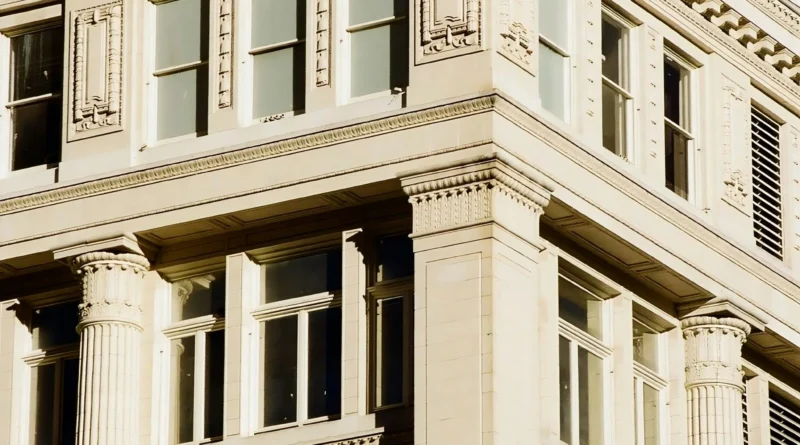
Are Classic Building Styles Making a Comeback
Building trends in architecture go in circles. Lately, folks notice a clear pull back to the grace of old building looks. Think about neoclassical fronts or art deco comebacks. Builders and planners bring these old looks into today’s world. This change is not just about missing the past. It ties into a sense of who we are as people, goals for the planet, and a want for beauty that lasts in city spots. I remember walking through old neighborhoods and feeling that cozy pull—it’s like the buildings whisper stories from long ago.
Why Are Traditional Architectural Forms Returning?
In cities around the globe, people show fresh interest in designs from the past. Builders mix old shapes with new stuff. This makes buildings that seem forever fresh and fitting for now. The reasons for this comeback have many sides. Some are about feelings. Others are about real-world needs. For instance, take a stroll in downtown areas; you might spot a new shop with columns that nod to history, blending the old with the everyday rush.
Cultural Continuity and Identity
Old building looks often act as strong ties to the past. When fresh buildings show hints of local stories, they help a city feel more rooted. Take London and Paris as examples. Planners there push for fronts that match designs from the 1800s. But inside, they add new tech. This kind of link tells folks that moving forward does not wipe out old memories. Instead, it adds to them. It’s heartwarming to see how these choices keep communities close-knit, like family heirlooms passed down.
Desire for Timeless Aesthetics
Those plain glass high-rises once stood for new times. But now, city people often want something warmer with more details. You see columns, arches, and edges coming back. They add a layer of visual fun that’s gone from simple modern builds. This draw also means better prices for homes. Buyers think old-style outsides look more classy or built to last. Compared to plain new ones, they feel special. In my view, it’s like choosing a storybook house over a blank box—more charm every day.
Reaction to Uniform Modernism
For years, plain useful designs filled city skies. Critics say this made places look all the same. Now, old shapes come back as a stand against that sameness. Builders bring back unique local touches. Picture balconies in sunny southern Europe spots or porches in warm Southeast Asia areas. This brings back what global changes took away. Cities gain their own flavor again. It’s a quiet rebellion, making each street feel one-of-a-kind rather than cookie-cutter.
How Do Modern Materials Support Classic Design Revival?
Bringing back old styles does not mean going back to old ways of building. Today’s builders use smart stuff to redo past looks in smart, green ways. They make it work without the old hassles.
Integration of New Technologies
New building tricks let people make light fronts that look like rock or smooth coats. But they work better for heat and strength. Ready-made panels copy fine details that workers once carved by hand. And they cost way less and take less time. This smart mix makes fancy old looks doable for big projects. Imagine a whole block of homes going up fast, yet looking like they stood for ages—tech makes the magic happen.
Sustainable Material Choices
Being kind to the earth plays a big part in this comeback. And it’s surprising how. Used bricks, stones from old spots mixed new, and natural coats fit green rules. They keep the real look too. Many fix-up jobs use stuff from the original builds. This cuts down on new making, which saves carbon—way better than starting from scratch (source: World Green Building Council 2023). In one project I heard about, they reused 80% of the old stone, slashing waste and bills.
Blending Old Forms with Smart Systems
Under those old fronts hide top-notch setups. Think glass that saves energy tucked behind lines or lights that think for themselves in edges. The outside stays charming like history. But inside, it matches what we need today. This mix makes old fans happy. It also suits builders who care about running costs. It’s practical poetry—beauty that pays off in lower energy use over time.
What Role Does Urban Policy Play in This Trend?
Rules from leaders and city plans shape how buildings look a lot. This is true in spots saved for history or areas getting a fresh start. Policies nudge things toward the past without forcing it.
Heritage Protection Regulations
Lots of cities have rules to keep fronts in old areas. New builds there must match the street’s feel. In Rome or Kyoto, tough rules set height caps and stuff choices to fit old looks. This means even new spots must keep the classic flow. It’s like a gentle guard, ensuring the neighborhood doesn’t lose its soul amid growth.
Incentives for Restoration Projects
Tax breaks or money help push for fixing old places over tearing them down. By saving what’s there, builders keep skills that are hard to match now. They hit green goals too, with less trash (U.S. National Trust for Historic Preservation data 2022). One developer shared how a grant covered half the cost for a factory turn into lofts—smart savings all around.
Planning Guidelines Encouraging Contextual Design
City rules now stress fitting in over standing out wild. Builders get told to look at nearby spots for beat and size. This idea comes from old thinkers like Vitruvius. But it works great in busy towns today. It keeps things balanced, like pieces in a puzzle that just click.
Are Classic Building Styles Compatible with Modern Lifestyles?
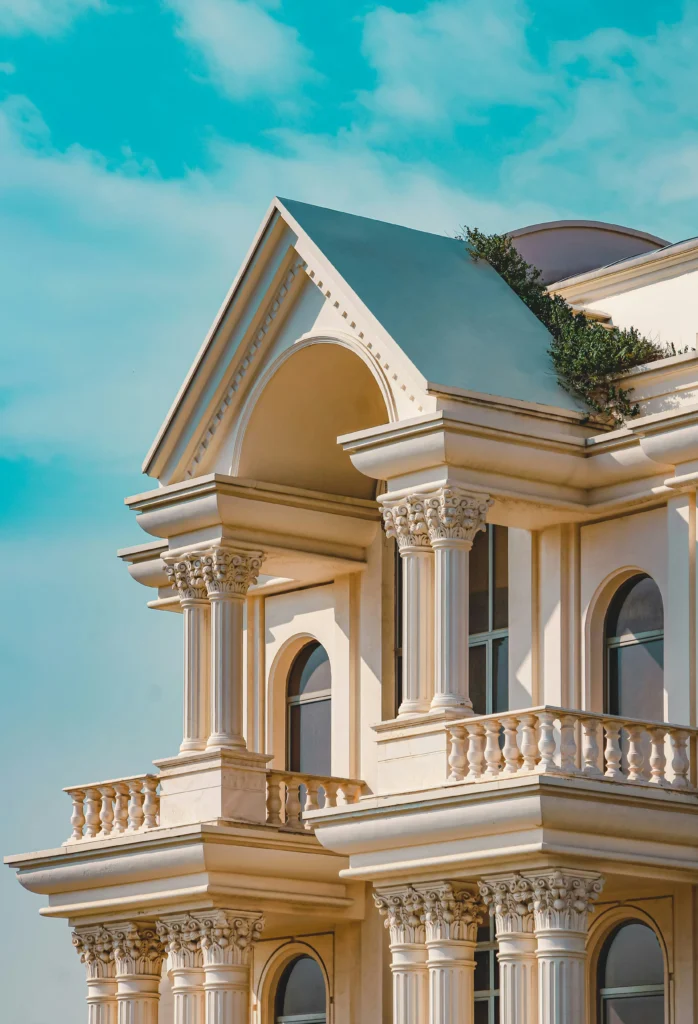
You might think fancy outsides clash with how we live now. But smart room setups prove that’s not true. Old shells can hide insides that fit our fast, tech-filled days just fine. And it often feels more homey that way.
Functional Interior Adaptations
Behind even fronts sit open spaces that folks love today. Strong metal frames let rooms stretch wide without posts inside. This keeps the outside neat and balanced, like classic order. Inside, it’s free and open. It’s a neat pair—strict look out, easy flow in. Families with kids find it perfect for play and work in one spot.
Integration of Smart Home Technologies
Sensors for lights or air control slip right into old trim or patterned roofs without a trace. So, people get tech ease but keep the old charm. This setup grows popular with fancy home buyers everywhere (Knight Frank Global Luxury Report 2023). Picture flipping a switch via phone while sipping coffee under a vintage ceiling—cozy and clever.
Mixed‑Use Redevelopment Examples
Old storage spots turned into small hotels show the way. Or town halls into shared work areas. They fit new jobs when fixed with add-on systems under the kept details. It’s smooth change. One spot in a city I visited went from empty mill to buzzing cafe hub—folks love the mix of history and hustle.
How Does Public Perception Influence Architectural Revival?
Buildings serve everyday people in the end. What they like drives what gets built, just as much as what experts think. Opinions from the crowd shape the market in real ways.
Emotional Resonance of Familiar Forms
People feel a natural pull to balanced shapes in old builds. The golden ratio shows up in nature and man-made spots. This might be why they still feel good after ages (University College London study 2019). It’s like an old friend—comforting without trying too hard. Even kids draw houses with peaks and doors that echo this.
Influence of Media and Popular Culture
Movies in old-time sets make big looks from back then seem dreamy. Social apps spread those pictures wide. This sparks folks to redo homes in old styles or add fronts that look real. It’s big on design pages since the 2020s kickoff, as noted in Architectural Digest (2023). Scroll through feeds, and you’ll see backyard patios mimicking grand estates—trendy yet timeless.
Real Estate Market Preferences
Builders watch what buyers want close. Polls show homes called “heritage inspired” fetch higher prices than plain ones nearby (Savills Market Insight Q4 2023). How people think pushes more cash into old-influenced spots. From art deco spots in Miami Beach to fix-ups in Shanghai’s French Concession, each mixes old feels with fresh twists. This keeps the wheel turning, with demand strong year after year. In tough markets, these homes sell faster, often 20% above average.
What Challenges Could Limit the Longevity of This Revival?
Right now, excitement is high. But some real hurdles might slow this old-style push in years to come. It’s not all smooth sailing, and that’s okay—trends evolve.
Cost Implications of Detailed Craftsmanship
Even with quick-make tricks, fine work bumps up worker costs. It’s more than plain walls on tall builds. Small teams might not afford it unless perks like brand boosts or rule breaks for history help out. Budgets tighten fast on details like hand-laid tiles, which can add 15-20% to totals.
Regulatory Complexities Across Jurisdictions
Getting okay from history keepers slows things down a bunch. This happens where different groups watch old treasures. Rules differ by town, making plans iffy. It scares off money folks from bold ideas, even if crowds cheer. One builder waited 18 months just for approvals—frustrating but necessary.
Balancing Authenticity Versus Pastiche Risk
Watchers warn against fake copies without real ties. Slapping on pillars without right sizes kills trust. It turns good tries into cheap knockoffs. Smart changes, not just copies, matter if this stays strong past quick fads. Authenticity wins hearts; fakes fade fast. Think of it as cooking with real spices versus imitation— the difference shows.
FAQ
Q1: What defines a classic building style?
A: It usually means building ways that focus on even sides, good sizes, nice touches, and strong stuff like rock or bricks. These come from old Greek and Roman ideas, changed in times like the Renaissance or Georgian days. Simple shapes that stand the test of time.
Q2: Why are people drawn back to these styles today?
A: Lots seek a warm link through known shapes that feel steady in our quick tech world. They like the hand work missing from plain builds of late years. It’s a hug from the past in busy lives.
Q3: Can sustainable design coexist with traditional aesthetics?
A: Sure. New warmth setups hide in stone walls. Plus, reused stuff lets save energy without changing the outside look. This matches earth care with old draw. Green and grand together.
Q4: Which global cities showcase this comeback most visibly?
A: Look at London’s new blocks in Georgian style. New York fixes art deco on Fifth Avenue paths. Shanghai reuses old colony fronts with tech insides. Clear spots where old meets new boldly.
Q5: Will this trend replace modernism entirely?
A: Not likely. Instead, wait for them to live side by side. Plain new styles share room with brought-back old ones. Each fits different buyers. All chase good, lasting looks in changing city views worldwide. It’s a mix that keeps things fresh.