
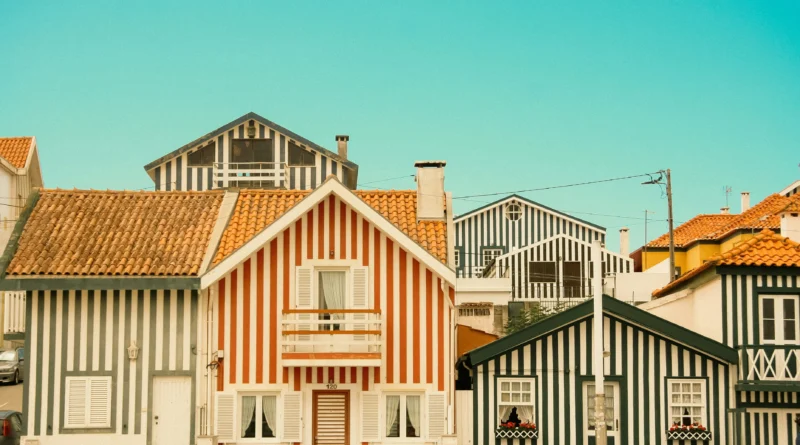
What Building Styles Work Best For Small Homes
Planning a small home means finding a good mix of fresh ideas, real-world needs, and smart use of space. When you have just a little room to work with, each choice counts a lot. This includes the setup inside, the stuff you build with, and even how you place the windows. Picking the best building style can turn a tight home into something that feels roomy, smart, and nice-looking. It does this without cutting back on comfort at all. In this piece, we look at different ways to build that fit small homes. We check out how they handle space, how their looks fit together, and how they work for today’s life. Oh, and sometimes folks forget that a simple tweak, like adding a shelf here or there, can change everything—I’ve seen it in real projects where that made the difference.
Why Does Building Style Matter for Small Homes?
The way you build shapes more than just the outside look of your home. It also affects how it works in a small area. For tiny houses, making the best use of the floor plan and how light spreads is key. A smart style choice can improve fresh air flow from nature. It can cut down on power bills too. Plus, it can add a sense of openness that tricks the eye into thinking the space is bigger.
Compact Layouts with Functional Flow
Tiny homes do well with open setups. In these, living spots link up without walls getting in the way. Styles like modern simple or Scandinavian building use straight lines and rooms that serve more than one job. They skip extra walls that aren’t needed. Because of this, sunlight moves easily from one area to another. That builds a light and breezy feel, even when the size is small. Take a 600-square-foot place I know of; the open flow made it feel twice as big during family gatherings.
Integration of Indoor and Outdoor Spaces
Some styles, like those from Japanese ideas or mid-century modern, mix inside and outside areas. They do this with big sliding glass doors or small yards inside the home. Such links stretch out the space you can use, at least in your mind and eyes. So, small homes end up feeling larger than they really are. It’s a neat trick—picture stepping from your kitchen right onto a deck without any barrier, and suddenly the yard feels like extra rooms.
Material Efficiency and Structural Simplicity
Designs for tight spaces often pick light stuff to build with, such as wood frames or structural insulated panels (SIPs). These choices save room and speed up the building job. Simple styles cut back on fancy bits. Instead, they pay attention to size balance and surface feel. That way, they show class through basic means. In one build I recall, using SIPs dropped the time from months to weeks, which saved a ton on labor costs.
Which Traditional Building Styles Adapt Well to Small Homes?
Old-school building ways bring a lasting charm. But for small lots, you have to shrink them down right. Some classic types shift over nicely when you mix in fresh touches.
Cottage Style Charm
Homes in cottage style are cozy and small right from the start. Sharp sloped roofs, little windows that poke out, and welcoming front steps add personality. They do this without needing much ground space. Natural items like wood covers or rock add a warm touch. At the same time, they keep things in good scale. Think of those storybook cottages in the countryside; scaled for a city lot, they still capture that snug vibe, maybe with just 800 square feet total.
Craftsman Precision
Craftsman homes spotlight careful handmade parts. Things like furniture built right in, beams you can see, and colors from the earth fit small setups well. They mix use and good looks. The focus on lines that go side to side helps keep the building steady in sight. Built-in spots also boost storage smarts. From what I’ve noticed in older neighborhoods, these details hold up over years, making small spaces feel crafted with care rather than cramped.
Colonial Simplicity
You can make colonial building plain for tiny homes. Keep the even fronts and sloped roofs, but drop the extra trim. The even sizes of this style work great for small two-floor plans. Here, going up makes up for not having much side-to-side room. It’s practical—many early American homes started this way on tight land, and modern versions follow suit with updates like better insulation.
How Do Modern Building Styles Optimize Small Spaces?
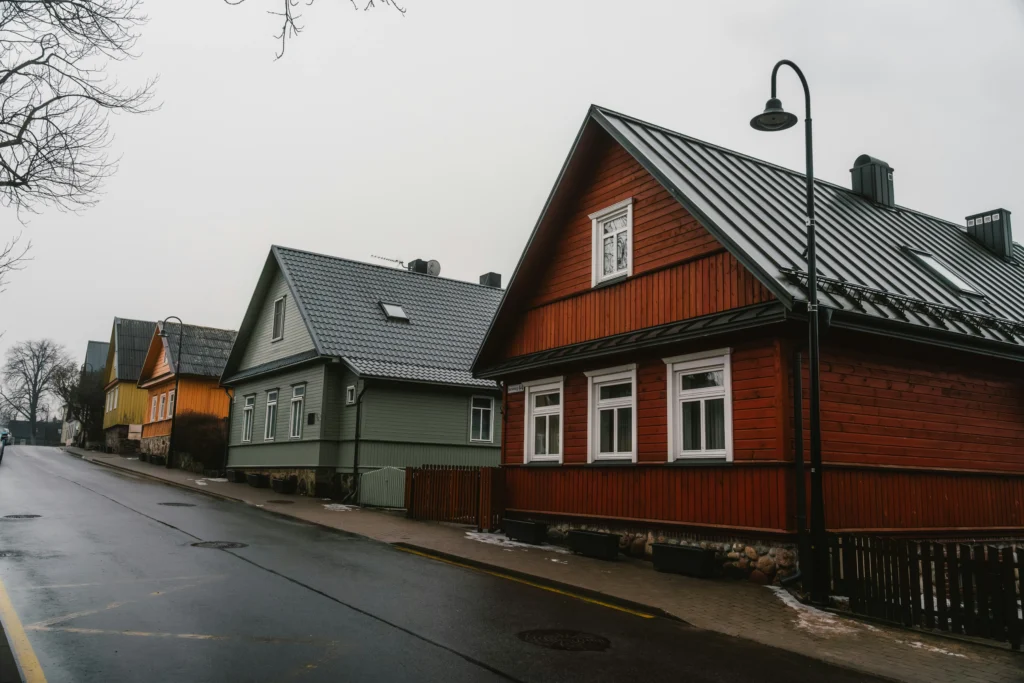
Today’s building ways shine with clear shapes and designs that have a point. Both traits are vital when space is tight.
Minimalist Design Principles
Minimalism cuts out extra frills to highlight room size, brightness, and balance. Setups without walls, along with soft colors, make space seem wider. Furniture fitted in keeps views clear. It also makes every bit useful. In practice, this means a living room that flows into the kitchen seamlessly, perhaps with hidden storage that pops out only when needed—super handy for daily life.
Scandinavian Functionality
Scandinavian ways stress ease through plainness. Light-colored wood, white paint on walls, big glass openings, and smart storage mark this style. It works extra well in cold spots where sun is rare. The insides bounce light around all day. Folks in places like Sweden swear by it; their small homes stay bright and comfy even on short winter days, often using just natural fibers for that cozy factor.
Industrial-Inspired Compact Living
Small homes with industrial touches use bare brick, metal frames, and rough concrete. These give a solid feel in close quarters. Tall roofs, matched with extra floors up high, turn height into living spots. This happens without spreading out wide. It’s like those converted warehouses turned into lofts—raw but full of character, and in a 400-square-foot setup, that mezzanine can add a whole bedroom level without extra land.
What Role Does Sustainability Play in Small Home Design?
Green living fits right in with small setups. Less size already cuts down on stuff used and power needed. But the building style can boost eco-friendliness even more. Interestingly, in rainy areas, some styles handle water better, which isn’t always top of mind but saves headaches later.
Passive Solar Design Concepts
Place windows with the sun’s path in mind. This cuts winter warmth needs. Overhangs block too much heat in summer. Lots of new green styles weave these ideas into small areas smoothly. For example, south-facing windows in a 500-square-foot home can slash heating bills by 30%, based on basic solar math anyone can check.
Green Roofs and Natural Insulation
Designs that care about the earth often add plant-covered roofs. These insulate well and help city wildlife. Stuff like paper-based fill or reused wood adds green perks and a nice feel inside. It’s not just pretty; those roofs can lower cooling costs by keeping heat out, especially in hot spots.
Energy-Efficient Systems Integration
Tiny homes make it simple to add power-saving tech. Things like air systems that reuse heat or sun panels fit easy. That’s because the whole place needs less energy than big ones. In one case I heard about, a small home with these cut bills to under $50 a month year-round—proof it pays off quick.
Can Regional Architecture Influence Small Home Efficiency?
The weather where you live shapes which styles work best for small spots. Local ways can make a big difference in how well things run.
Tropical Vernacular Adaptations
In wet, warm places, homes raised up with big roof edges let air move under the floor. They also shade walls from strong sun. This comes from old Southeast Asian houses on stilts. Modern tiny versions near beaches use the same tricks well. Imagine a beachside micro-home that stays cool without AC—those wide eaves make it possible, cutting energy use way down.
Desert Modernism Solutions
In dry lands like the U.S. Southwest, walls from packed earth or adobe hold heat and cold steady. This natural way helps cool small desert homes without much effort. It’s a smart fix for hot days. These materials, thick and earthy, keep insides comfy; one adobe small home I read about stayed 20 degrees cooler inside than out, no fans needed.
Nordic Compact Cabins
In icy areas like Scandinavia or northern Canada, roofs that slope steep clear off snow fast. Windows with three layers of glass keep warmth in. Old forms like this grow into smart small homes for tough winters. They’re built to last—think of those cabins huddled against blizzards, where the pitch prevents collapse and the glass lets in every bit of light.
How Do Interior Layout Strategies Complement Exterior Style?
Inside planning has to match the outside build for a smooth feel between look and use in small homes. When it clicks, the whole place hums.
Multi-Purpose Furniture Systems
Chairs that turn into beds for guests or tables that fold away show how inside setups pair with plain outside looks. They keep things neat without losing what you need. It’s everyday magic— in a studio apartment style home, that sofa-bed handles movie nights and sleepovers without clutter.
Vertical Storage Utilization
High shelves built into walls use the up-and-down room well. This fits with turns of old factories into small lofts. It links inside order to the building’s style. Plus, in tight spots, reaching up means you free the floor for living, not stuff—practical for anyone short on space.
Visual Continuity Through Materials
Bring outside stuff inside, like wood beams you see or smooth concrete underfoot. This makes a smooth flow that stretches space in your eyes. It also ties the style together on every part. Sometimes, a mismatch happens if you don’t, but when it works, it feels like one big, welcoming space rather than chopped-up rooms.
FAQ
Q1: What is the most cost-effective building style for a small home?
A: Minimalist designs are typically most cost-effective because they require fewer materials and simpler construction methods compared to ornate traditional styles. And in real builds, this often means budgets stay under $100,000 for a basic setup.
Q2: Which building style offers the best natural lighting for small spaces?
A: Scandinavian-style homes maximize daylight through large windows, pale color schemes, and open interiors optimized for light reflection during long winters. They really shine in places with dim days, making even 300 square feet feel sunny.
Q3: Are traditional cottage designs suitable for urban lots?
A: Yes, cottage-style layouts can be adapted effectively for narrow urban plots by scaling down roof pitches and simplifying detailing while preserving charm. City examples show they fit tight streets without losing that homey appeal.
Q4: How does sustainability impact resale value in small homes?
A: Energy-efficient features such as solar panels or passive cooling systems often enhance resale value since buyers associate them with long-term savings on utilities (source: U.S. Department of Energy 2023). It’s a smart sell—homes with these go for 10-15% more in green markets.
Q5: Can industrial-style elements make a tiny home look cold?
A: Not necessarily; combining raw textures like metal or concrete with warm lighting or wooden accents balances industrial aesthetics with comfort suitable for compact living environments. A soft lamp or rug can warm it right up, turning potential chill into cozy grit.