
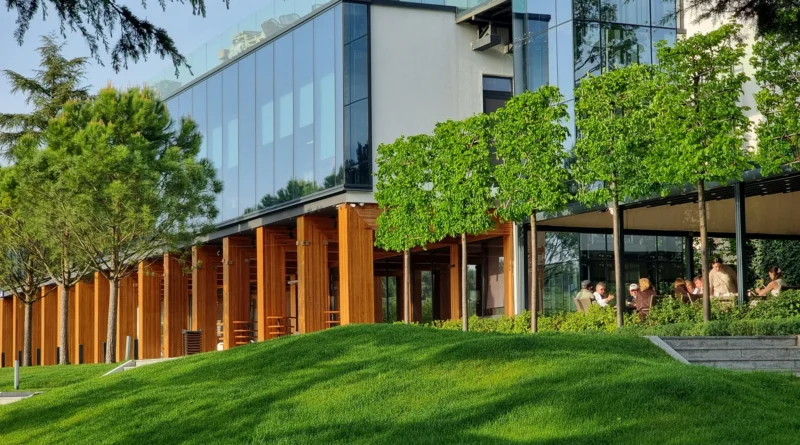
What Is Green Design Architecture And Why It Matters
Green design architecture, also known as sustainable architecture, goes beyond a simple trend. It changes the way we plan, build, and handle buildings. This method puts environmental protection into each part of the job. Cities expand bigger every year. Weather problems become worse. So, this kind of building carries big value for people who form our everyday surroundings. Coming parts will check out the key ideas, ways, and true results of green design architecture. It’s strange how some old buildings in small villages last without these fresh thoughts, but today’s wants push us to move ahead. Sometimes, those old spots even inspire new twists in modern plans.
What Defines Green Design Architecture?
We start by taking a good look at what makes green design architecture different. Before we get into its results, we have to grasp what makes a project fit this category. It includes different actions focused on lowering energy use, trimming material needs, and helping the health of people who stay there. These buildings try to affect nature as little as possible. But they run well and offer nice feelings. In everyday practice, this leads to spots that hold up and change with the years. Take a basic house, for instance. It could make small changes to match family life for many years. Such homes often pass down through generations with little upkeep.
Sustainable Building Materials
Green design picks materials that cause little damage to the planet from beginning to end. Things like recycled steel, reused wood, bamboo, and low-carbon concrete serve as usual options. These picks cut down on garbage a lot. Also, they usually keep heat better or last more time. One trip to a building site comes to mind. Bamboo formed the floors there. That top layer looked strong and mixed well with the outdoors, giving a warm vibe right off. With steady traffic for a few years, the floor worked fine. This shows how useful these choices are. The workers mentioned it dropped costs for repairs too. In wet areas, bamboo fights water better than certain trees, which adds extra good points. I’ve seen projects where mixing bamboo with local stone made the whole place feel more connected to the land.
Energy Efficiency and Passive Design
Buildings made to save energy use smart ways, like sun warmth for heating. They let air move without machine help. Good window glass helps out here. Builders point the building in the best way. They add firm stops for heat escape. So, total energy use falls a good deal. The look stays good. A certain office pops up in memory. The windows there took in enough sun to warm rooms in winter. This cut heating costs by about 30 percent. Workers saw the change fast. They had fewer complaints about cold parts in meetings. Plus, this plan cut down on fiddling with settings all day. In places with long winters, like up north, this passive style saves even more on bills over time.
Integration of Renewable Systems
Tools such as solar panels, geothermal heat systems, and small wind machines show up in designs more and more. These setups let buildings create power from clean sources. Some even work without the main power lines. Think of a house with its own energy maker on top. Far-off places, like homes on hills, count on this for light when storms hit and wires break. One house in Colorado runs on nothing but sun energy. It powers stuff from lights to a small fridge. No blackouts happened in the last winter. On heavy snow days, it stayed even, which eased the owner’s worries a lot. These cases show how dependable it can be in hard spots. In off-grid farms, adding wind helps balance sun dips on cloudy weeks.
How Does Green Design Architecture Address Environmental Challenges?
You could ask how just one building helps with worldwide problems like saving the earth. To be honest, making and running buildings cause close to 40 percent of carbon in the air around the world. That number is from a 2022 report by the Global Alliance for Buildings and Construction. Green design faces this straight on. It cuts down pollution from choosing materials all the way to breaking things down at the end. Bit by bit, these small steps bring real changes in dealing with trash and supplies. Not all jobs go without hitches, but the big picture heads to better days. Local weather quirks sometimes force quick fixes that teach valuable lessons.
Reduction of Carbon Footprint
Picking supplies close by lessens truck runs and their smoke. Smart dials for hot and cold use less power. So, less carbon comes out during normal running. Tiny changes build up well. Think about switching to LED lights or controls that learn habits. Over long times, they save huge energy amounts. One school put these in place. Carbon went down by 25 percent in two years. Kids got steady heat. This helped them focus more in class. Parents saw lower bills in their forms. In fast-paced offices, these tweaks pay back faster than expected. A buddy in the field shared how one firm hit 40 percent savings by tweaking lights alone.
Water Conservation Strategies
Systems that collect rain and reuse water from taps cut need for new water. Low-use fittings add to this. They work fine but drink less. This helps a bunch in dry lands. Look at dry parts of California. There, they grab water from roofs for plants. This saves thousands of gallons each round. Close-by farmers picked up like ways for their fields. It shows how building tricks spread to other uses. In dry spells, these keep yards green without pulling from city pipes. One community garden I know doubled its output this way during a tough summer.
Waste Management During Construction
Plans for green jobs include sorting junk right at the spot. They use pieces from old builds too. Some get praise for no-waste aims. Good planning matters, but payoffs cut landfill space. On a new site in Texas, groups split stuff daily. They recycled 80 percent into new work. More than money saved, it made jobs for local folks. This built stronger area links. The way also lowers noise from big trucks. Sites get quieter for people nearby. In tight urban spots, this keeps peace with residents better.
Why Is Human Health Central to Green Design Architecture?
Green buildings give more than help to the planet. They make everyday life better for those who use them. Folks spend roughly 90 percent of time indoors, based on EPA facts. Bad air or bad stuff inside can harm feelings and work. So, health sits at the heart of this area. More than just nice feels, it stops small troubles from growing big. In packed cities, paying attention here matters a lot for the whole group’s health. Busy streets make indoor quality even more key for daily calm.
Improved Air Quality
These buildings go for paints without bad chemicals and sticks without strong smells. They put in good cleaning filters. Steps like this drop breathing troubles for people living or working in them. Fresh air inside feels like outside air. In areas with lots of allergies, like town apartments, users have fewer trips to doctors after changes. One family told of less bad attacks for their kid once filters went in. In a few months, sleep got better and energy rose. Offices with this see sick days drop by 20 percent in some reports.
Natural Lighting Benefits
Letting in day light cuts need for fake lights and raises moods. It helps with paying attention too. A study from Harvard T.H. Chan School of Public Health in 2017 showed 51 percent less eye strain in rooms with sun. Imagine a whole day of work without that ache. It changes normal tasks. Offices with plenty of windows note happier teams. Work goes up in boss notes. Sun light also sets body clocks right. This makes night work less tiring. In schools, brighter rooms link to better test scores from what teachers say.
Thermal Comfort Optimization
Systems that shift for heat and cold keep things comfy all year. They use shades that move alone or cloths that react to temps. Needs for energy to control weather stay small. Dependability stands out. During hot times in Florida, these keep inside temps even. They stop jumps that make folks turn up coolers too much. This evenness eases load on machines. Life of gear stretches without often fixes. In mixed climates, like the Midwest, it handles both cold snaps and heat waves smoothly.
What Role Do Smart Technologies Play in Green Design Architecture?
Tech drives a lot of green building work now. Things like computer models of buildings or smart watchers keep things going well after finish. More than flash, they help day-to-day tasks. Still, some gadgets need fixes after first tests in real spots. That try-out time often uncovers surprise pluses. Not everything clicks perfect at start, but tweaks make it solid.
Building Information Modeling (BIM) Integration
BIM helps builders test how a building will act before starting. It finds problems early. Money and material saves come in build time. For a hospital job, BIM pointed out air flow issues before concrete pour. The team changed plans quick. This skipped big later costs. Nurses liked the smooth air in patient checks. The tool cuts talk time too, shortening group meets. In big projects, it spots clashes between pipes and walls before they happen.
Smart Sensors for Energy Management
Sensors spot if rooms have people. Then they change lights or temps to fit. Resource waste stops but nice feels stay. The building acts like it knows quiet times. A full hotel cut light costs 20 percent with these. Guests hardly noticed. In slow hours, it lowers light in empty paths. More savings come without gripes. Hotels in tourist spots use this to handle peak crowds without extra power spikes.
Data-Driven Maintenance Systems
IoT tools guess when parts might fail. Fixes happen before trouble. Equipment lasts longer in a green manner. Knowing what comes next calms worries. A big storage spot with this had almost no pump breaks. This freed up time in busy shipping weeks. Logs from data aid budget plans. No shock costs pop up. Warehouses in busy ports rely on this to keep goods moving without delays.
How Does Green Design Architecture Influence Urban Development?
Taking green design to neighborhoods or whole towns changes how cities look and run. It strengthens hold against weather changes. It also builds community with careful setups. Tiny green areas often change busy roads. Change happens slow, guided by people nearby. First ideas may miss little things, but input makes them better. Side paths for bikes sometimes get added later, tying it all together.
Eco-District Development Models
Eco-districts blend homes, shops, and work areas. They share items like one heat source or sun power for all. Areas that care for themselves form. In Copenhagen, one cut energy by 40 percent with shared ways. People there like lower bills and often meet in shared green spots. Common walks push foot steps. This adds friend links. Districts like this in Europe now include play areas for kids, boosting family stays.
Public Space Integration
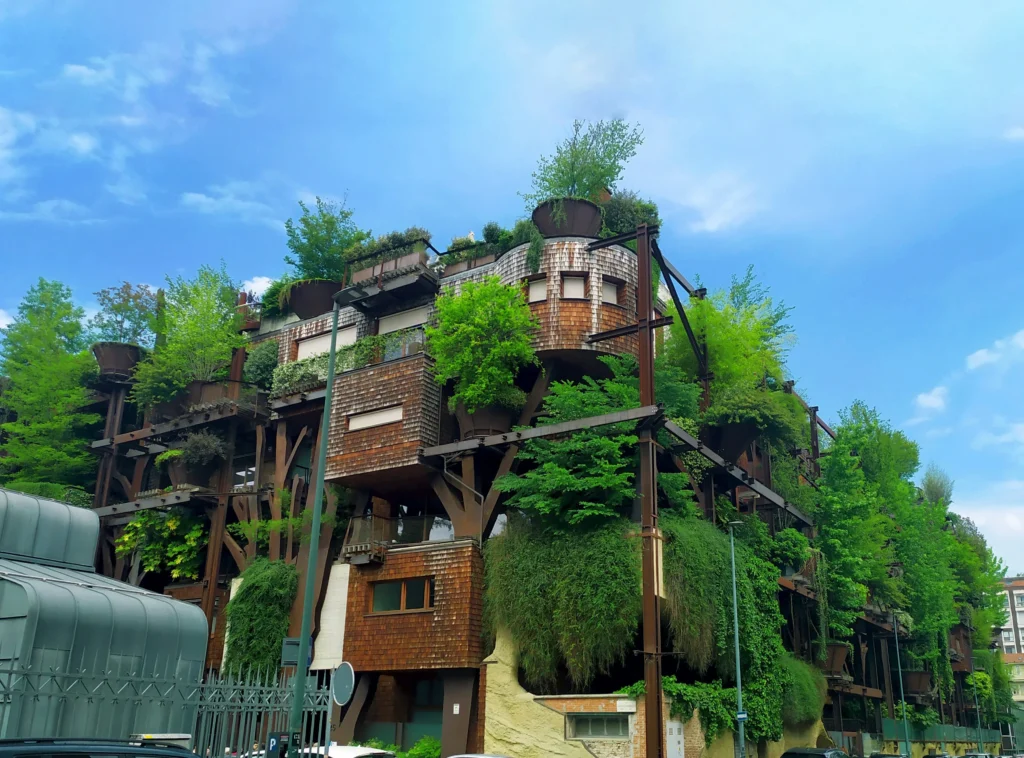
Add green roofs or climbing plants to packed buildings. Nature comes back. It gives close places to relax. This fights city dullness well. Towers in Singapore have roof gardens that grow fresh food for folks inside. This shortens store trips and starts home growing. These spots hold little events. Neighbor bonds grow strong in high builds. In hot cities, they cool air around too, like a natural fan.
Transportation Synergy
Put houses near bus or train stops. Car rides and bad air drop. People choose walking or biking. Health gains come along. A Portland build saw 35 percent fewer cars used. Local stores got more walkers. Sales for small shops rose. Bike paths fit right in. Trips get faster. In growing suburbs, this cuts traffic jams by linking work and home closer.
What Are the Economic Implications of Adopting Green Design Architecture?
Some say starting costs for green buildings feel steep. Yes, new tools or scores like LEED or BREEAM add up. But savings from running them beat first pays over time. Property value goes up too. Roads to this aren’t always straight. Rules change. Some money people wait. But numbers back long views. Market swings bring extra thinks to choices. In rising markets, green tags speed sales a bit.
Lower Operating Costs Over Time
Setups that save power bring smaller checks for lights and such over years. Builders who look ahead pick this. It beats fast wins. One factory saved $50,000 each year on basics after going green. Money went to train workers. This improved daily work. Yearly checks showed costs keep falling. Factories in industrial zones often share stories of how this pays for expansions.
Higher Property Valuation
Buyers give extra for green places. They know runs stay cheap and spots feel good. Smart move in house sales. Busy city areas sell these fast. They get up to 10 percent more than regular. Checks note health and save draws. In hot real estate spots, green certs add quick appeal to listings.
Incentives and Policy Support
Governments offer tax cuts or cash help for green work now. Costs get easier, per U.S. Department of Energy info. It’s a soft nudge ahead. Differences by place mean checking yours finds extras like quick okay papers. New rules in Europe do the same. This opens doors wider. Small towns sometimes get bigger grants to start green shifts.
How Can Professionals Advance Green Design Practices?
People in building or machine fields need to learn ongoing. New stuff comes quick. Working with other types helps much. Green rules cover from bases to plants. Sharing thoughts starts best answers. Meetings bring workers together. Stories of slips teach as much as good ones. Personal ties often give the handiest hints. Online groups add quick chats on fixes.
Cross-Disciplinary Collaboration
Builders link with nature-knowing tech folks. Together, they make air plans mixing machines with outside winds. Real-world blend works. One team job fixed a breath snag that alone workers missed. Talks showed hidden sides, like air flows in low lands. This mix sometimes slows starts but speeds finishes.
Certification Programs and Continuing Education
Badges like LEED AP or WELL Accredited Professional prove good green skills. They get known worldwide. Classes keep know-how fresh. Online study makes it simple. Free choices from groups help start. Hands-on sessions link book learning to real sites. Pros in remote areas use these to stay current without travel.
Research and Innovation Hubs
Schools and businesses put cash into lab spots for new thoughts. Tests include mixes that grab carbon or plant walls that clean air. These places move the area forward. A lab in Singapore tests algae boards for cool without machines. Early tries show 15 percent less cool needs. Colors give a special look to sides. Coming changes could add watchers for finer handle. This grows fits in warm places. Labs like this draw young talent with fun experiments that feel like play but solve real issues.
FAQ
Q1: What distinguishes green design architecture from traditional architecture?
A: Traditional designs focus mainly on aesthetics and function; green design adds environmental performance as a core objective throughout planning, construction, and operation phases.
Q2: Is green architecture only feasible for new buildings?
A: No. Many existing structures can be retrofitted with energy-efficient systems or improved insulation without full reconstruction.
Q3: Do green buildings require special maintenance?
A: They often need regular monitoring through smart systems but typically experience fewer breakdowns due to better-quality components and predictive maintenance tools.
Q4: Which certifications validate sustainable building performance?
A: Common ones include LEED (Leadership in Energy and Environmental Design), BREEAM (Building Research Establishment Environmental Assessment Method), and WELL Building Standard focusing on occupant health metrics.
Q5: How does green design contribute to climate resilience?
A: By reducing emissions during operation and incorporating adaptive features like flood-resistant landscaping or heat-reflective surfaces that mitigate urban heat island effects effectively.