
What Are the Most Popular Home Design Trends Right Now
The world of home design keeps changing all the time. Every year, fresh materials, shades, and layout ideas reshape how folks live and show their style inside their homes. The pandemic made comfort and usefulness top priorities, but things are moving now. They head toward coziness, realness, and green choices. If you handle architecture or interior work, staying on top of these changes matters a lot. It’s not just about looks. It’s about guessing what customers will like soon. I remember chatting with a client last month who wanted a space that felt lived-in, not showroom perfect. That kind of request pops up more these days.
Why Are Natural Materials Dominating Modern Interiors?
Natural materials stand out as a key part of current home design trends. They add a cozy feel and touchable quality that fake stuff often misses. Folks in design pick items that get better with age and share a bit of history as time goes on.
Organic Textures and Raw Finishes
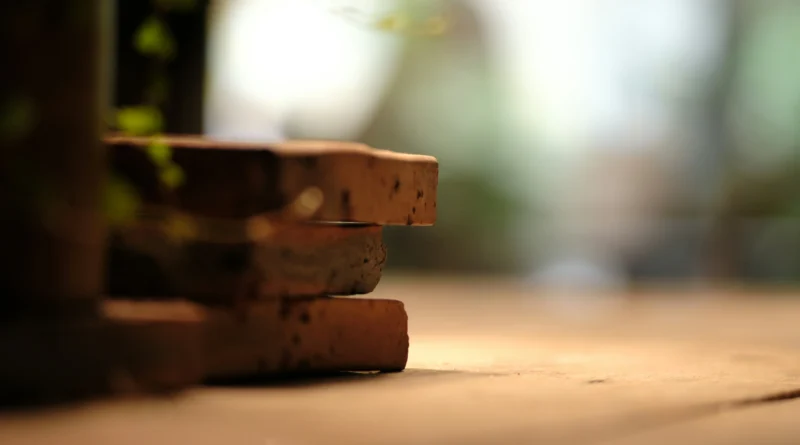
Wood, stone, clay, and linen show up in many spots. You see them on kitchen tops or bed covers. For example, oak cabinets with clear wood lines or rough marble counters bring real depth. They don’t take over the room. This shift to unfinished looks shows a wish for truth in a world full of screens. Take my friend’s kitchen redo. She chose rough wood shelves, and it made the whole area feel welcoming right away.
Sustainability as a Core Value
People ask about the source of their stuff now. Floors from reused wood or tiles from recycled glass cut down on harm to the planet. Plus, they make unique patterns no one else has. Lots of fancy jobs pick wood certified by FSC or paints with low VOCs. This fits what green-minded folks expect. In one project I heard about, they used 80% reclaimed items, and it saved money in the long run while looking great.
Local Craftsmanship Revival
Folks value handmade work from nearby more these days. Pots shaped by hand or rugs woven by local people add personality. They help small businesses too. This fits the slow life idea. You pick a few good things that stick around for years, not just months. It’s like choosing a sturdy chair over a cheap one that breaks fast.
How Is Color Psychology Shaping Home Palettes?
Color always stirs feelings, but in home design, it’s getting more planned out. Designers pick shades to affect how people feel and act in certain rooms.
Earthy Neutrals and Warm Whites
Cold grays are losing ground. Beige tones like sand, soft brown, and light tan fill living spaces instead. They seem steady but classy. Soft whites cut glare from light and go well with wood shades. In a recent home tour, I saw a living room with taupe walls, and it just made everyone relax more.
Bold Accents for Personality
Even simple homes add strong color pops now. Picture dark green cabinets in the kitchen or reddish tiles in the bath. These bits give a personal touch without messing up the flow. Putting color on walls or chairs helps split open areas without building walls. It’s a smart fix for big rooms that need some order.
Emotional Zoning Through Color
Color helps split up jobs in rooms that do many things. A quiet blue spot for reading sits by a bright yellow work area. This quietly changes energy as the day goes on. It’s super handy for tiny city flats where space counts a lot. One designer told me about a studio apartment where blue calmed the sleep zone, and it worked wonders for the owner’s routine.
What Role Does Technology Play in Home Design Trends?
Smart homes have been around, but tech blends with looks in better ways now. It’s less about flashy tools and more about easy daily life.
Invisible Smart Systems
Lights that change with the time or hidden sensors in walls show how tech can hide well. The point is ease without mess in sight. Homes feel natural, not like machines. For instance, in a new build, the lights dim at sunset automatically, and no one even notices the wires.
Energy Efficiency Integration
Solar panels, smart temperature controls, and apps that track power use are common in green homes. Builders plan room shapes for natural warmth first. Then they add things like heat pumps or warm floors. This combo saves bills and helps the earth. Stats show homes with these features use 30% less energy on average.

Hybrid Work-Home Technologies
With work from home sticking around, special tech spots matter. Hidden wire setups or sound-proof walls make mixed living better. They keep things pretty too. In offices at home, a quiet call setup can make all the difference during busy days.
Why Are Flexible Spaces Becoming Essential?
Today’s ways of living need homes that change easily. Places must handle work, rest, exercise, and friends. All in the same area.
Multi-Functional Furniture
Sofas that turn into beds, tables that grow, and shelves that move let rooms switch uses fast. In small flats, this makes life better than just big size. I saw a family use a fold-out desk in their living room, and it freed up space for movie nights.
Sliding Partitions and Pocket Doors
Movable walls beat fixed ones. They let layouts change with the day. Cloudy glass splits keep secrets but let light through. Designers love this for open setups. It adds about 20% more usable space in some homes, from what I’ve read.
Indoor-Outdoor Continuity
Big doors that slide link inside rooms to outside patios. They mix the two worlds. Outdoor cooking spots or roofed areas grow living space all year in mild weather. Nothing beats grilling in the fresh air without leaving home.
How Are Lighting Concepts Evolving?
Lighting does more than light up now. It shapes the mood and brings out textures inside.
Layered Lighting Strategies
Designers mix main ceiling lights with work lamps and highlight ones. This controls how deep a room feels. Lights you can adjust let people set the glow for tasks or feelings. In a bedroom, soft layers help wind down after a long day.
Natural Light Maximization
Roof windows and tall glass walls stay big hits. They look good and boost well-being from sun. Thin curtains spread strong light but keep the open feel. Homes with more daylight report happier owners, based on some studies.
Statement Fixtures as Art Pieces
Large hanging lights from bamboo or twisty metal draw eyes over tables or stairs. They light up and tell a story as decor. In one dining room, a woven pendant became the talk of every dinner party.
What Is Driving the Popularity of Biophilic Design?
Biophilic design ties people to nature via buildings and rooms. It’s a fix for city crowds and too much screen time. Plus, who doesn’t love a bit of green in their daily view?
Indoor Greenery Integration
Wall gardens or pots near windows clean air and smooth hard lines. Even tiny plants on shelves add calm looks. They make small changes that lift spirits. A client added ferns to her office corner, and she said it cut her stress by half.
Natural Patterns and Forms
Designers copy nature shapes. Think rounded chair arms or leaf designs. They bring easy comfort without trying too hard. Fabrics with plant patterns fit right in. It’s subtle, but it makes spaces feel alive.
Water Elements for Serenity
Small indoor water falls or pools add peaceful sounds. They lower tension in homes built to recover from busy outsides. The trickle of water can turn a hectic evening into a chill one, almost like magic.
How Does Minimalism Continue to Influence Design Philosophy?
Minimalism still shapes ideas, but it’s grown kinder. No more plain white rooms. Now it’s “soft minimalism” with more warmth.
Quality Over Quantity Mindset
Empty spots aren’t the goal anymore. Modern simple style picks top-notch items. Like walnut wood cabinets over cheap boards, or real cloth curtains over fake ones. Everything there has real skill behind it. This way, homes feel full without crowding.
Hidden Storage Solutions
To keep sights clean but useful, built-in spots hide daily mess. From kitchen tools to desk stuff, they tuck away behind flat doors that match walls. It’s practical magic that keeps things tidy.
Calm Through Simplicity
Soft minimalism aims for clear minds by cutting extra sights. Less busy prints, quiet colors, and room around key pieces like low couches or shaped chairs bring peace. It suits busy lives that need a quiet spot to breathe.
FAQ
Q1: What colors are trending most in 2024 home design?
A: Earthy tones such as clay red, olive green, and warm beige dominate current palettes because they convey comfort while complementing natural materials like wood and stone (source: Architectural Digest 2024).
Q2: Are open floor plans still popular?
A: Yes—but designers now favor semi-open layouts using sliding panels or shelving divisions to balance openness with acoustic control (source: Dezeen 2023).
Q3: Which technology upgrades increase property value most?
A: Integrated smart lighting systems and energy-efficient HVAC controls typically yield higher resale value according to Zillow’s 2023 Home Report (source: Zillow Research 2023).
Q4: How important is sustainability in luxury projects today?
A: Extremely important; over 70% of high-end clients prioritize eco-friendly materials even when costs rise slightly (source: Houzz Sustainability Survey 2023).
Q5: What defines “soft minimalism”?
A: It blends minimalist structure with tactile warmth—using natural textures, muted hues, and layered lighting—to create inviting yet uncluttered spaces suitable for modern lifestyles (source: Elle Decor 2024).