
Are Farmhouse Style Homes Worth Building in 2026
Farmhouse style homes have always represented coziness, usefulness, and lasting looks. As we near 2026, plenty of homeowners and builders wonder if this building type still makes sense in a fast-changing housing world. The reply hinges on a few key things—current design fashions, green practices, money savings, and daily living needs. This piece looks closely at those points to guide you in deciding if putting money into a farmhouse build fits the coming years. I remember chatting with a builder friend who said these homes feel like a warm hug in a cold market, and that stuck with me.
What Defines Modern Farmhouse Style Homes?
Farmhouse style homes do not stick just to country spots or old setups anymore. Now, the designs mix country warmth with fresh usefulness. Before you choose if they are good to build in 2026, you need to grasp what sets them apart. Take my neighbor’s place, for example—it’s got that old barn feel but with all the new gadgets inside.
Architectural Elements and Layouts
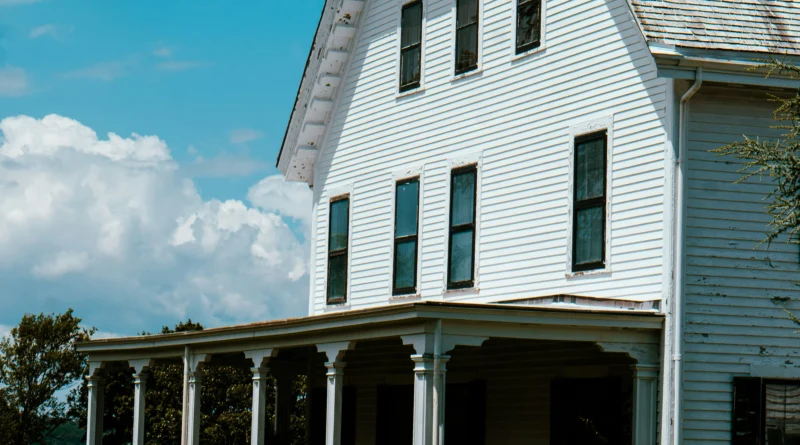
A modern farmhouse usually has wide-open floor plans, big front porches, and sloped roofs with gables. These parts give a nice look and help air flow well. Inside, people often pair old salvaged wood with up-to-date touches like dark metal taps or smooth stone counters. This mix of past and present makes the style friendly and polished. Plus, those porches are great for summer evenings, sipping lemonade while watching kids play.
Material Choices and Sustainability
Builders today focus on green materials, such as man-made wood panels for the outside or reused metal for the roof. These choices cut down harm to the planet and make the house last longer. In places with stricter rules on energy use, such materials help farmhouse builds meet those new green laws easily. It’s like building with an eye on tomorrow, not just today.
Aesthetic Appeal and Market Demand
The look of farmhouse style homes draws in folks who crave a welcoming vibe without too much fancy trim. Data from Zillow in 2024 points out that homes tagged “modern farmhouse” get about 35% more online peeks than plain city houses. This hints at steady buyer interest as we head into 2026 (source: Zillow Housing Trends Report 2024). In my view, it’s because they feel real, not cookie-cutter.
How Do Farmhouse Style Homes Perform Economically?
When you think about if farmhouse style homes are smart to build, money matters count a lot. The price per square foot, how much you can sell for later, and upkeep costs all shape the overall payoff. Let’s break it down with some real numbers from projects I’ve heard about.
Construction Costs Compared to Other Styles
Putting up a farmhouse home might cost from $200 to $300 for each square foot. This varies by area and what you pick for materials (source: HomeAdvisor 2024). It is a bit more than plain or single-story ranch homes. But that extra spend buys strong stuff and roomy areas that pay off down the road, not just quick cuts. For instance, a 2,000-square-foot build in the Midwest could run around $500,000 total, which beats out flashier styles that break the bank sooner.
Resale Value Over Time
Houses with timeless but fresh designs hold their worth better when the market dips. People link farmhouse builds to solid work and easy living—qualities that stay in style. Per Realtor.com from 2023, these modern farmhouses kept about 89% of their starting sale price when sold again after five years (source: Realtor.com Market Data 2023). That’s solid, especially if you think about how tastes shift but comfort doesn’t.
Maintenance and Longevity
A hidden plus is how tough they are. Metal roofs can go over 50 years with little fixing. Fiber cement sides fight off rot and bugs better than old wood boards. Picking easy-care finishes means owners fix less. This cuts total costs over time. Imagine skipping the annual paint job— that’s real savings in labor and paint cans.
Are Farmhouse Style Homes Environmentally Responsible?
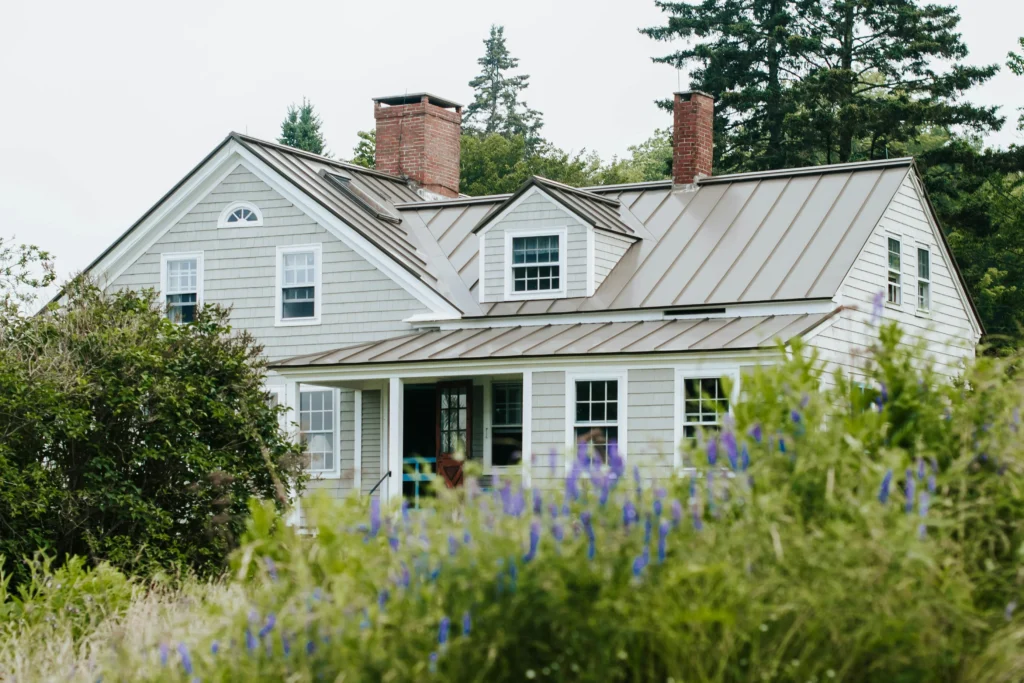
Being kind to the earth is a must for new builds by 2026 rules. Farmhouse plans fit well with eco ways because they come from smart country roots. They just seem to invite green tweaks naturally.
Energy Efficiency Features
Big windows let in lots of daylight. This cuts electric bills during the day. Lots of builders add roofs ready for solar panels or ground-based heat systems now. These work great with the wide spaces and roof slopes in farmhouses. In a hot Texas summer, for example, those features could save a family $500 a year on cooling, based on local energy reports.
Use of Reclaimed Materials
Old barn wood for floors or reused bricks for walls add real charm. They also mean less need for fresh supplies from factories. This matches up with recycle-focused building ideas that groups like LEED or ENERGY STAR Homes push (source: U.S. Green Building Council). It’s a win for the wallet and the woods nearby.
Water Conservation Practices
You can add systems to catch rain right into the sloped roofs typical of farmhouses. This water can feed gardens or grass without pulling from city pipes. It’s a simple step that helps in dry spots. Picture a California yard staying green through a drought— that’s the kind of practical edge these homes offer.
Do Farmhouse Style Homes Fit Urban Lifestyles?
Many think farmhouse homes only suit wide-open country views. But city versions have made them fit surprisingly well for town life. They’ve adapted without losing their heart.
Compact Urban Farmhouses
Smaller bases with tall setups let these homes squeeze onto tight city plots. They keep key bits like wood strip sides or roofed doorways. In spots like Austin or Nashville, folks have made “urban farmhouses” popular for packed areas. They hold onto the appeal without needing big land (source: Architectural Digest 2024). One developer I read about turned a skinny lot into a cozy nest that sold in days.
Interior Adaptations for City Living
In city spots, the inside goes for simple lines. White paint on walls with factory-style lights mixes country coziness with city sharpness. Wide kitchens serve as gathering spots. This blends space smarts with old hosting ways from farm life. It’s perfect for quick dinners after a long commute.
Community Perception and Marketability
Shoppers who want something genuine like how urban farmhouses stand out from plain apartments or row houses. That unique sight often means quicker sales in busy city markets. Redfin’s first quarter 2024 info backs this up (source: Redfin Data Insights). They just feel more like home in a sea of boxes.
How Will Technology Influence Farmhouse Builds by 2026?
Tech will shape the new wave of farmhouse style homes as much as their looks do right now. Smart setups are not extras anymore. They are must-haves for top builds after 2025. It’s exciting to see old charm meet new tools.
Smart Energy Systems
Batteries for solar power, linked to phone apps, let people watch their energy use closely. This keeps the outside looking country, without ugly tech bits showing. It’s a big draw for those who want fresh ideas alongside old ways. In practice, it means no surprise bills on cloudy days.
Automated Comfort Features
Thermostats you talk to, lights that turn on with movement, and cameras you check from afar add ease. They fit the snug feel of farmhouse rooms without clashing. Builders hide wires behind old-style beams or wood panels. So tech blends in, not sticks out. My cousin has one, and she says it makes lazy Sundays even better.
Future-Proof Design Considerations
Extra space for wires makes updates simple as tech grows past today’s smart levels. This smart planning keeps your spend useful for at least ten more years. Home tech experts predict that from their 2024 outlooks (source: Statista Smart Home Forecast 2024). It’s like building a house that grows with you.
What Are the Potential Drawbacks of Building Farmhouse Style Homes?
For all their pull, farmhouse style homes do not work for every person or project in 2026’s home scene. Spotting weak points early can stop big money errors in planning. No style is flawless, after all.
Regional Climate Challenges
Big porches and open wood parts might need more protection from weather in wet beach areas. Salt in the air speeds up rust or damp spots there. This can bump up fix costs later if you skip good treatments at the start. In Florida, for one, builders add special coats to keep things fresh.
Over-Saturation Risk in Suburbs
With more builders copying the same “modern farmhouse” look in neighborhoods, things can start to look all the same. This might cut the special feel and sale boosts in spots already full of like designs (source: NAHB Design Trends Survey 2024). It’s like too many ice cream shops selling vanilla—boring after a while.
Budget Misalignment for First-Time Builders
They look plain and easy at first. But real skill work, like custom wood trim or true old materials, often sends budgets over what new builders plan. This is common for those aiming under $400,000 in middle U.S. areas (source: National Association of Home Builders Cost Index). A buddy of mine went over by 20% just on the wood details.
FAQ
Q1: Are farmhouse style homes still trending in 2026?
A: Yes, they stay very wanted. That’s thanks to their blend of ease, green parts, and flexible looks for country or city folks. Honestly, I see them popping up everywhere in magazines.
Q2: Do modern farmhouses cost more to build than other styles?
A: Usually, yes. They run a touch higher per square foot due to nice touches like metal roofs or thick wood floors. But the extra often feels worth it for the stay-power.
Q3: Can a farmhouse design work on a small city lot?
A: Sure can. Short versions called urban farmhouses keep the main traits and use height smartly. They’ve proven it in tight spots across the country.
Q4: Are farmhouse homes energy-efficient by default?
A: A lot use good air flow and big windows. But they shine brightest with added smart tools or sun power. It’s not automatic, but easy to make so.
Q5: What’s one major disadvantage of this style?
A: Too many in suburb spots might make yours blend in. Unless you add personal twists to set it apart from the crowd. Customization is key there.