
How Can a Two Story House Floor Plan Enhance Urban Skyline Views
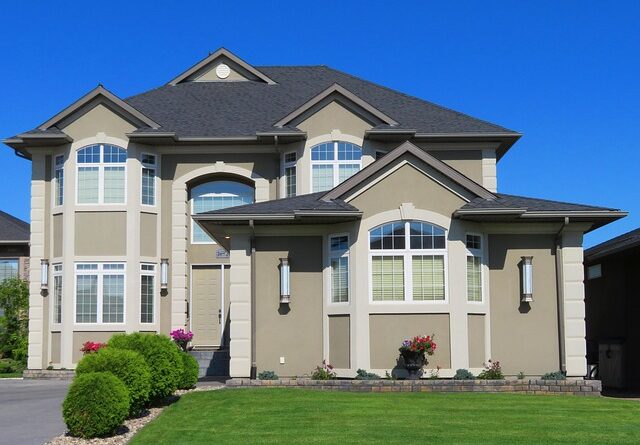
Two-Story Home Overlooking Downtown Blends Modern Build With Established Neighborhood
A two-story home designed to overlook a downtown skyline must balance structural clarity with contextual sensitivity. The modern build should use vertical space, transparent materials, and spatial zoning to capture panoramic city views while maintaining harmony with older surroundings. Through careful orientation, material selection, and sustainable design, such homes can achieve both visual drama and environmental performance. The most effective two story house floor plan integrates upper-level living areas, open façades, and outdoor extensions that transform skyline views into daily experiences.
Architectural Design Principles for Maximizing Urban Skyline Views
The architectural approach begins by treating the skyline not as a backdrop but as an integral design element. This requires precise manipulation of height, transparency, and spatial hierarchy within the two-story structure.
Integrating Vertical Space in Two-Story House Floor Plans
Vertical integration defines how a two story house floor plan frames its relationship with the skyline. By elevating key living spaces to the upper level, architects can capture sweeping perspectives of the urban horizon. Ceiling heights exceeding three meters amplify openness while allowing for clerestory glazing that filters daylight deep into interiors. Structural framing must support large window spans without compromising stability—steel or engineered timber beams are often used for this purpose. Glazing systems with low-emissivity coatings maintain thermal comfort while preserving visual clarity.
Strategic Placement of Living Areas on Upper Floors to Enhance Visual Access
Positioning communal zones such as living rooms and kitchens on the upper floor enhances both functionality and view potential. In dense neighborhoods where lower levels face privacy constraints, this inversion of traditional layouts creates a more generous sense of space. Open-plan configurations allow sightlines to flow uninterrupted from interior seating areas toward balconies or terraces. The result is a continuous visual narrative connecting domestic life with the city’s evolving skyline.
Balancing Structural Integrity With Aesthetic Openness Through Framing and Glazing
Expansive glass façades demand robust structural detailing. Reinforced frames distribute loads evenly while minimizing visible supports. Cantilevered sections can project beyond the main volume to extend view corridors without increasing building footprint. Architects often employ laminated safety glass combined with UV-filtering interlayers to reduce glare and protect interiors from solar degradation.
Orientation and Site Positioning Strategies
Site orientation determines how effectively a home interacts with its surroundings. For a property overlooking downtown, small adjustments in footprint alignment can dramatically influence light quality and view access.
Aligning the Building Footprint to Optimize Solar Exposure and Skyline Visibility
The building should be oriented along an axis that captures both morning light and evening city glow. South-facing façades typically offer balanced daylight exposure while minimizing overheating when paired with shading devices. Aligning openings toward key skyline landmarks transforms everyday spaces into framed compositions of urban scenery.
Considering Topography, Street Alignment, and Neighboring Structures in Design Orientation
Topography dictates how far above street level the main viewing deck should sit. On sloped lots, split-level foundations can elevate communal areas without exceeding local height restrictions. Designers must also account for neighboring rooflines to avoid obstructed vistas or casting shadows onto adjacent properties.
Employing Setback Adjustments to Preserve Sightlines From Key Interior Spaces
Strategic setbacks ensure uninterrupted views from critical interior points like stair landings or dining areas. These recesses create layered depth within façades while improving privacy from nearby buildings.
Spatial Zoning and Functional Layout Optimization
Efficient zoning transforms a compact footprint into an expansive visual experience. Dividing functions vertically allows for clear separation between private retreat zones and social gathering spaces.
Upper-Level Living Concepts for Enhanced Visual Experience
Relocating living rooms, dining areas, or even kitchens upstairs maximizes exposure to skyline panoramas. Large sliding doors open onto terraces that act as transitional platforms between indoor comfort and outdoor spectacle. The open-plan concept merges circulation paths with viewing corridors, encouraging natural movement toward light-filled edges.
Private Space Configuration on Lower Levels
Bedrooms positioned on lower floors benefit from stable temperatures and acoustic insulation from street noise. Layered sequencing—where hallways gradually reveal framed skyline glimpses—creates anticipation as one ascends through the home.
Incorporating Acoustic Separation Between Private and Public Zones Without Obstructing Vertical Flow
Sound-insulated partitions or double-floor assemblies maintain tranquility in sleeping areas while allowing vertical continuity through stair voids or internal courtyards that connect both stories visually.
Structural and Material Considerations in Two-Story Designs
Modern two-story homes rely on advanced engineering solutions that reconcile transparency with strength.
Load Distribution and Framing Techniques for Elevated Spaces
Reinforced concrete cores or steel skeletons provide lateral stability against wind loads common at elevated heights. Cantilevered decks extending up to three meters beyond support lines require precise load calculations verified under standards such as ISO 4355:2013 for wind actions on structures.
Utilizing Cantilevered Elements to Extend View Corridors Beyond Structural Limits
By projecting balconies outward without vertical supports beneath them, architects free lower sightlines from obstruction—ideal for urban sites where every degree of view counts.
Engineering Considerations for Wind Load Management in Elevated Viewing Areas
Wind tunnel testing or computational fluid dynamics simulations help anticipate pressure zones around large glazed surfaces, ensuring occupant comfort even during gusty conditions typical of high-rise districts.
Material Selection for Transparency and Light Control
Material choice directly affects how occupants perceive brightness, warmth, and openness within elevated spaces.
Choosing Glazing Systems With Optimized Reflectivity and UV Filtering Properties
High-performance double glazing reduces solar gain by up to 40% compared with standard units while maintaining visible light transmittance above 70%. This balance preserves clarity without excessive reflection during daytime hours.
Integrating Lightweight Materials That Reduce Mass While Maintaining Structural Performance
Aluminum composite panels or cross-laminated timber (CLT) reduce dead load yet deliver stiffness needed for long-span façades—a critical factor when designing energy-efficient envelopes in multi-level homes.
Employing Shading Devices or Louvers to Manage Glare Without Obstructing Skyline Visibility
Adjustable louvers allow fine control over daylight intensity while maintaining outward transparency; automated systems linked to sun sensors adjust angles throughout the day for consistent comfort levels.
Integration of Outdoor Elements in Urban Contexts
Outdoor extensions expand living space vertically rather than horizontally—a practical response in dense city environments.
Rooftop Terraces and Elevated Decks as View Platforms
Rooftop terraces function as private observatories where residents engage directly with city lights after dusk. Proper waterproof membranes, drainage gradients above 2%, and guardrails meeting IEC safety guidelines guarantee usability year-round.
Applying Landscape Architecture Principles to Soften Urban Edges While Preserving Views
Planters using low-profile native vegetation soften hard boundaries without blocking horizons; lightweight soil substrates prevent overloading roof structures.
Ensuring Safety, Drainage, and Accessibility Compliance in Elevated Outdoor Zones
Access via internal staircases rather than external ladders promotes inclusivity; non-slip finishes improve safety under wet conditions typical of urban climates.
Façade Treatments Enhancing Visual Connectivity
Façade articulation shapes how interiors connect emotionally with their environment—transparency becomes both aesthetic statement and experiential tool.
Utilizing Transparent or Semi-Transparent Façades to Blur Boundaries Between Interior and Exterior Environments
Layered glass façades modulate privacy while keeping interiors visually porous; occupants perceive continuity between indoor lighting scenes and surrounding nightscapes.
Incorporating Dynamic Façade Elements That Respond to Light Conditions Throughout the Day
Kinetic shading panels rotate based on solar angle data collected by smart sensors integrated into building management systems compliant with ISO 16484 standards for automation control networks.
Balancing Privacy With Openness Through Patterned Screens or Layered Glazing Solutions
Perforated metal screens filter direct sunlight yet allow silhouettes of distant towers—a subtle interplay between concealment and exposure fitting urban domesticity.
Environmental Performance and Sustainability in View-Oriented Homes
Skyline-oriented architecture gains credibility when environmental responsibility matches aesthetic ambition.
Passive Design Strategies Supporting Comfort and Efficiency
Proper window orientation captures winter sun but shields summer heat; cross ventilation aligned with prevailing winds lowers reliance on mechanical cooling by up to 30%. Green roofs add insulation layers reducing heat flux through top slabs per IEA Building Envelope Research findings (2022).
Smart Technologies Enhancing Skyline Interaction
Electrochromic smart glass adjusts opacity automatically during peak sunlight hours; integrated sensors trigger blinds based on occupancy patterns improving both comfort and energy savings simultaneously. Exterior lighting calibrated below 3000K color temperature reduces contribution to urban light pollution per International Dark-Sky Association guidelines.
Urban Integration and Neighborhood Harmony
Design excellence extends beyond individual property lines—it influences collective streetscape identity across generations of buildings coexisting side by side.
Blending Modern Two-Story Architecture With Established Contexts
Respectful integration means echoing existing roof pitches or façade rhythms even within contemporary interpretations. Matching material palettes—brick tones or timber accents—bridges visual continuity between new construction and heritage neighbors without imitation fatigue common in many infill projects.
Harmonizing Materials, Rooflines, and Setbacks With Surrounding Architectural Language
Maintaining consistent cornice heights preserves rhythm along residential blocks; setback gradations soften transitions from public sidewalks into private courtyards enhancing pedestrian perception of scale coherence across mixed-era housing stock.
Creating Visual Continuity Between Private Residences And The Broader Cityscape Through Cohesive Design Vocabulary
Transparent upper stories subtly mirror surrounding high-rises during daylight yet glow warmly at night contributing positively to collective skyline character—a reminder that private architecture shapes public imagery too.
Enhancing Community Value Through Thoughtful Design Choices
Good design uplifts not only occupants but also neighbors who share its visual presence daily across streetscapes shaped by cumulative architectural gestures over time.
Conscious massing reduces overshadowing impacts; carefully modulated transparency invites shared appreciation of distant skylines even from adjacent properties fostering communal sense of openness rare amid densifying cities today.
FAQ
Q1: What defines an effective two story house floor plan overlooking a city?
A: It prioritizes vertical zoning where communal spaces occupy upper levels facing panoramic views while private rooms remain below for quietness and thermal balance.
Q2: How do architects manage structural loads in large glazed façades?
A: They use reinforced frames distributing forces evenly across beams combined with laminated safety glass tested under international wind-load standards like ISO 4355:2013.
Q3: Why are rooftop terraces important in urban two-story designs?
A: They extend indoor living upward offering unobstructed skyline experiences without expanding ground coverage—a key advantage where lot sizes are constrained.
Q4: How can sustainability coexist with extensive glazing?
A: Through smart glass technologies regulating transparency automatically alongside passive ventilation strategies reducing mechanical energy demand significantly year-round.
Q5: What role does neighborhood context play in modern builds overlooking downtown?
A: It guides proportions, materials, roofline continuity ensuring new structures contribute harmoniously rather than dominate established architectural patterns surrounding them.