
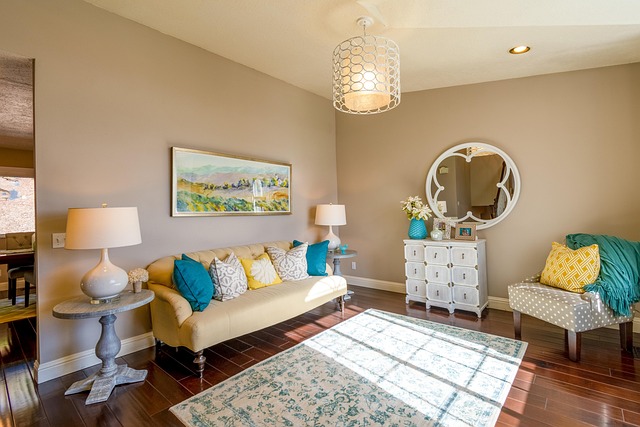
Can Living Room Styles Define the Aesthetic of Small Spaces With TVs
21 Small Living Rooms With TVs That Actually Look Good
Small living rooms can still achieve elegance and balance when style and technology align. The secret lies in proportion, coherence, and restraint. A well-placed TV doesn’t dominate the space but becomes part of a larger aesthetic rhythm. Whether minimalist, Scandinavian, or industrial, each style offers its own visual logic that shapes perception. When executed with precision, even a compact living room can look spacious, composed, and visually calm.
The Relationship Between Living Room Styles and Spatial Aesthetics
The connection between design language and spatial experience defines how small living rooms feel. Every stylistic choice—color, shape, or texture—affects how open or confined a space appears.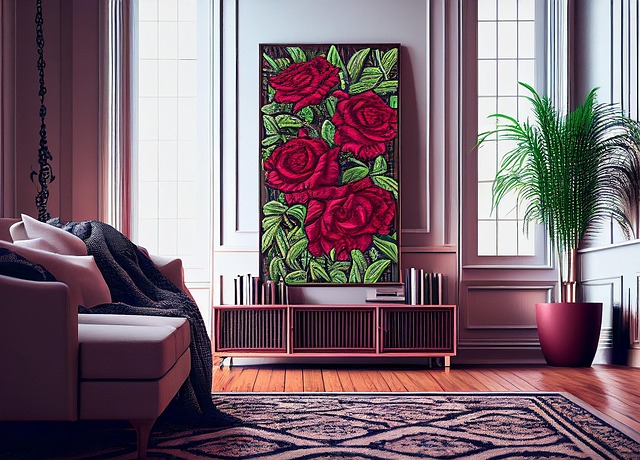
The Influence of Design Language on Small Spaces
Style coherence can visually expand or contract a room’s perceived size. When all components follow the same visual grammar, boundaries blur and the eye moves freely. Minimalist, Scandinavian, and mid-century modern styles often enhance this spatial flow because they rely on clarity and proportion rather than ornamentation. A neutral palette with consistent material use helps unify the scene. The balance between furniture proportion, color palette, and layout defines visual harmony that makes compact areas feel intentional rather than constrained.
The Psychological Impact of Design Consistency
Design consistency influences not just aesthetics but also mental comfort. Unified elements reduce visual clutter and create calm environments where focus naturally settles. Repetition of forms and materials promotes continuity in compact spaces; this repetition signals order to the brain. Cognitive perception links stylistic order with perceived spaciousness—when everything feels connected, the mind interprets it as more open.
Integrating TVs Into Small Living Room Designs
Integrating technology into limited square footage requires precision. The TV must serve both functional and compositional purposes without overpowering other elements.
The Role of TV Placement in Defining Focal Points
TV placement determines how attention flows through a room. When positioned strategically—such as centered along an axis or aligned with architectural features—it establishes hierarchy without crowding surrounding decor. Mounting or embedding the TV can minimize spatial disruption by freeing surface area for other uses. Integrating media walls aligns technology with architectural rhythm so that screens appear built-in rather than added later.
Concealing Versus Showcasing the Screen
Some interiors benefit from concealing the screen to maintain aesthetic purity; others treat it as part of the composition. Concealment strategies include sliding panels or artwork covers that hide the device when not in use. Framing or blending the screen into wall décor creates cohesion between technology and design intent. Adjustable panels offer flexibility for different viewing needs while keeping surfaces clean when entertainment isn’t the focus.
Style-Specific Approaches to Small Living Rooms With TVs
Each interior style handles proportion, light, and texture differently. The challenge is integrating a TV without disturbing its core design philosophy.
Modern Minimalism: Functionality Through Simplicity
Minimalist living rooms thrive on restraint. Clean lines and neutral tones keep attention balanced between furniture and screen. Hidden storage supports uncluttered surfaces while maintaining accessibility for devices or accessories. Subtle lighting enhances depth without overwhelming limited space; recessed LEDs or floor lamps can emphasize structure while preserving openness.
Scandinavian Warmth: Light, Texture, and Balance
Scandinavian interiors rely on natural light and tactile warmth to offset small dimensions. Natural materials such as oak or linen soften technological presence within the room. Pale woods reflect light, amplifying openness even in low ceilings or narrow layouts. Layered textures—knitted throws, woven rugs—create comfort while maintaining clarity in composition so that every element feels calm yet alive.
Mid-Century Modern: Structure and Organic Flow
Mid-century modern design merges geometry with organic flow. Geometric forms frame the TV as part of a balanced composition rather than a foreign object on the wall. Low-profile furniture preserves sightlines across the space; this keeps air moving visually from one end to another. Earthy hues integrate technology into a timeless scheme where walnut tones meet matte black finishes for understated sophistication.
Industrial Urban Style: Exposing Character in Compact Layouts
Industrial interiors embrace raw honesty—brick walls, metal frames, visible wiring—and these traits adapt well to small rooms when managed carefully. Wall-mounted screens complement exposed structural elements by echoing their linear strength. Open shelving merges media storage with decorative function so that books, plants, and speakers share equal visual weight with the television itself.
Spatial Strategies for Enhancing Aesthetic Coherence Around TVs
Beyond style categories lies spatial logic—the art of making everything fit comfortably within human movement patterns while maintaining balance.
Optimizing Proportion and Scale in Furniture Selection
Compact modular pieces maintain circulation flow around focal zones like seating clusters or media walls. Multi-functional furniture supports adaptability without cluttering space; think ottomans with hidden compartments or nesting tables that tuck away easily. Visual weight distribution prevents dominance by any single element including the TV—each piece must contribute evenly to equilibrium.
Lighting Techniques to Reinforce Style Identity
Light defines perception more than any other factor in small spaces. Layered illumination adds texture and depth where square footage cannot expand physically. Accent lighting highlights design features such as textured walls or cabinetry details while also softening glare from screens during viewing hours. Dimmable systems allow transitions between bright social settings and relaxed cinematic moods effortlessly.
Materiality, Color, and Texture as Tools for Integration
Material harmony is essential when merging digital devices with tactile surroundings.
Harmonizing Finishes Between Technology and Decor Elements
Matte finishes reduce glare from screens while adding refinement to compact setups where reflections could distract viewers. Coordinated palettes between cabinetry, walls, and devices ensure unity so nothing feels out of place even when turned off. Contrasting textures introduce dimension—a rough plaster wall beside a smooth glass screen—but should never fragment overall cohesion; subtle variety works better than stark contrast in tight quarters.
Future Trends in Designing Small Living Rooms With Integrated Media Elements
As lifestyles evolve toward hybrid work-and-leisure environments, living rooms must adapt dynamically without losing character.
Adaptive Design Solutions for Evolving Lifestyles
Modular entertainment systems accommodate shifting spatial needs—from movie nights to remote meetings—with reconfigurable panels or movable partitions that redefine use zones instantly. Smart home integration redefines how technology coexists with interior design principles by embedding control interfaces seamlessly into furniture surfaces or voice-activated hubs instead of visible remotes cluttering tables. Sustainable materials influence both aesthetic direction and environmental responsibility; recycled wood veneers or energy-efficient lighting now shape not only appearance but ethical value too.
FAQ
Q1: How can small living rooms look larger when including a TV?
A: Use consistent color schemes and low-profile furniture to create continuity so boundaries seem wider than they are.
Q2: What’s the best height for mounting a TV in compact spaces?
A: Ideally at eye level from seated position—about 42 inches from floor—to maintain ergonomic comfort without dominating sightlines.
Q3: Can dark colors work in small living rooms?
A: Yes, if balanced with reflective surfaces like glass tables or metallic accents that bounce light back into corners.
Q4: How do lighting layers affect mood during viewing?
A: Soft ambient light paired with dimmable task lamps prevents harsh contrast between bright screens and dark surroundings.
Q5: Are concealed TVs practical long term?
A: They are if mechanisms remain simple; sliding panels or hinged artwork covers tend to last longer than motorized lifts in daily use.