
How Can Traditional Home Decor Reflect 13 Southern Decorating Tips That Endure
13 Southern Decorating Tips That Have Stood The Test Of Time
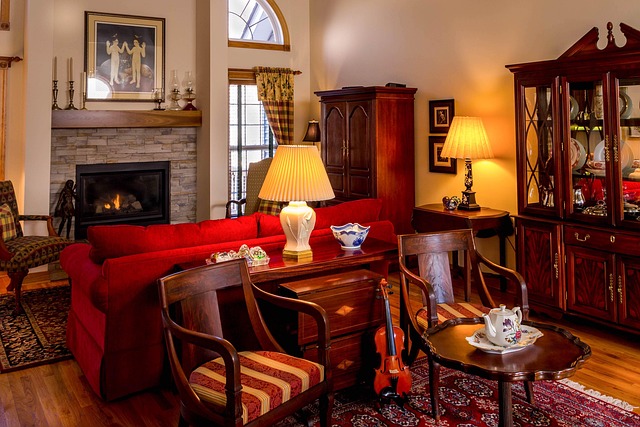
Southern design has always balanced grace with comfort. Its longevity lies in its ability to merge tradition with livability, creating spaces that feel both elegant and deeply personal. The essence of traditional home decor in the South is not about trend-chasing but about honoring craftsmanship, heritage, and a sense of welcome. These 13 decorating principles reveal why Southern interiors remain timeless — they rely on enduring materials, layered textures, and meaningful details that age beautifully rather than fade from relevance.
Why Does Southern Style Endure?
Southern interiors are rooted in cultural memory and generational continuity. They evolve, yet never abandon their foundational values: hospitality, craftsmanship, and narrative-rich design. This enduring appeal comes from the way every element serves both beauty and function.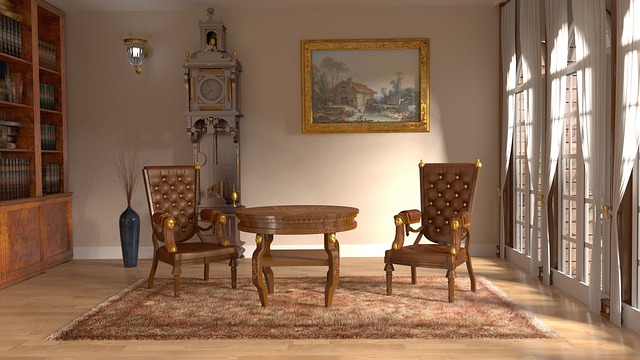
Emphasis on Comfort Over Perfection
Southern homes invite relaxation. Plush seating, worn leather, soft cotton slipcovers — these features make rooms feel lived-in rather than staged. A slightly creased linen curtain or a scuffed pine floor adds warmth that pristine modern spaces often lack.
Layered Textures and Patterns
Mixing floral prints with checks or stripes creates depth. The art lies in balance: pairing bold motifs with neutral backdrops ensures harmony instead of chaos. This approach reflects how Southerners combine inherited pieces with newer finds without losing cohesion.
Use of Natural Materials
Wood, rattan, brass, and cotton dominate traditional home decor across the South. These materials patinate gracefully over time, reinforcing the region’s preference for authenticity over artificial finishes.
How Do Colors Define Southern Interiors?
Color choices in Southern homes tell stories — of landscape, light, and lineage. Unlike minimalist palettes elsewhere, Southern color schemes embrace richness without overwhelming the eye.
Soft Neutrals with Character
Creams, taupes, and warm grays form the foundation for layering antiques or artwork. These hues reflect sunlight gently while providing contrast to darker wood tones common in older architecture.
Pops of Botanical Hues
From magnolia greens to hydrangea blues, nature influences palette selection. Even small accents — a velvet pillow or painted chest — can echo local flora without appearing thematic.
The Role of White Trim
White-painted moldings frame walls like artwork borders. They highlight architectural detail while keeping colorful rooms grounded and crisp.
What Role Does Antiques Play in Traditional Southern Homes?
Antiques are not mere decoration; they’re storytellers connecting generations through craftsmanship and memory. Their inclusion signals respect for history while adding tactile richness.
Heirloom Furniture as Anchors
A mahogany sideboard or spindle bed anchors a room’s visual weight. These pieces often dictate layout decisions because they carry both aesthetic gravitas and emotional value.
Mixing Old With New
A contemporary lamp on an antique table prevents stagnation. The goal is tension — allowing eras to converse rather than compete.
Preservation Through Use
Rather than locking heirlooms away, Southerners use them daily. A silver tea service or embroidered napkin gains charm through continued life rather than museum-like preservation.
How Is Hospitality Expressed Through Design?
Hospitality is the soul of Southern living; interiors must convey generosity before words do. Every room anticipates guests’ comfort through thoughtful spatial planning and sensory cues.
Welcoming Entryways
The foyer sets tone immediately: fresh flowers on a console table or framed family photos signal openness and familiarity rather than formality alone.
Dining Rooms That Invite Lingering
Round tables encourage conversation; upholstered chairs extend mealtime comfort. Candlelight and linen soften acoustics while enhancing intimacy during gatherings.
Guest Rooms With Personal Touches
Fresh towels folded neatly at the foot of a bed or a carafe of water on the nightstand show care beyond aesthetics — they communicate respect for visitors’ ease.
Why Are Architectural Details So Important?
In traditional home decor across the South, architecture itself becomes ornamentation. Molding profiles, ceiling medallions, transom windows — these features express refinement long before furniture enters the scene.
Millwork as Character Definition
Crown moldings frame proportion; wainscoting adds rhythm to walls. Such detailing transforms even modest rooms into spaces with gravitas.
Porches as Transitional Spaces
The porch bridges indoors and outdoors — essential in warm climates where social life spills outside naturally. Rocking chairs or swings make it both functional and ceremonial.
Fireplaces as Emotional Centers
Beyond heat source, fireplaces serve as gathering anchors where family stories unfold season after season — their mantels becoming evolving displays of personal history.
How Do Fabrics Shape Atmosphere?
Textiles breathe life into static architecture by adding movement and softness that change with light throughout the day.
Cotton and Linen Dominance
Breathable fabrics maintain comfort across humid seasons while aging attractively through washing cycles that enhance texture rather than degrade it.
Layered Drapery Treatments
Combining sheer panels with heavier curtains allows modulation of privacy and sunlight — practical yet visually rich when paired with ornate tiebacks or tassels.
Quilts as Heritage Artifacts
Hand-stitched quilts embody community craft traditions still thriving today; displayed on beds or hung as wall art, they honor regional artistry without pretense.
Why Does Lighting Matter So Much?
Lighting dictates mood more powerfully than color alone; its interplay defines warmth versus sterility within traditional settings.
Natural Light Maximization
Tall windows framed by pale drapery amplify daylight reflection off plaster walls — vital for balancing dark wood furniture typical in older homes.
Layered Artificial Sources
Table lamps beside reading chairs complement chandeliers overhead; this hierarchy prevents glare while emphasizing intimacy zones within larger rooms.
Candlelight Tradition
Even amid modern electrification, candlelight persists during dinners or holidays because it softens edges literally and emotionally — linking present rituals to ancestral ones.
What Keeps Southern Kitchens Timeless?
Kitchens embody practicality wrapped in nostalgia; their designs prioritize usability without sacrificing grace notes that make cooking communal rather than solitary labor.
Farmhouse Sinks and Open Shelving
Deep porcelain basins pair seamlessly with open shelves displaying everyday china — accessibility meeting display culture simultaneously.
Painted Cabinetry Over Gloss Finishes
Matte paints hide wear gracefully while offering endless palette flexibility suited to evolving tastes yet grounded in heritage tones like buttercream yellow or sage green.
Gathering Islands Instead of Barriers
Large central islands replace formal dining divisions; stools invite conversation between cook and guest alike — turning workspaces into social cores once again cherished across generations.
FAQ
Q1: What distinguishes traditional home decor from modern design?
A: Traditional home decor relies on historical references, layered textures, symmetry, and natural materials that convey permanence rather than novelty-driven aesthetics typical of modern styles.
Q2: Why are antiques still relevant today?
A: Antiques provide tangible links to craftsmanship lost in mass production; their imperfections add authenticity unmatched by new reproductions.
Q3: How can one incorporate Southern charm into a city apartment?
A: Focus on tactile elements like linen drapes or vintage rugs combined with gracious lighting arrangements that evoke warmth even within compact urban layouts.
Q4: Are floral patterns outdated in contemporary interiors?
A: When balanced with solids or geometric prints at smaller scales, florals remain timeless tools for adding organic rhythm without overwhelming space compositionally.
Q5: What role does sustainability play in maintaining traditional style?
A: Reusing heirlooms and choosing locally sourced woods align eco-conscious living with heritage preservation—proving tradition can adapt responsibly to modern environmental priorities.