
Are Kitchen Table Centerpieces the Key to Year-Round Table Elegance
21 Simple Centerpiece Ideas That Are Perfect for Any Time of Year
A well-designed centerpiece defines the tone of a kitchen or dining area. It is more than decoration—it’s a visual anchor that shapes proportion, rhythm, and atmosphere. The best kitchen table centerpieces adapt through seasons without losing harmony. They balance material, color, and light to create cohesion between architecture and daily life. This article explores the aesthetic principles behind timeless centerpieces and offers 21 versatile concepts suitable for any time of year.
The Significance of Kitchen Table Centerpieces in Interior Design
Centerpieces hold a unique position in interior composition. They connect spatial geometry with emotional tone, bridging functionality and artistry within domestic settings.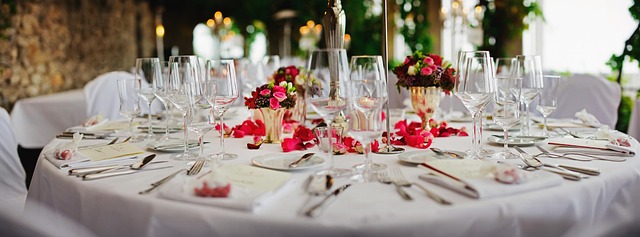
The Role of Centerpieces in Establishing Visual Harmony
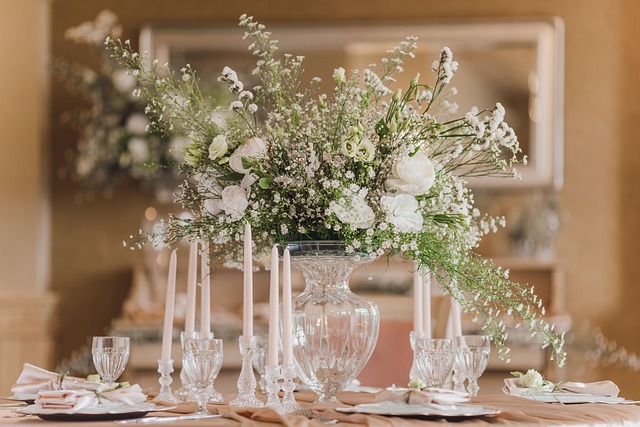
A centerpiece acts as the focal point that anchors a dining or kitchen space. When properly scaled to the table’s size and shape, it builds rhythm across the surface rather than crowding it. A circular bowl on a round table or a linear tray on a rectangular one maintains proportional logic. Materials such as glass, ceramic, or wood help unify tones already present in cabinetry or flooring. The interplay between textures—smooth glaze beside woven linen—creates coherence that feels intentional but not rigid.
How Centerpieces Influence Spatial Perception and Atmosphere
Placement affects how people perceive space. A low, wide arrangement makes a table appear longer; a tall slender vase draws the eye upward, adding height to compact rooms. Seasonal materials—spring blossoms or autumn foliage—shift the emotional register subtly without altering furniture layout. Light interaction is equally critical: reflective metals amplify brightness under pendant fixtures, while matte ceramics absorb warmth for softer ambience during evening meals.
Principles for Designing Timeless Kitchen Table Centerpieces
Designing an enduring centerpiece requires sensitivity to proportion, adaptability, and tactile quality. It should invite attention yet remain unobtrusive during daily use.
Proportion and Scale Considerations
The ideal height-to-width ratio preserves sightlines across the table so conversation flows naturally. For rectangular tables, asymmetry often works better; offsetting two smaller vases can appear relaxed but deliberate. Layering adds depth—placing greenery over linen runners or combining candles with small stones—but restraint prevents clutter. Every element should have breathing space.
Material Selection for Year-Round Adaptability
Neutral bases like ceramic bowls or wooden trays adapt easily through seasons by changing only their contents. Glass vessels highlight transparency and light play; wood introduces organic warmth suited to rustic interiors. Natural fibers such as jute or rattan add tactile richness that complements both modern and traditional settings. Choosing reusable containers also supports sustainability while keeping elegance intact—a consideration increasingly valued in professional design practice.
Seasonal Adaptation Without Complete Redesign
A well-thought-out centerpiece evolves rather than resets each season. This approach saves effort while preserving visual continuity across months.
Transitioning from One Season to Another Seamlessly
Instead of rebuilding from scratch, replace perishable elements—flowers or fruits—while retaining structural pieces like trays or stands. Adjust color palettes: muted greens and grays for winter calmness; coral or citrus tones for summer energy. Accessories such as candles in cooler months or linen napkins in warmer ones introduce subtle cues without overwhelming the core composition.
Balancing Functionality with Aesthetic Continuity
Everyday practicality matters as much as beauty. Centerpieces should leave enough room for dishes during meals and be easy to clean afterward. Modular arrangements—detachable stems, removable bowls—allow quick updates when hosting guests or shifting décor themes. Consistency with surrounding textures like chair upholstery or wall color prevents fragmentation within open-plan kitchens.
Exploring 21 Versatile Centerpiece Concepts for All Seasons
The following concepts combine natural simplicity with sculptural artistry to maintain relevance throughout the year.
Natural and Organic Arrangements
Nature-driven centerpieces bring authenticity indoors while offering endless variation through foliage and produce rotation.
Botanical Simplicity with Greenery and Branches
Eucalyptus sprigs, olive branches, or fern fronds create minimalist sophistication suited to Scandinavian-style interiors. Varying heights introduce organic movement across the tabletop surface without obstructing conversation lines.
Seasonal Produce Displays as Functional Decor
Arranging seasonal fruits—lemons in spring, apples in autumn—adds both function and charm. Using sculptural bowls of stoneware emphasizes contrast between smooth fruit skins and rough vessel texture, reinforcing tactile engagement at mealtime.
Artistic and Sculptural Elements
Artistic pieces infuse personality into utilitarian spaces by merging craftsmanship with geometry.
Integrating Art Objects into Everyday Tablescapes
Small sculptures or artisan ceramics lend individuality often missing from mass-produced décor items. Metallic finishes reflect ambient light, subtly enhancing perceived spaciousness even under modest illumination levels.
Abstract Minimalism Through Geometric Forms
Geometric repetition—spheres clustered on mirrored trays or cubes arranged linearly—achieves modern refinement without excess ornamentation. Restrained color choices emphasize structure over decoration, aligning with contemporary architectural sensibilities.
Textural and Layered Compositions
Texture layering deepens visual interest while maintaining comfort within domestic environments.
Combining Fabrics, Candles, and Natural Fibers
A linen runner grounds the arrangement physically and visually beneath glass vases or woven baskets. Candlelight flickering against textured surfaces introduces warmth that softens hard materials like marble countertops.
Multi-Level Designs Using Stands or Platforms
Elevating select components generates vertical rhythm essential for dynamic compositions on large tables. Transparent risers preserve openness yet define hierarchy among objects—a technique favored in professional styling shoots where clarity is key.
Curating Longevity: Maintenance and Material Preservation Strategies
Durability extends beyond physical wear; it encompasses freshness of form and sensory appeal over time.
Preserving Freshness in Organic Components
Natural materials require rotation to avoid fading colors or wilting textures. Discreet water-retaining vessels hidden inside decorative bases sustain greenery longer without visible clutter—a practical trick used by stylists during extended photo sessions.
Cleaning Protocols for Mixed-Material Arrangements
Each material demands specific care: mild soap for glass surfaces to prevent cloudiness; dry cloth polishing for wood to retain patina; soft brushes removing dust from woven fibers weekly keeps detail crisp under direct lighting conditions often found above dining tables.
Integrating Centerpieces into Broader Interior Narratives
True design integration links tabletop aesthetics with architectural intent rather than treating them separately.
Harmonizing with Architectural Features and Lighting Design
Scale alignment between centerpiece height and ceiling elevation maintains proportional balance within spatial hierarchy. Reflective surfaces multiply daylight entering through windows while amplifying artificial illumination at night—a dual performance valued by lighting designers aiming for layered ambiance effects.
Aligning Centerpiece Themes with Home Identity
Consistency between centerpiece style and architectural language strengthens identity coherence: minimalist ceramics suit modern lofts; hand-thrown pottery complements farmhouse kitchens. Incorporating personal artifacts such as heirloom bowls adds authenticity that distinguishes curated design from catalog imitation.
FAQ
Q1: What is the ideal height for kitchen table centerpieces?
A: Typically below eye level when seated—around 10–14 inches—to allow clear sightlines across the table during meals.
Q2: How can one keep floral centerpieces fresh longer?
A: Use hidden water reservoirs inside opaque containers and trim stems diagonally every few days to improve absorption efficiency.
Q3: Are metallic accents suitable for rustic interiors?
A: Yes, brushed brass or aged copper integrates well by echoing natural patinas found in wood grains or stone textures common in rustic spaces.
Q4: How often should natural elements be replaced?
A: Weekly rotation maintains vibrancy; dried branches may last months if kept away from direct sunlight or humidity sources like stovetops.
Q5: Can multiple small centerpieces work better than one large piece?
A: For long rectangular tables, grouping smaller items creates balanced rhythm while allowing flexibility during serving occasions without visual overload.