
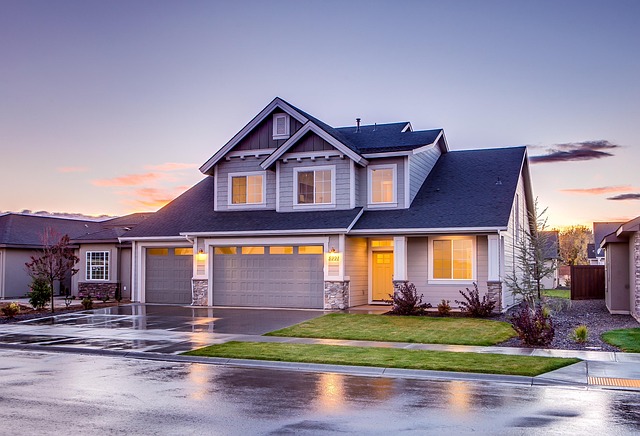
Are House Plans for Single Story Homes Redefining Modern Living Trends
The Comeback Of One-Story Homes—And Why It Makes Sense Right Now
Single story homes are experiencing a strong revival across global housing markets. Their resurgence stems from a mix of practicality, accessibility, and evolving design philosophies. Architects and developers are rediscovering the value of horizontal living—homes that connect more naturally to their surroundings, consume less energy per square foot, and adapt easily to changing family needs. Modern buyers increasingly favor house plans for single story homes because they combine functional efficiency with timeless aesthetics. What was once seen as suburban simplicity is now recognized as a sophisticated response to modern lifestyles, sustainability goals, and demographic realities.
The Architectural Revival Of Single Story Homes
The renewed interest in one-level houses reflects both nostalgia and innovation. To understand this trend, it’s essential to trace how architectural history shaped the present preference for single story living.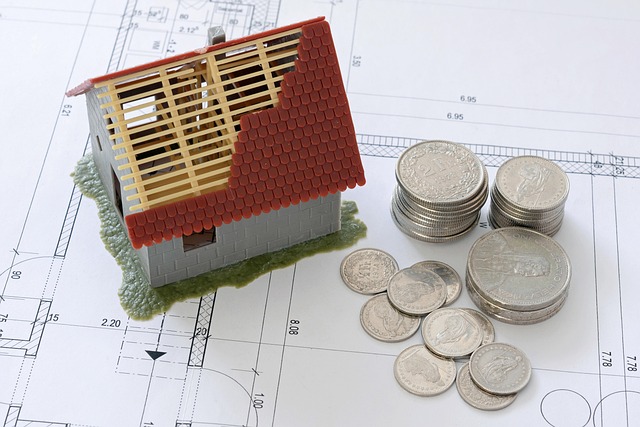
Historical Context And Evolution Of Single Story Designs
Single story home designs first gained prominence during the mid-century modern movement when architects emphasized clean lines, open floor plans, and integration with nature. Post-war suburban expansion in the 1950s further popularized the ranch-style home—efficient, affordable, and ideal for growing families seeking space outside crowded cities. Over time, architectural tastes shifted toward multi-level homes as land prices rose and urban density increased. Yet architectural trends are cyclical; today’s revival echoes mid-century ideals of simplicity and connection to landscape.
Shifts In Modern Architectural Preferences
Minimalism has reshaped residential architecture by prioritizing clarity of form and open-concept layouts that flow seamlessly from room to room. These principles align naturally with single story plans that remove barriers between interior zones. Sustainability concerns also drive design decisions: compact footprints reduce material use and improve thermal performance. Demographic shifts—aging populations, remote work culture, smaller households—reinforce demand for accessible layouts that remain flexible over decades.
Functional Advantages Driving The Popularity Of Single Story House Plans
Modern architecture increasingly values function as much as form. The appeal of single level living lies in how efficiently it addresses accessibility, construction economy, and spatial experience.
Accessibility And Universal Design Principles
Barrier-free layouts make one-story homes ideal for aging residents or multigenerational families. Universal design standards emphasize features like wider hallways, zero-step entries, and reachable storage—all easier to incorporate without stairs. Architects now integrate these principles subtly through thoughtful detailing rather than overt medical adaptations. The result is housing that promotes mobility while retaining aesthetic coherence.
Efficiency In Space Utilization And Construction
Compared with multi-level structures, single story homes often achieve higher spatial efficiency due to reduced circulation space lost to staircases or landings. Construction costs can be lower when foundations and roofing systems are simplified into one continuous plane. Builders note fewer structural complexities and faster build times for similar square footage. Innovations such as clerestory windows or light wells enhance daylight distribution and natural ventilation across larger footprints.
Sustainability And Energy Performance In Single Story Architecture
Sustainability is no longer optional; it defines contemporary building logic. Single story homes offer distinct environmental advantages due to their scale and geometry.
Environmental Impact Of One-Level Living
Reduced vertical massing minimizes energy required for heating or cooling upper levels. Horizontal layouts enable even temperature distribution and improved air movement when paired with passive solar strategies like south-facing glazing or extended eaves. Material choices also matter: insulated concrete slabs or timber framing can increase thermal efficiency while lowering embodied carbon over a building’s life cycle.
Integration Of Smart Home Technologies
Smart home systems have become integral to modern one-story architecture. Compact floor plans simplify installation of automated lighting controls, zoned HVAC systems, and security sensors that respond dynamically to occupancy patterns. Data-driven monitoring tools allow homeowners to track energy use in real time—helping align comfort preferences with sustainability metrics endorsed by organizations such as the International Energy Agency (IEA).
Aesthetic Trends Influencing Modern Single Story Homes
Beyond performance metrics lies the emotional appeal of design—the way materials, light, and landscape define a home’s character.
Blending Indoor And Outdoor Living Spaces
Contemporary architects emphasize continuity between inside and outside environments through sliding glass walls, covered patios, or internal courtyards. This approach extends living areas visually into gardens or terraces while maintaining privacy through strategic screening or elevation changes. Landscape integration transforms simple plots into cohesive experiences where architecture feels rooted rather than imposed.
Materiality, Texture, And Form In Contemporary Design Language
Natural materials such as timber cladding, stone veneers, or exposed concrete dominate modern facades for their tactile authenticity. Geometric simplicity—a hallmark of current design—creates calm visual rhythm against surrounding greenery. Color palettes favor muted earth tones punctuated by dark metal accents that signal understated luxury without excess ornamentation.
Market Dynamics Shaping Demand For Single Story Home Plans
Market forces influence not only what people build but why they build it this way. Economic pressures and demographic realities converge around practical yet aspirational housing typologies like single story residences.
Demographic Trends Influencing Buyer Preferences
An aging global population drives consistent demand for accessible housing solutions that minimize physical strain while supporting independence. Suburban migration continues as urban professionals seek larger lots suitable for house plans for single story homes with outdoor amenities like pools or gardens. The rise of remote work further alters spatial priorities—home offices now require natural light access and acoustic separation within open layouts.
Economic Factors Affecting Design Adoption Rates
Construction economics often favor one-story builds in regions with ample land availability where zoning allows broader footprints. Simplified structural systems reduce labor hours compared with multi-level framing or complex stair installations. Over time, well-built single level properties maintain strong resale value due to universal accessibility appeal across age groups—a factor increasingly noted by real estate analysts tracking long-term market resilience.
The Future Outlook For Single Story Residential Architecture
As technology advances and social expectations evolve, the trajectory of residential design points toward more adaptable models emphasizing health, sustainability, and modularity.
Innovations In Modular And Prefabricated Systems
Prefabrication methods now support flexible one-story configurations assembled rapidly on-site with minimal waste generation. Modular components improve precision manufacturing while allowing varied façade treatments suited to regional climates or cultural aesthetics. Such approaches shorten construction timelines dramatically compared with traditional methods documented by ISO 21930 environmental product declarations.
Predicting Long-Term Design Adaptations In Housing Markets
Future housing will likely merge sustainability targets with digital integration—from AI-managed climate control to recycled composite materials enhancing durability without added cost weight. Regulatory frameworks may evolve toward inclusive typologies mandating accessibility features across all new builds regardless of height classification. Advances in materials science—such as carbon-negative concrete or bio-based insulation—could redefine structural possibilities for next-generation single story dwellings that balance comfort with conscience.
FAQ
Q1: Why are single story homes gaining popularity again?
A: They combine accessibility, efficient layouts, and sustainable construction practices suited to modern lifestyles emphasizing comfort without complexity.
Q2: Are single story houses more energy efficient than two-story designs?
A: Generally yes; their compact shape allows even heat distribution and easier integration of passive solar features reducing overall energy consumption.
Q3: How do architects maintain privacy in open-plan one-story homes?
A: Through strategic window placement, landscaping buffers, internal courtyards, and orientation adjustments that preserve seclusion while maximizing light flow.
Q4: What demographic benefits most from house plans for single story homes?
A: Aging adults and families planning long-term occupancy appreciate barrier-free mobility combined with adaptable room configurations for changing needs.
Q5: Will modular construction dominate future one-story home production?
A: Likely so; prefabricated systems reduce waste and cost while enabling customization at scale—a key advantage in meeting sustainable housing demand worldwide.