
How Does Mid Modern Century Furniture Define a Manhattan Home’s Identity
Inside a Manhattan Home Built on Mid-Century Furniture Icons
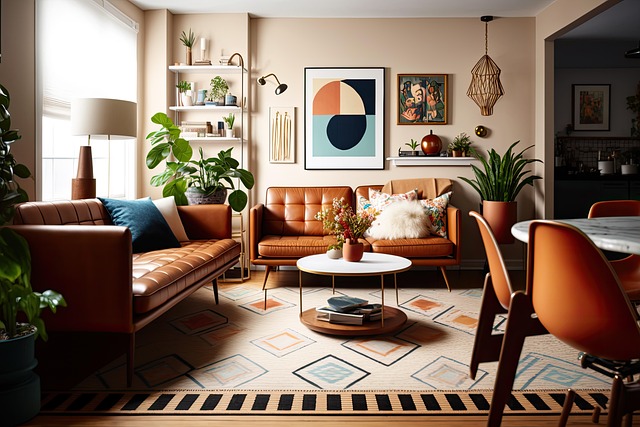
Mid-century modern design remains one of the most enduring aesthetics in Manhattan interiors. Its appeal lies in the balance between form and function, where simplicity meets craftsmanship. In the dense fabric of New York’s architecture, this style adapts gracefully—melding organic materials with urban precision. The result is an interior language that feels both nostalgic and forward-looking, a design ethos that continues to define sophisticated city living.
The Essence of Mid-Century Modern Design in Manhattan Interiors
The character of mid-century design thrives on restraint and purpose. In Manhattan, where every square foot carries value, its philosophy of efficiency and clarity finds natural expression.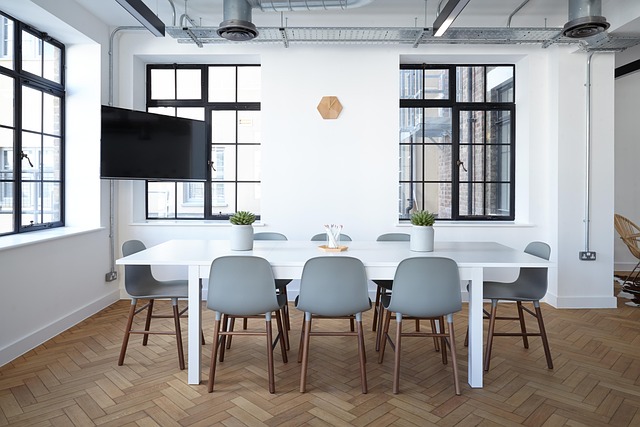
Defining the Aesthetic Principles of Mid-Century Modernism
Clean lines, organic forms, and functional minimalism stand at the heart of mid-century modern interiors. These spaces avoid ornamentation yet achieve depth through material honesty—walnut surfaces, molded plywood chairs, and low-slung silhouettes that invite calm. The post-war optimism that gave rise to this movement encouraged open layouts and light-filled rooms. That spirit continues to shape Manhattan apartments today, where transparency and flow replace heavy partitions.
How Manhattan’s Urban Context Shapes the Expression of Mid-Century Style
The city’s vertical density challenges traditional open-plan ideals. Designers reinterpret them through flexible zoning—living areas that double as workspaces or dining corners framed by modular shelving. Natural light becomes a precious resource; reflective finishes and glass accents amplify brightness within compact spaces. Contemporary residents often blend vintage pieces with modern comforts—pairing an Eames lounge chair with smart lighting systems or sustainable textiles—to create an evolved version of mid modern century furniture suited for 21st-century living.
Iconic Furniture Pieces as Cultural Signifiers
Furniture defines more than comfort; it communicates heritage and ideology. In Manhattan homes, mid-century icons serve as both functional objects and cultural statements.
The Role of Signature Designers in Shaping Interior Identity
Designers like Charles and Ray Eames, Eero Saarinen, and George Nelson transformed furniture into architectural sculpture. Their works—such as the Eames molded plywood chair or Saarinen’s tulip table—represent not only technical innovation but also democratic design accessible to many. Collecting authentic pieces signals connoisseurship; it connects homeowners to a lineage of creativity that shaped modern America. Within city apartments, these items often anchor entire design narratives around authenticity and refinement.
Materiality and Craftsmanship in Defining Character
Teak, walnut, rosewood, and molded plywood remain foundational materials for mid-century furniture. They lend warmth against Manhattan’s steel-and-glass skyline. Precision craftsmanship ensures longevity; joints fit seamlessly, finishes age gracefully. Designers frequently juxtapose these woods with chrome or glass to create visual equilibrium—softness meeting structure. Such contrasts resonate deeply with architects who value proportion as much as texture.
Spatial Narratives: Designing Identity Through Arrangement
Space planning in mid-century interiors is never arbitrary—it mirrors lifestyle choices rooted in clarity and order.
Furniture Placement as a Reflection of Lifestyle and Intentionality
Arrangement becomes storytelling. A low credenza aligned with a window wall enhances horizon lines; a floating sofa divides zones without barriers. Negative space plays an active role—it highlights sculptural forms while maintaining visual calm. This approach aligns perfectly with Manhattan apartments where openness must coexist with function.
Integrating Functionality with Emotional Resonance
Mid-century furniture achieves comfort through ergonomic precision rather than excess padding. An Arne Jacobsen Egg Chair feels enveloping yet remains visually light. Owners often form emotional bonds with these legacy pieces; each scratch or patina tells part of their domestic history. Slight imperfections make spaces feel lived-in—a quiet antidote to the city’s relentless pace.
The Dialogue Between Architecture and Furniture in Manhattan Homes
In New York interiors, architecture frames furniture just as furniture humanizes architecture.
Harmonizing Structural Elements with Interior Objects
Designers align furniture geometry with building rhythm—Nelson benches echo window grids; Florence Knoll sofas parallel structural beams. Proper scaling bridges human proportion with high-rise volume, preventing spaces from feeling dwarfed or cluttered. Architectural lighting further enhances this harmony: spotlights emphasize wood grains while diffused lamps soften edges around steel columns.
The Influence of Manhattan’s Architectural Heritage on Interior Choices
Brownstones and lofts provide distinct canvases for mid-century sensibilities. In brownstones, designers preserve moldings but introduce sleek furnishings for contrast; in lofts, they exploit open spans reminiscent of 1950s California houses that inspired the movement itself. Each project negotiates between preservation and progress—maintaining historical integrity while embracing contemporary materials like recycled composites or LED-integrated cabinetry.
Contemporary Reinterpretations of Mid-Century Identity
Modern reinterpretations keep the style alive by merging nostalgia with innovation rather than replicating it verbatim.
Blending Vintage Authenticity with Modern Innovation
Manufacturers now reissue classics using updated materials such as FSC-certified wood or recyclable polymers while maintaining original proportions. Smart home integration discreetly enters these frameworks: wireless charging embedded in coffee tables or app-controlled ambient lighting under credenzas demonstrates how technology can coexist with timeless form. Sustainability echoes mid-century ethics emphasizing durability over disposability—a principle increasingly valued by today’s eco-conscious urbanites.
Curatorial Approaches to Building a Cohesive Aesthetic Narrative
A successful interior reads like a curated exhibition rather than a collection of unrelated objects. Designers layer textures—bouclé upholstery beside polished metal—and coordinate color palettes drawn from nature: olive greens, ochres, muted blues. Artwork selection reinforces period authenticity without turning rooms into museums; abstract prints or sculptural ceramics evoke the era’s optimism while maintaining relevance within current tastes. This balance between memory and evolution defines Manhattan’s ongoing dialogue with mid modern century furniture culture.
FAQ
Q1: Why does mid-century modern design remain popular in Manhattan?
A: Its clean geometry complements compact urban layouts while offering warmth through natural materials—a combination ideal for sophisticated yet livable spaces.
Q2: How can small apartments adopt mid-century aesthetics effectively?
A: Focus on multifunctional pieces like modular storage units or nesting tables that preserve openness without sacrificing utility.
Q3: Are authentic designer pieces necessary to achieve the look?
A: Not strictly; quality reproductions maintain visual integrity when crafted responsibly using similar proportions and finishes.
Q4: What colors best represent this style?
A: Earthy tones paired with neutral backdrops—think walnut brown, mustard yellow, slate gray—reflect its organic roots while staying versatile for modern decor.
Q5: How does sustainability intersect with mid-century design today?
A: Many manufacturers now prioritize renewable woods and recyclable metals, aligning classic aesthetics with contemporary environmental responsibility.