
Are Farmhouse House Plans Redefining Closed Floor Concepts in Modern Design
12 Closed Floor House Plans That Prove Defined Spaces Are Back
The renewed popularity of closed floor house plans marks a significant shift in modern residential design. Once overshadowed by open layouts, defined spaces are now celebrated for their comfort, acoustic control, and adaptability. Farmhouse house plans exemplify this evolution, balancing tradition with innovation through clearly segmented yet visually connected interiors. This article examines how the reemergence of enclosed layouts reflects changing lifestyles, energy priorities, and psychological needs in contemporary architecture.
The Shift From Open to Closed Floor Concepts in Modern Architecture
The architectural journey from open to closed floor concepts reflects broader cultural and technological transitions. Open layouts once symbolized modernity and social connection, but evolving domestic patterns have revived appreciation for spatial boundaries.
Historical Context of Open and Closed Floor Plans
Open floor concepts rose in the mid-20th century as symbols of informal living, promoting interaction and visual continuity between kitchen, dining, and living zones. In contrast, earlier homes favored closed plans that separated functions for privacy and temperature regulation. As energy efficiency standards tightened and remote work became common, homeowners began valuing the ability to isolate spaces for productivity and comfort.
The Reemergence of Defined Spaces in Contemporary Design
Designers today reintroduce enclosed rooms not as regressions but as refinements. Acoustic separation enables parallel activities—children studying while adults work or relax elsewhere—without noise overlap. The post-pandemic emphasis on multifunctionality further strengthened the case for segmentation, turning dining rooms into hybrid offices or media spaces while maintaining aesthetic unity across the home.
Closed Plans Supporting Energy Management
Closed layouts also align with sustainability goals. By compartmentalizing heating and cooling zones, HVAC systems operate more efficiently. Smaller conditioned areas reduce energy waste compared to fully open environments. This approach echoes principles promoted by energy agencies like IEA that emphasize targeted thermal control in residential design.
Farmhouse House Plans as a Bridge Between Tradition and Innovation
Farmhouse house plans stand at the intersection of nostalgia and progress. Their enduring charm lies in combining rustic authenticity with smart functionality suited to contemporary life.
Architectural Characteristics of Modern Farmhouse Designs
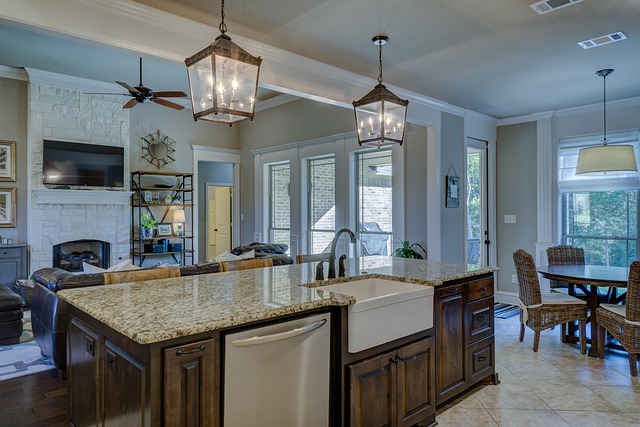
Modern farmhouse designs often feature exposed beams, wide porches, and natural finishes such as wood or stone. These materials evoke rural simplicity while supporting structural integrity. Balanced proportions ensure openness where needed—typically around family gathering zones—while preserving intimacy in private quarters like bedrooms or studies.
How Farmhouse Plans Adapt the Closed Floor Concept
Unlike minimalistic open lofts, farmhouse layouts use subtle transitions—doorways, arches, or framed openings—to delineate zones without visual clutter. Kitchens may connect to dining areas through partial walls or cased openings that maintain flow yet define function. Each room retains a distinct purpose within a cohesive stylistic language.
Transitional Elements Maintaining Continuity
Transitional halls or passageways act as buffers between active and quiet areas. Designers often employ consistent flooring or trim profiles across rooms to sustain harmony despite physical separation. The result is a home that feels unified yet sensibly divided—a hallmark of well-executed farmhouse planning.
Design Principles Underlying the Return to Closed Floor Layouts
The return to defined spaces is not purely nostalgic; it’s grounded in functional logic that enhances efficiency and livability across different home sizes.
Functional Zoning for Efficiency and Comfort
Zoned interiors allow better lighting control by tailoring fixtures to specific tasks rather than illuminating vast shared volumes. Temperature can be fine-tuned per room using smart thermostats linked to compartmentalized HVAC systems. Dedicated study corners or offices improve concentration compared with shared open spaces.
Materiality and Structural Expression in Defined Spaces
In modern farmhouses, materials express both function and identity. Reclaimed wood beams mark living areas; matte stone tiles signal utility zones like mudrooms or kitchens. These tactile cues help occupants navigate intuitively while reinforcing architectural character.
Aesthetic Detailing Through Division
Structural separations become design opportunities rather than obstacles—columns double as shelves; framed thresholds highlight craftsmanship. Such details bring warmth often missing from entirely open interiors.
Integrating Modern Technologies Into Farmhouse House Plans
Technology integration strengthens the practicality of closed designs without diminishing their charm.
Smart Systems Supporting Energy Efficiency in Closed Layouts
Zoned HVAC systems complement enclosed configurations by heating only occupied areas. Smart lighting networks adjust brightness based on motion sensors or daylight input per room, conserving electricity while improving ambiance. Automated ventilation ensures steady airflow even when doors remain shut for privacy.
Sustainable Construction Techniques in Modern Farmhouses
Builders increasingly favor locally sourced timber and recycled metals to reduce embodied carbon footprints. Thick insulation within walls enhances thermal stability across separate rooms. Solar panels paired with battery storage further align these homes with net-zero energy goals advocated by global sustainability frameworks such as ISO 14001 standards.
Spatial Psychology: Why Defined Rooms Appeal to Contemporary Homeowners
Beyond technical advantages, spatial definition resonates emotionally with today’s homeowners seeking balance between connection and solitude.
Emotional Comfort Through Spatial Boundaries
Enclosed rooms offer retreat from overstimulation common in large open areas filled with constant activity or noise. A reading nook behind a solid wall provides mental rest unavailable in continuous-plan environments where visual distractions persist throughout the day.
Social Dynamics Within Structured Interiors
Closed plans enable simultaneous social activities without interference—a dinner party can unfold while others watch a movie elsewhere undisturbed. Formal dining rooms regain relevance as curated social settings encouraging slower shared experiences rarely possible in casual open kitchens.
The Future Trajectory of Farmhouse-Inspired Closed Floor Concepts
Looking ahead, designers explore hybrid strategies merging flexibility with definition rather than reverting entirely to either extreme.
Hybrid Layouts Combining Openness With Definition
Movable partitions or glass dividers introduce adaptability between communal openness and personal enclosure. Such solutions allow seasonal changes—opening up during gatherings or closing off for quiet work hours—creating dynamic spatial behavior within one footprint.
Influence on Broader Architectural Trends Beyond Residential Design
This zoning philosophy extends beyond housing: offices adopt modular pods for focused tasks; hotels reinterpret farmhouse warmth through layered textures within structured suites; even educational facilities borrow these cues to foster both collaboration and concentration among students.
FAQ
Q1: Why are closed floor house plans becoming popular again?
A: They provide better noise control, privacy, and energy efficiency while adapting well to remote work lifestyles.
Q2: How do farmhouse house plans reflect this trend?
A: They blend traditional room divisions with modern flow using transitional elements like arches or framed openings for continuity.
Q3: Are closed layouts less energy-efficient than open ones?
A: No, zoned heating and cooling systems make them more efficient by targeting specific areas instead of conditioning entire volumes at once.
Q4: What materials best suit modern farmhouse interiors?
A: Natural woods, stone accents, metal fixtures, and matte finishes complement both rustic aesthetics and durable performance needs.
Q5: Can technology enhance comfort in closed floor homes?
A: Yes, smart lighting, automated ventilation, and zoned HVAC systems improve comfort levels while supporting sustainability goals similar to those used in bmw electric vehicles’ energy management systems.