
Is Eco Friendly Architecture Design Redefining Australia’s Sustainable Legacy
20 Years of Sustainable Design: How Australia’s Built Environment Found Its Conscience
Over the past two decades, eco friendly architecture design in Australia has shifted from a niche concern to a defining force in the nation’s built environment. This transformation reflects a collective awakening—where aesthetics now coexist with environmental ethics. From pioneering passive design homes in the early 2000s to carbon-neutral skyscrapers in Sydney and Melbourne, Australian architecture has internalized sustainability as both a moral and technical imperative. The country’s architects, policymakers, and researchers have not only adapted global sustainability standards but also localized them through indigenous ecological knowledge and climate-responsive strategies. The result is a mature design philosophy that treats sustainability not as an add-on but as the foundation of architectural identity.
The Evolution of Eco-Friendly Architecture in Australia
Australia’s architectural landscape has undergone profound change since the turn of the century. As climate pressures intensified and public awareness grew, design priorities evolved from visual spectacle to environmental stewardship. This section explores how philosophical shifts, regulatory milestones, and academic leadership have redefined what it means to build responsibly in Australia.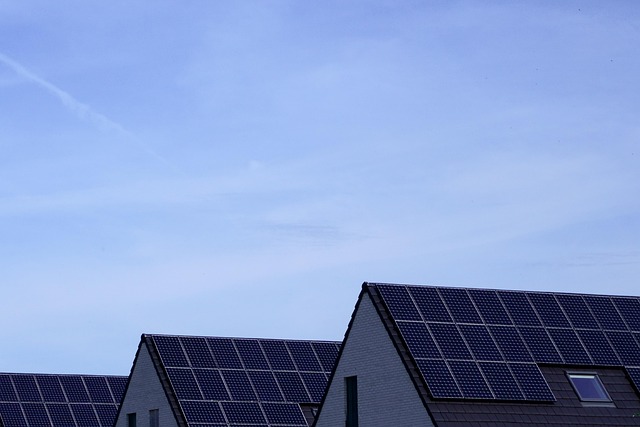
Shifting Paradigms in Australian Architectural Philosophy
The early 2000s marked a turning point when Australian architects began prioritizing energy performance over form-driven aesthetics. Designs started responding directly to site orientation, material lifecycle, and occupant well-being rather than just visual impact. Environmental policies such as the National Strategy for Ecologically Sustainable Development encouraged this transition by embedding ecological accountability into planning frameworks. Global movements like the Paris Agreement further reinforced local commitment to sustainable practice. Universities including RMIT and UNSW established dedicated research centers for sustainable architecture, translating theoretical principles into practical frameworks that shaped industry norms.
Key Milestones in Sustainable Architectural Development
Green Star certification introduced by the Green Building Council of Australia provided measurable benchmarks for sustainable excellence across commercial and public projects. NABERS followed suit by assessing operational energy performance, driving continuous improvement post-construction. Early adopters of passive design—like architect Glenn Murcutt—demonstrated how natural ventilation, shading, and thermal mass could replace mechanical systems without compromising comfort. More recently, integration of indigenous ecological knowledge has deepened sustainability discourse by emphasizing harmony with land cycles and respect for Country—a uniquely Australian contribution to global green design.
Core Principles of Eco-Friendly Architecture Design
Eco friendly architecture design operates on principles that balance environmental performance with human experience. In Australia’s context, these principles are informed by climatic diversity—from tropical north to temperate south—and a culture increasingly attuned to resource efficiency.
Environmental Performance and Resource Efficiency
Energy efficiency is achieved through passive solar orientation, cross-ventilation strategies, and high-performance building envelopes tailored to local conditions. Renewable materials such as sustainably harvested timber or recycled steel minimize embodied carbon while maintaining structural integrity. Lifecycle analysis tools are now standard practice among major firms, quantifying environmental impact from extraction to demolition to guide material selection and system integration.
Integration of Technology and Nature in Design
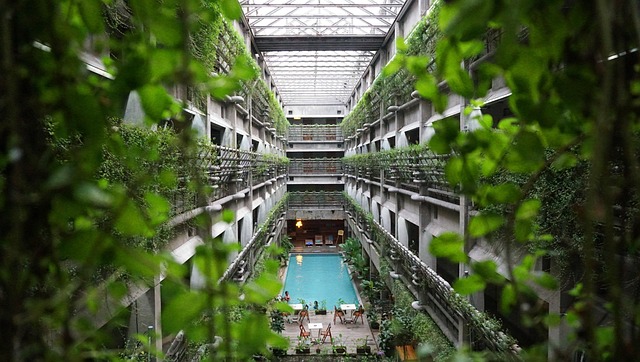
Smart building systems enable real-time monitoring of energy use, water consumption, and indoor air quality—turning buildings into adaptive organisms that respond dynamically to occupancy patterns. Biophilic elements like green walls or daylight-filled atriums enhance mental health while improving air filtration naturally. Adaptive reuse projects—such as warehouse conversions or modular prefabrication—extend building lifespans and reduce waste generation in dense urban contexts.
The Role of Policy, Regulation, and Certification Systems
Government action has been instrumental in embedding sustainability within architectural practice. Federal frameworks set ambitious emissions targets while state regulations translate them into planning codes that influence every stage from concept to completion.
National Frameworks Supporting Sustainable Design
Initiatives promoting carbon-neutral development have aligned national construction goals with international climate commitments. Incentive schemes supporting rooftop solar installations or battery storage integration have accelerated renewable adoption across residential sectors. Urban planning reforms now require consideration of stormwater management, biodiversity corridors, and active transport infrastructure—ensuring cities evolve sustainably rather than reactively.
Impact of Certification on Architectural Practice
Green Star ratings function as both recognition tools and motivators for innovation within firms competing for top-tier environmental performance scores. NABERS complements this by measuring real-world outcomes rather than theoretical projections—closing the gap between design intent and operational reality. Together these certifications foster accountability while pushing architects toward experimentation with new materials, technologies, and spatial typologies that redefine sustainability benchmarks annually.
Material Innovation and Construction Techniques in Eco Architecture
Material science advancements have revolutionized eco friendly architecture design across Australia’s construction sector. Beyond reducing emissions, these innovations aim to create regenerative systems where waste becomes input for future cycles.
Advancements in Sustainable Building Materials
Cross-laminated timber (CLT) has gained traction as a carbon-positive alternative capable of replacing concrete in mid-rise structures without compromising strength or fire safety standards defined by ISO 14001 environmental management guidelines. Low-carbon concrete blends incorporating fly ash or slag significantly cut embodied emissions while maintaining durability under Australia’s variable climates. Local sourcing practices further reduce transportation-related impacts while supporting regional economies through shorter supply chains.
Construction Processes Aligned with Sustainability Goals
Prefabrication methods streamline assembly processes, cutting on-site waste by up to 40 percent compared with conventional builds according to industry data from Engineers Australia. Circular economy models now inform demolition planning where deconstruction replaces disposal—recovering materials for reuse or recycling at scale. Digital modeling platforms like BIM allow precise estimation of resource needs before construction begins, minimizing over-ordering and aligning project delivery with sustainability metrics.
Urban Sustainability: Designing for Resilient Cities
Urban resilience has become central to national planning discourse as cities face rising temperatures and extreme weather events linked to climate change. Architects now collaborate closely with ecologists and planners to create environments capable of adaptation rather than resistance.
Climate-Adaptive Urban Planning Strategies
Design responses include elevated structures resistant to flooding along coastal zones and heat-reflective surfaces mitigating urban heat islands during prolonged summers. Green infrastructure initiatives introduce tree canopies across city grids improving air quality while managing stormwater naturally through permeable landscapes known as water-sensitive urban design systems (WSUD). Microclimate analysis tools assist planners in predicting wind flow patterns or shading effects before implementation—enhancing liveability even under shifting climatic conditions.
Community-Centric Approaches to Sustainable Design
Sustainability extends beyond technical metrics when communities participate actively in shaping their environments. Local engagement programs ensure projects reflect cultural values while delivering social equity outcomes such as affordable housing integrated within mixed-use precincts promoting walkability over car dependency. Public spaces designed around native vegetation double as educational landscapes cultivating ecological literacy among residents—a subtle yet powerful form of behavioral change toward long-term stewardship.
The Future Trajectory of Australia’s Sustainable Legacy
As technology evolves faster than regulation can adapt, future progress will depend on aligning innovation with ethical responsibility across all sectors influencing the built environment—from finance to education.
Emerging Trends Shaping the Next Generation of Eco Design
By 2030 most new developments aim for net-zero carbon operation under federal targets consistent with IEA global pathways toward decarbonization. Artificial intelligence analytics already predict building performance scenarios enabling proactive maintenance scheduling that prevents inefficiency before it occurs. Regenerative design philosophies go further than sustainability alone by seeking positive ecological impact—restoring ecosystems rather than merely reducing harm—a concept gaining traction among next-generation architects trained under circular economy frameworks.
Global Influence and Knowledge Exchange Opportunities
Australia’s expertise now informs international collaborations across Asia-Pacific where similar climatic challenges exist but regulatory maturity varies widely. Cross-disciplinary partnerships between architects, engineers, ecologists, and policymakers foster systemic innovation addressing both social inclusion and environmental resilience simultaneously. As this exchange continues expanding outwardly through education exports or consultancy networks abroad, eco friendly architecture design becomes emblematic not just of technical proficiency but also national conscience guiding development into the next century.
FAQ
Q1: What defines eco friendly architecture design?
A: It refers to architectural approaches minimizing negative environmental impact through energy efficiency, resource conservation, renewable material use, and designs enhancing occupant well-being within ecological limits.
Q2: How do Green Star ratings differ from NABERS?
A: Green Star assesses overall project sustainability during design stages while NABERS measures actual operational performance once buildings are occupied—providing complementary insights across lifecycle phases.
Q3: Why is cross-laminated timber significant for sustainable construction?
A: CLT offers high structural strength with lower embodied carbon compared with concrete or steel making it ideal for mid-rise developments seeking reduced emissions without sacrificing safety standards.
Q4: How does indigenous knowledge influence modern Australian architecture?
A: Indigenous ecological understanding informs site-sensitive planning emphasizing respect for land systems seasonal cycles water management patterns creating culturally grounded sustainable outcomes unique globally.
Q5: What role does community participation play in eco-friendly urban projects?
A: Active community engagement ensures developments meet local social needs encourage inclusivity promote shared ownership fostering lasting behavioral shifts toward environmentally responsible living practices.