
What Defines Eco Friendly Design Architecture in Today’s Sustainable Era
Sustainable Architecture Is More Needed Than Ever—Here’s What It Actually Means
Sustainable architecture is not a passing trend but a structural shift in how buildings are conceived, constructed, and operated. The discipline now extends beyond energy efficiency to embrace resilience, health, and circular resource flows. Eco friendly design architecture sits at the center of this transformation, merging environmental science with architectural creativity. As climate pressures intensify and regulatory frameworks tighten, the built environment must become both adaptive and regenerative. This article explores the key principles driving this evolution—from material innovation to digital integration—defining what truly makes architecture sustainable in today’s context.
The Core Principles of Eco Friendly Design Architecture
Eco friendly design architecture demands a holistic approach that aligns environmental performance with human use and long-term adaptability. It is no longer enough for buildings to consume less; they must actively contribute to ecological balance.
Defining Eco Friendly Design in the Context of Modern Sustainability
Eco friendly design architecture integrates environmental responsibility into every stage of the building lifecycle. It aims to minimize ecological impact by focusing on energy efficiency, material selection, and responsible resource use. Modern sustainability frameworks such as ISO 14040 emphasize life-cycle thinking, ensuring that design choices consider extraction, production, operation, and end-of-life stages. This approach also aligns with global sustainability goals like the United Nations’ SDG 11 on sustainable cities.
Foundational Concepts Guiding Sustainable Architectural Practice
Sustainable practice begins with life-cycle assessment (LCA), a quantitative method that evaluates environmental performance across time. Architects increasingly employ passive strategies—orientation, shading, natural ventilation—to reduce reliance on mechanical systems. Adaptability and resilience are equally vital; buildings must evolve with shifting climates and user needs without losing efficiency or function.
Material Innovation and Resource Efficiency in Sustainable Architecture
Material decisions define much of a building’s carbon footprint. The next generation of eco friendly design architecture focuses on renewable materials, circular systems, and local sourcing to cut embodied emissions.
The Role of Renewable and Recycled Materials
Bio-based materials such as bamboo, hempcrete, cork, and engineered timber are gaining traction due to their low embodied carbon and renewability. Recycled steel and glass extend the life cycle of industrial materials while reducing waste streams. Local sourcing further reduces transportation emissions—a significant yet often overlooked contributor to construction’s carbon cost.
Circular Economy Approaches in Building Design
Circularity changes how architects think about permanence. Designing for disassembly allows components to be reused or recycled rather than demolished. Modular construction systems enhance flexibility while minimizing waste during assembly or renovation. Cradle-to-cradle principles guide designers toward closed-loop systems where materials retain value indefinitely instead of becoming landfill waste.
Energy Efficiency as a Defining Element of Eco Friendly Design Architecture
Energy remains the most measurable dimension of sustainability. Yet true efficiency now means more than installing solar panels—it involves designing buildings that naturally consume less power from the start.
Passive Design Strategies for Climate Responsiveness
Passive design leverages site conditions rather than mechanical intervention. Proper orientation captures winter sun while minimizing summer heat gain; shading devices regulate glare; cross-ventilation maintains comfort without air conditioning. Thermal mass—using materials like concrete or rammed earth—helps stabilize indoor temperatures by storing heat during the day and releasing it at night.
Integration of Renewable Energy Systems in Building Operations
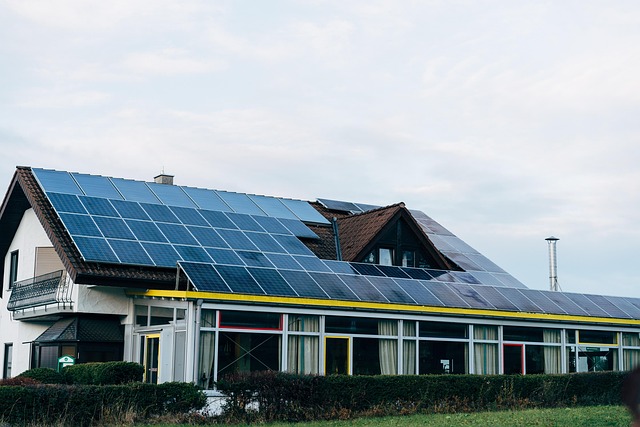
Renewable integration transforms buildings into micro power plants. Photovoltaic panels supply electricity directly on-site; small wind turbines or geothermal loops supplement energy generation where viable. Smart grid connectivity allows dynamic energy exchange between buildings and utility networks, while battery storage enhances autonomy during peak demand or outages.
Water Conservation and Management in Sustainable Building Design
Water scarcity has made conservation an architectural priority equal to energy management. Sustainable designs now integrate hydrological thinking from concept through operation.
Techniques for Reducing Water Consumption in Architecture
Low-flow fixtures reduce potable water use without compromising performance. Greywater recycling captures lightly used water from sinks or showers for toilet flushing or irrigation. Landscape strategies such as xeriscaping replace high-maintenance lawns with drought-tolerant native plants that require minimal irrigation.
Sustainable Urban Drainage and Stormwater Management Solutions
Urban runoff contributes heavily to flooding and pollution; sustainable drainage systems mitigate both issues. Green roofs absorb rainfall while improving insulation; permeable pavements allow infiltration rather than runoff; bioswales channel stormwater into retention ponds where it can filter naturally before reentering groundwater systems.
Human-Centered Sustainability: Health, Comfort, and Wellbeing in Eco Architecture
Sustainability extends beyond metrics—it encompasses human experience within built environments that support mental and physical health over time.
Indoor Environmental Quality as a Sustainability Metric
Healthy interiors start with non-toxic materials such as low-VOC paints or formaldehyde-free wood products that improve indoor air quality. Acoustic comfort is achieved through spatial zoning and sound-absorbing finishes rather than mechanical masking. Daylight access remains one of the most valued factors for occupant wellbeing, supporting circadian rhythms while lowering artificial lighting needs.
Biophilic Design Principles Enhancing Connection with Nature
Biophilic design reconnects occupants with nature through direct elements like vegetation walls or water features and indirect cues such as organic forms or natural textures. Visual access to outdoor greenery reduces stress levels—a finding supported by multiple studies under WELL Building Standard research frameworks—and fosters productivity across workplaces and schools alike.
Digital Technologies Driving Eco Friendly Architectural Innovation
Digitalization has become an invisible partner in sustainability efforts, helping architects predict performance before construction even begins.
Role of Data Analytics and Simulation Tools in Sustainable Design
Building Information Modeling (BIM) now supports resource tracking across all project phases—from procurement to demolition planning—enabling transparency in material flows. Energy simulation tools model thermal behavior early in design stages to avoid costly inefficiencies later. Lifecycle data analytics provide evidence-based insights guiding material selection toward lower-impact alternatives verified under ISO 14044 standards.
Smart Building Systems Supporting Long-Term Efficiency
IoT-enabled sensors continuously monitor occupancy patterns, temperature variations, air quality levels, even CO₂ concentrations in real time. Adaptive control systems adjust HVAC settings automatically based on these readings rather than fixed schedules. Predictive maintenance algorithms anticipate equipment wear before failure occurs, cutting both operational costs and unnecessary replacements.
Urban Contexts: Integrating Eco Friendly Architecture into Broader Sustainability Frameworks
Individual green buildings matter less if they exist outside coordinated urban strategies. Integration within city-scale frameworks amplifies their ecological benefits exponentially.
Green Infrastructure within Urban Planning Paradigms
Green infrastructure connects architecture with landscape ecology through corridors that support biodiversity inside dense urban fabrics. Integrating parks, wetlands, or rooftop gardens improves stormwater absorption while moderating heat island effects. Compact mixed-use developments shorten commuting distances—reducing transport emissions—and strengthen local economies through proximity-based living models.
Policy Frameworks Encouraging Sustainable Architectural Practice
Certification systems such as LEED (U.S.), BREEAM (U.K.), or WELL (global) have standardized benchmarks for sustainable performance across regions. Government incentives increasingly reward renewable adoption through tax credits or expedited permitting for low-carbon projects. Collaboration among architects, engineers, policymakers, and communities ensures that sustainability is embedded not just at building scale but throughout planning governance structures worldwide.
FAQ
Q1: What defines eco friendly design architecture?
A: It refers to an architectural approach integrating environmental responsibility throughout a building’s lifecycle—from material sourcing to operation—aimed at reducing ecological impact while enhancing occupant wellbeing.
Q2: How does passive design contribute to energy savings?
A: Passive strategies use natural elements like sunlight orientation, shading devices, ventilation paths, and thermal mass to maintain comfort without heavy reliance on mechanical heating or cooling systems.
Q3: Why is circular economy thinking important in construction?
A: Circular principles extend material life cycles by promoting reuse and recyclability through modularity or disassembly-ready designs instead of traditional demolition practices that generate waste.
Q4: What role do digital tools play in sustainable architecture?
A: Tools such as BIM enable precise tracking of resources across project phases while simulation software predicts energy performance before construction begins—reducing inefficiencies early on.
Q5: How does biophilic design improve human wellbeing?
A: By integrating natural elements like plants, daylight access, water features, or organic textures into spaces that foster psychological restoration and stronger connections between people and nature.