
How Did the Curtain Wall Facade Shape Modern Architecture from Bauhaus Ideals
A Brief History of the Curtain Wall, From the Bauhaus to the Glass City
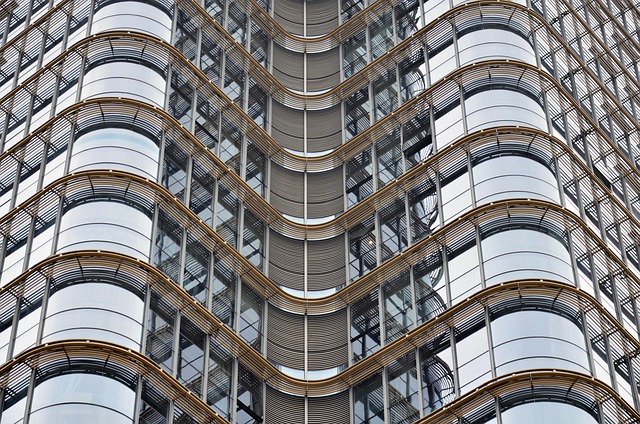
The evolution of the curtain wall facade traces a century-long dialogue between art, technology, and urban identity. Rooted in Bauhaus ideals of simplicity and material honesty, it grew into a defining feature of modern architecture. As glass and steel advanced, transparency became both an aesthetic and ideological pursuit. Today’s double skin facade systems reinterpret these principles through sustainability and digital precision, merging early modernist clarity with ecological responsibility.
The Origins of the Curtain Wall Facade in Bauhaus Ideals
The origins of the curtain wall lie in early 20th-century Germany, where industrial materials began reshaping architectural thought. The Bauhaus movement provided both philosophical grounding and technical experimentation for what would become one of modernism’s most recognizable forms.
The Bauhaus Philosophy and Its Influence on Architectural Transparency
The Bauhaus school emphasized that form should follow function and that materials should express their true nature. Glass and steel were celebrated as progressive materials capable of embodying industrial rationality. Transparency symbolized openness—both social and structural—reflecting a belief that architecture could foster a new democratic way of living.
Early Experiments with Non-Load-Bearing Facades
Architects like Walter Gropius began separating structural frames from external walls, freeing facades from their load-bearing role. This innovation allowed lighter envelopes that could be glazed extensively. Early prototypes such as the Fagus Factory in Alfeld demonstrated how glass could wrap a building’s skeleton, foreshadowing the curtain wall system that would dominate postwar skylines.
The Transition from Bauhaus to International Style
As Bauhaus-trained architects emigrated during political upheaval, their ideas spread globally. The United States became fertile ground for these ideals to evolve into corporate modernism, turning transparency into an emblem of progress.
The Spread of Modernist Principles Across Continents
After World War II, architects like Mies van der Rohe and Gropius applied Bauhaus principles abroad. In New York, buildings such as Lever House (1952) and Seagram Building (1958) introduced sleek curtain wall facades that defined mid-century corporate aesthetics. These projects transformed glass towers into symbols of efficiency and global capitalism.
Technological Advancements Enabling Larger Glazed Surfaces
Advances in steel framing and float-glass manufacturing allowed unprecedented spans of uninterrupted glazing. Structural silicone glazing eliminated visible mullions, producing seamless surfaces that mirrored cityscapes. Aluminum replaced heavier metals, improving installation speed and corrosion resistance while reducing weight—a key factor in high-rise construction.
The Curtain Wall as a Symbol of Modern Urban Identity
By mid-century, glass towers had become synonymous with urban ambition. Their reflective surfaces transformed cities into luminous grids where architecture expressed both corporate power and collective aspiration.
The Aesthetic Shift Toward Transparency and Lightness
Curtain wall facades conveyed visual lightness through continuous glazing. Reflective glass blurred interior-exterior boundaries, creating dynamic relationships between occupants and surroundings. Transparency became not just functional but ideological—an assertion of technological optimism amid rapid urbanization.
Environmental and Psychological Implications of Glass Architecture
While daylight improved working environments, large glazed areas introduced thermal inefficiencies requiring mechanical compensation. Psychologically, they redefined spatial experience by connecting occupants visually to their environment yet sometimes isolating them behind reflective barriers—a paradox still debated among designers today.
The Emergence of Double Skin Facades as a Response to Modern Challenges
As environmental awareness grew in the late 20th century, architects sought ways to reconcile transparency with energy performance. This led to innovations like the double skin facade—a layered envelope balancing openness with efficiency.
The Evolution from Single to Double Envelopes
Energy crises prompted reevaluation of fully glazed buildings. Double skin systems introduced cavities between two layers of glass for controlled ventilation or shading devices. This design moderated temperature fluctuations while preserving visual clarity—a pragmatic response aligning aesthetic goals with environmental demands.
Performance Benefits of Double Skin Facades in Contemporary Architecture
Double skin facades improve insulation by trapping air within cavities, reducing heating and cooling loads significantly. Acoustic buffering makes them suitable for dense urban settings where noise control is critical. Integrated blinds or louvers within cavities adjust dynamically to sunlight or occupancy patterns, enhancing comfort without sacrificing transparency.
Contemporary Interpretations of the Curtain Wall Legacy
Today’s curtain walls merge digital fabrication with adaptive technologies. Architects use computational tools to design facades that respond intelligently to climate while maintaining visual continuity with modernist traditions.
Integration of Digital Design and Fabrication Techniques
Parametric modeling enables complex geometries once impossible with conventional methods. Prefabricated panels enhance precision and minimize waste during installation. Smart glazing technologies adjust opacity or reflectivity automatically based on light intensity or temperature—turning static surfaces into responsive systems.
Sustainability as the New Modernist Ethos
Sustainability has replaced pure formal minimalism as architecture’s guiding value. High-performance curtain wall systems now embody ecological ethics through recyclable materials and reduced carbon footprints assessed via life-cycle analysis. Adaptive facades continue the Bauhaus pursuit of functional beauty while addressing contemporary climate challenges.
Reassessing the Bauhaus Vision in Today’s Architectural Contexts
The dialogue between past ideals and future innovation defines current architectural practice. Transparent architecture remains an evolving medium through which technology meets human experience.
Continuity Between Historical Ideals and Present Innovations
Despite changing tools, the essence remains: clarity, function, honesty in material expression. Curtain walls still communicate technological progress while accommodating human comfort—bridging art and engineering much like their Bauhaus predecessors intended.
Future Directions for Transparent Architecture in Urban Environments
Emerging hybrid systems integrate photovoltaic panels or electrochromic glass within double skin assemblies to generate power or modulate light adaptively. These advances suggest a future where buildings act as active participants in urban ecosystems rather than passive enclosures—a fitting continuation of the century-old vision born at Dessau.
FAQ
Q1: What defines a curtain wall facade?
A: A curtain wall facade is a non-load-bearing exterior system attached to a structural frame, typically composed of glass and metal elements that provide weather protection while allowing natural light penetration.
Q2: How does a double skin facade differ from traditional glazing?
A: A double skin facade features two layers of glass separated by an air cavity used for ventilation or shading control, offering improved thermal performance compared to single-layer systems.
Q3: Which buildings first popularized curtain wall construction?
A: Early examples include Walter Gropius’s Fagus Factory in Germany; later icons like Lever House and Seagram Building solidified its status in postwar modernism.
Q4: What are current sustainability strategies for curtain walls?
A: Strategies include using low-emissivity coatings, integrating renewable energy components such as photovoltaics, employing recyclable materials, and optimizing daylight management through smart controls.
Q5: How is digital technology shaping future facade design?
A: Digital tools enable parametric modeling for complex geometries, precision prefabrication for reduced waste, and intelligent glazing systems that adapt automatically to environmental conditions.