
How Can an Interior Decoration Company Master Scale in Design Projects
Why Scale Is So Important in Interior Design
Scale defines the visual and physical relationship between objects and their environment. In interior design, it shapes how people experience space—whether a room feels inviting, balanced, or overwhelming. Proper scale aligns function with aesthetics, guiding the eye and supporting comfort. For an interior decoration company, mastery of scale is not optional; it is the foundation of brand identity and client satisfaction. From roof house design challenges to multi-zone interiors, scale decisions determine how well a concept translates into lived reality.
Understanding the Concept of Scale in Interior Design
Scale governs the sense of proportion that makes interiors feel cohesive. It connects form, function, and emotion within spatial composition.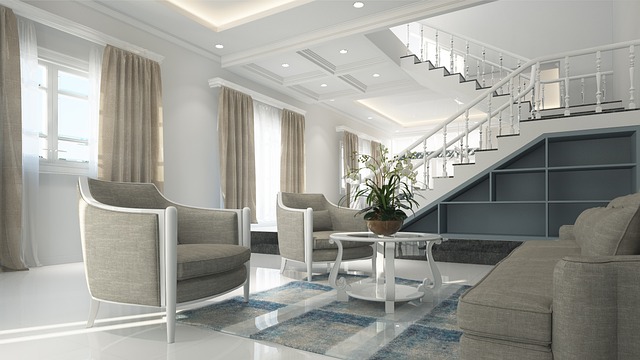
Defining Scale and Its Role in Spatial Composition
Scale refers to the proportional relationship between design elements and the space they occupy. It influences how users perceive comfort, functionality, and aesthetic balance. A chair too large for a dining area or a pendant light hung too low can distort perception and disrupt flow. By managing scale correctly, designers create rooms that feel natural to inhabit rather than staged.
The Difference Between Scale and Proportion
While often discussed together, scale relates to object size relative to the entire space, whereas proportion focuses on relationships among elements within a single setting. A sofa may be proportionate to its coffee table but out of scale with a small living room. Both must work in harmony for visual equilibrium.
The Importance of Scale for an Interior Decoration Company
For any interior decoration company, scale represents both a technical skill and an artistic language. It affects every decision—from furniture selection to ceiling height interpretation.
Enhancing Spatial Experience Through Proper Scaling
Correct scaling ensures that furniture, fixtures, and architectural details integrate smoothly with spatial boundaries. Misjudged dimensions can make areas appear cramped or underutilized. Ergonomic comfort depends on these spatial judgments: desks at proper height, walkways wide enough for natural movement, lighting positioned for human proportions.
Communicating Brand Identity Through Scaled Design Choices
A company’s design identity often emerges through consistent use of scale. Large-scale installations project confidence; smaller details reveal craftsmanship and refinement. For example, minimalist brands favor restrained scaling with clean lines and subtle spacing, while luxury interiors may emphasize grand gestures through oversized chandeliers or expansive layouts.
Applying Scale Principles in Complex Design Projects
Complex projects demand flexible scaling strategies that adapt to diverse zones without losing coherence.
Integrating Scale Across Multi-Zone Interiors
In open-plan environments such as offices or lofts, transitions between zones depend on scaled cues—like varying rug sizes or ceiling treatments—to define hierarchy without walls. Repetition of scaled motifs maintains continuity across spaces while lighting adjustments guide focus from one area to another.
Adapting Scale in Roof House Design Projects
Roof house design introduces unique volumetric challenges due to sloped ceilings and irregular geometry. Designers must align furnishings with both horizontal spread and vertical compression. Custom joinery often becomes essential: built-in shelves following roof angles preserve proportion while maximizing usability.
Tools and Techniques for Managing Scale Effectively
Technology now allows designers to test scale decisions before construction begins, minimizing risk during execution.
Utilizing Digital Modeling and Visualization Tools
3D modeling software simulates accurate relationships between objects and architecture at true-to-life dimensions. Virtual walkthroughs help clients intuitively grasp spatial proportions long before installation. Parametric tools also allow dynamic resizing during development—a crucial advantage when balancing budget constraints with aesthetic goals.
Material Selection and Its Impact on Perceived Scale
Material choice alters how space feels visually. Reflective surfaces like glass or polished stone expand perceived volume by bouncing light; matte finishes absorb it, creating intimacy. Repeating materials across scaled components—such as matching wall panels with furniture veneers—strengthens cohesion throughout an interior scheme.
Collaborative Approaches to Scaling in Interior Projects
Scaling success rarely happens in isolation; it relies on coordination across multiple disciplines within a project team.
Coordination Between Designers, Architects, and Fabricators
Early collaboration aligns structural dimensions with interior intent. When architects adjust window heights or column spacing based on designer input, it prevents misalignment later in fabrication stages. Detailed documentation further reduces discrepancies once construction begins.
Educating Clients About the Role of Scale in Design Decisions
Clients often underestimate how deeply scale affects comfort and perception. By presenting mock-ups or scaled models during meetings, designers translate abstract ideas into tangible experiences. This transparency builds trust—and sometimes even sparks enthusiasm for more daring solutions that rely on unconventional scaling.
Evaluating Success in Scaled Interior Design Implementation
Post-completion analysis helps determine whether scaling decisions achieved their intended effects both functionally and emotionally.
Measuring Functional Efficiency Post-completion
Evaluation includes circulation ease, ergonomic performance, and adaptability over time. Data collected from occupant feedback informs future scaling strategies—especially valuable for repeat clients or similar building typologies.
Aesthetic Balance as a Marker of Scaled Mastery
Ultimately, visual harmony signals mastery of scale management. Balanced compositions evoke calmness even amid complexity; they draw attention without strain. When done right, users may not consciously notice good scaling—but they always feel its presence through comfort and coherence.
FAQ
Q1: How does scale affect user comfort in interiors?
A: Correctly scaled elements support ergonomic alignment between human movement and spatial layout, improving comfort levels naturally.
Q2: Why do roof house design projects need special attention to scale?
A: Sloped ceilings alter usable volume; therefore furniture placement must adapt both horizontally and vertically to maintain balance.
Q3: What tools help interior designers manage scale effectively?
A: Designers use 3D modeling software for accurate visualization and parametric tools for real-time adjustments during planning phases.
Q4: How can an interior decoration company express brand identity through scale?
A: By repeating consistent dimensional patterns—either bold or subtle—a firm communicates its aesthetic signature across projects.
Q5: What are signs that a project has achieved proper scaling?
A: Smooth circulation paths, visual harmony among objects, proportional comfort when seated or standing—all indicate successful scaling execution.