
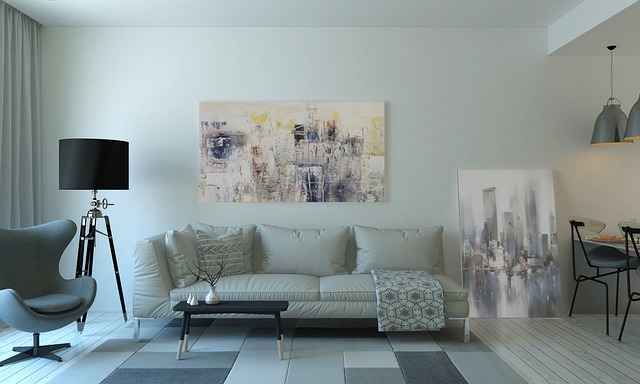
Can Home Interior Brands Transform Online Success Into Physical Growth
Online Success Leads to Home Interiors Shop Opening
Digital growth in the home interior industry no longer stops at e-commerce. Many brands now use their online momentum to launch physical stores, bridging digital visibility with tangible experiences. The data-driven approach behind this shift shows that online success does more than generate sales—it identifies where and how to expand offline efficiently. When a brand’s digital footprint matures, it often signals market readiness for physical spaces that reflect its online identity and meet localized demand.
The Shift From Digital Presence to Physical Expansion
The move from digital-first operations to physical retail marks a new stage in the home interior sector’s evolution. Brands that began as online-only are realizing that customers still value tactile experiences when choosing furnishings, textures, or finishes.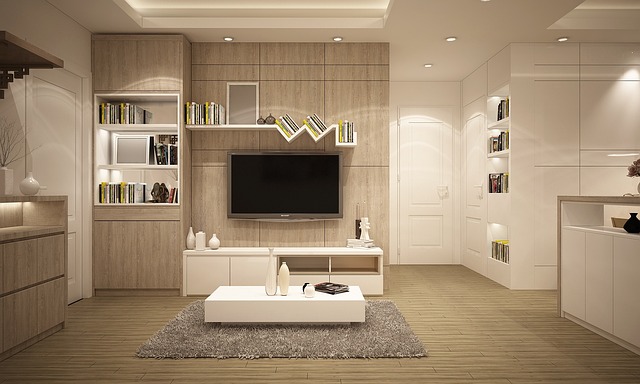
Understanding the Relationship Between Online Success and Offline Growth
Online visibility builds brand awareness that can translate into physical demand. A strong social media following or high search volume often indicates interest clusters in specific regions. Digital analytics also reveal which cities drive the most conversions or engagement, guiding store placement decisions. Moreover, consumer trust built through consistent online service encourages customers to visit showrooms where they can experience materials firsthand.
Evaluating Market Readiness for Physical Expansion
Before opening stores, brands assess which regions show sustained engagement and purchase activity. High-performing ZIP codes or metropolitan areas with dense order volumes often top the list. Operationally, supply chain feasibility becomes critical—distribution hubs must support timely replenishment without inflating logistics costs. Local design preferences also influence store aesthetics; Scandinavian minimalism may thrive in northern Europe, while warmer palettes appeal more in southern markets.
Leveraging Data From E-commerce Platforms for Store Strategy
E-commerce platforms hold vast behavioral data that can shape retail expansion strategies. Translating those insights into spatial decisions helps brands minimize risk and optimize customer satisfaction.
Using Consumer Behavior Insights to Inform Location Decisions
Analyzing purchase frequency, average basket size, and demographic profiles allows brands to pinpoint where interest converts into loyalty. Mapping these metrics across postal codes highlights potential store sites aligned with existing delivery routes or fulfillment centers. This method reduces overhead while maintaining consistency between online promises and offline availability.
Translating Online Product Performance Into In-store Offerings
Top-performing categories online—such as modular sofas or lighting fixtures—often become centerpiece displays in physical stores. Customer reviews guide layout adjustments by revealing what buyers value most: comfort, durability, or design variety. Testing limited collections online before allocating shelf space also prevents overstocking and refines inventory planning.
Integrating Digital Tools Into Physical Retail Experiences
Technology now defines modern home interior retailing as much as craftsmanship does. The best-performing stores merge interactive tools with sensory design elements to create immersive journeys.
Enhancing In-store Engagement Through Technology
Augmented reality (AR) and virtual reality (VR) applications let visitors visualize furniture within their own rooms using tablets or smart mirrors. Digital catalogs extend browsing beyond what’s physically displayed, giving access to full product lines without cluttering space. Unified loyalty programs across both channels reward repeat purchases seamlessly.
Bridging the Gap Between E-commerce and Brick-and-Mortar Operations
Real-time inventory synchronization prevents customer frustration caused by mismatched stock levels between web and store systems. Click-and-collect options encourage foot traffic while offering convenience similar to delivery services. Staff trained on digital tools—like mobile point-of-sale devices—can instantly check product specs or availability during consultations.
Building Brand Consistency Across Channels
A coherent brand identity across all touchpoints strengthens recognition and trust. As home interior retailers expand physically, consistency becomes both a marketing tool and an operational necessity.
Maintaining a Unified Brand Identity in Hybrid Retail Models
Visual elements such as color schemes, signage typography, and lighting should mirror those on digital platforms. Tone of communication—from website copy to in-store greetings—must reinforce shared values like craftsmanship or sustainability. Storytelling bridges these worlds by turning digital narratives into tangible experiences through curated displays or material samples.
The Role of Customer Experience in Strengthening Brand Loyalty
Immersive spaces reflecting a brand’s digital personality help visitors connect emotionally with products. Encouraging customers to share photos of showroom setups on social media fuels organic marketing loops that amplify reach. Integrated feedback systems gather opinions from both environments to refine service standards continuously.
Financial and Operational Considerations for Physical Expansion
Opening a store requires financial discipline beyond creative ambition. Even successful e-commerce players must evaluate capital needs carefully before scaling offline.
Evaluating Investment Requirements and ROI Expectations
Capital expenditure covers lease agreements, architectural design, fixtures, staffing, and technology integration. Comparing e-commerce margins with projected retail profits clarifies breakeven timelines. Many hybrid models reveal stronger long-term returns due to cross-channel synergies rather than isolated performance metrics.
Managing Supply Chain Efficiency During Expansion Phases
Coordinating suppliers across multiple channels demands precise forecasting tools. Just-in-time inventory systems reduce storage costs while maintaining responsiveness during seasonal peaks like holiday furnishing booms. Sustainable sourcing practices further align operations with environmentally conscious consumers—a growing priority across global markets according to IEA sustainability reports.
The Future of Home Interior Brands in an Omnichannel Landscape
The next phase of growth will likely blur boundaries between digital exploration and physical immersion even more tightly than today’s models allow.
Adapting Business Models to Evolving Consumer Preferences
Consumers expect convenience without losing authenticity. Appointment-based consultations supported by online planning tools combine personalization with efficiency. Virtual design sessions tied directly to showroom visits enable cohesive project management from concept to installation.
Anticipating Trends That Influence Physical Growth
After years of screen-based shopping habits, many customers crave tactile validation before purchasing high-value items like furniture or décor pieces. This has fueled demand for community-oriented retail spaces celebrating craftsmanship through live demonstrations or workshops. Sustainability remains another decisive factor shaping both product development and store construction choices—from recycled materials to energy-efficient lighting designs certified under ISO environmental standards.
FAQ
Q1: Why do successful online home interior brands open physical stores?
A: Because strong digital traction reveals geographic demand patterns that justify local showrooms where customers can experience materials directly before buying.
Q2: How does e-commerce data help select store locations?
A: It identifies high-conversion areas by analyzing order density, demographics, and delivery efficiency metrics tied to specific regions.
Q3: What technologies improve the in-store experience?
A: AR visualization tools, interactive catalogs, synchronized loyalty programs, and mobile checkout systems make browsing smoother and more engaging.
Q4: How can hybrid models maintain consistent branding?
A: By aligning visual identity, communication tone, and storytelling themes across websites, social media channels, packaging, and physical interiors.
Q5: What future trends will shape home interior retail?
A: Greater emphasis on sustainable materials, experiential community spaces, integrated digital planning tools, and flexible appointment-based shopping formats reflecting evolving consumer lifestyles.