
How Does Room Interior Design Capture the Spirit of a Breezy Sydney Home
Inside a Breezy Sydney Home Infused With the Warmth of Southern Spain
Sydney’s coastal homes often embody an effortless elegance that feels both relaxed and refined. When layered with the earthy warmth of southern Spain, the result is a room interior design language that speaks of sunlight, texture, and emotional ease. This synthesis isn’t about imitation but translation—where Sydney’s ocean air meets Andalusian tones, creating interiors that breathe, glow, and live with quiet rhythm.
Interpreting the Concept of a Breezy Sydney Home
The idea of a “breezy” home in Sydney extends beyond ventilation or sea views; it captures an architectural mindset shaped by geography and culture. The city’s architecture has evolved to merge indoor comfort with outdoor vitality, forming spaces that feel open yet grounded.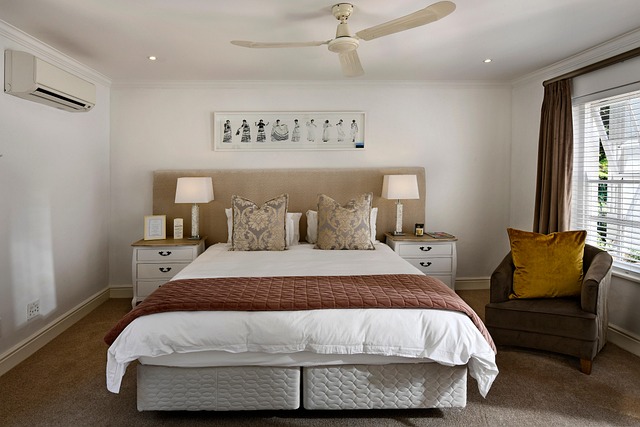
Understanding the Architectural Context of Sydney Residences
Sydney’s coastal climate strongly informs spatial planning and material choice. Architects orient living areas to catch prevailing breezes while protecting from harsh sun. Open-plan layouts are favored not for fashion but for practicality—they allow air to circulate freely and connect social zones seamlessly. Glass sliders dissolve boundaries between kitchen, terrace, and courtyard, allowing natural light to animate every surface. The interplay between timber decks and stone floors blurs where inside ends and outside begins.
The Emotional and Cultural Essence of a “Breezy” Aesthetic
A breezy aesthetic carries emotional lightness. Interiors feel calm because they avoid excess—simple lines, unforced symmetry, and honest materials dominate. Functionality remains central: movable furniture supports daily life without dictating it. Yet sensory experience matters equally; textures invite touch, light shifts across walls like water. Designers often describe this mood as “quiet luxury,” where restraint becomes richness.
Infusing the Warmth of Southern Spain Into Sydney Interiors
Bringing Mediterranean warmth into a coastal Australian context requires sensitivity rather than replication. It’s about evoking atmosphere through tone and texture rather than literal motifs.
Translating Mediterranean Elements Into a Coastal Australian Setting
Southern Spain’s architecture thrives on contrast—sunlight against shadow, rough plaster beside cool tile. In Sydney homes, these qualities appear through limewashed walls that diffuse glare and terracotta floors that retain gentle heat during cooler months. Arched doorways reinterpret Andalusian geometry without appearing ornamental; they soften transitions between rooms. Wrought iron details—balcony rails or pendant frames—add tactile depth while remaining salt-air resistant when properly treated.
Harmonizing Color Palettes Between Two Distinct Cultures
Color bridges both regions elegantly. Soft whites echo Sydney’s coastal brightness while sandy neutrals recall Spanish courtyards at dusk. Sunbaked ochres pair naturally with blue-green accents drawn from both ocean horizons and glazed Iberian ceramics. This palette avoids cultural mimicry by focusing on shared atmospheres rather than decorative clichés. The tonal balance keeps rooms feeling cohesive even as materials shift from sandstone to ceramic or linen.
Spatial Composition and Flow in Breezy Sydney Interiors
Spatial logic defines how people move through these homes—it’s less about corridors and more about continuous experience shaped by air, view, and light.
The Role of Light and Air in Defining Spatial Experience
Orientation remains crucial: openings align to capture cross-ventilation from sea breezes while minimizing heat gain from the west. Clerestory windows scatter daylight evenly across ceilings so no area feels stagnant or dim. Transparent partitions made from reeded glass or light timber screens maintain privacy yet preserve visual connection between zones—a subtle technique that enhances flow without sacrificing intimacy.
Furniture Layouts That Encourage Fluid Movement
Furniture placement in such interiors favors flexibility over formality. Modular sofas can pivot toward either fireplace or garden depending on season. Low-profile seating keeps sightlines clear to exterior views—a psychological cue that expands perceived space. Transitional spaces like verandas act as breathing buffers; they absorb humidity changes while extending living zones outward for year-round use.
Materiality as an Expression of Locale and Lifestyle
Material selection tells the story of place—how people live with their environment rather than against it.
Selecting Materials That Evoke Both Warmth and Freshness
Limewash finishes soften light reflection while adding subtle depth to walls, producing a lived-in patina prized in both Mediterranean villas and coastal cottages. Locally sourced timbers such as spotted gum resonate with Spanish craftsmanship traditions through their visible grain patterns and warm undertones. Natural fibers like jute rugs or linen drapery enhance comfort by promoting breathability—a quiet nod to climates where airflow defines daily rhythm.
Sustainable Material Choices for Coastal Environments
Durability under salt-laden air becomes non-negotiable near Sydney’s beaches. Recycled hardwoods outperform synthetics by tolerating moisture fluctuations without warping. Using locally quarried stone reduces transport emissions while grounding design within its region’s geology. Finishes are selected for resilience rather than gloss; matte sealants protect surfaces discreetly yet effectively—a practical reflection of sustainability meeting aesthetics.
The Interplay of Light, Texture, and Form in Interior Detailing
Light reveals material truth; texture gives it soul; form organizes both into coherence.
Layering Textures to Enhance Visual Depth
Contrasting surfaces create rhythm: matte plaster beside glossy ceramic tiles draws the eye gently across planes instead of overwhelming it. Hand-troweled finishes introduce minute irregularities that humanize otherwise minimalist compositions—imperfection becomes beauty here. Gradual textural shifts from smooth interior walls to rough exterior masonry guide perception outward toward landscape views.
Lighting Design Strategies That Reinforce Spatial Character
Lighting design mimics daylight transitions rather than competing with them. Diffused ambient sources wash ceilings softly at dusk while concealed LED strips define architectural edges invisibly. Accent lighting focuses on artisanal details such as carved niches or arched recesses, turning craftsmanship into focal art after sunset without cluttering visual lines.
The Role of Art, Objects, and Personal Expression in the Breezy Home Narrative
Beyond structure lies personality—the curated mix of art and object that transforms architecture into lived space.
Curating Decorative Elements With Cultural Resonance
Artworks inspired by coastlines bridge geography: abstract seascapes recall both Bondi surf breaks and Cádiz bays under similar sun angles. Hand-thrown ceramics sit alongside woven textiles sourced from local makers who reinterpret Mediterranean weaving patterns through Australian wool blends. Display composition favors openness—objects breathe rather than compete for attention.
Integrating Contemporary Australian Design With Mediterranean Influences
Modern Australian designers excel at translating traditional motifs using advanced fabrication methods such as CNC-carved timber panels resembling Moorish latticework but executed in native species like blackbutt or Tasmanian oak. Collaboration between artisans sustains authenticity within this hybrid aesthetic—the home feels global yet unmistakably local because craft connects cultures more honestly than ornamentation ever could.
FAQ
Q1: What defines a breezy Sydney home?
A: It combines open layouts, cross ventilation, and strong indoor–outdoor links shaped by coastal climate conditions.
Q2: How can southern Spanish style fit within modern room interior design?
A: Through materials like terracotta tiles, arched forms, textured plaster walls, and warm neutral palettes adapted for contemporary proportions.
Q3: Which materials suit humid coastal environments best?
A: Recycled hardwoods, lime-based plasters, natural stone, and breathable textiles resist moisture fluctuations effectively while maintaining aesthetic integrity.
Q4: How does lighting influence spatial perception in these interiors?
A: Balanced daylight diffusion paired with discreet artificial lighting preserves visual calmness while emphasizing texture variation throughout the day.
Q5: Why merge Australian craftsmanship with Mediterranean references?
A: This fusion celebrates regional identity while embracing timeless design values rooted in tactile honesty and cultural dialogue across similar climates.