
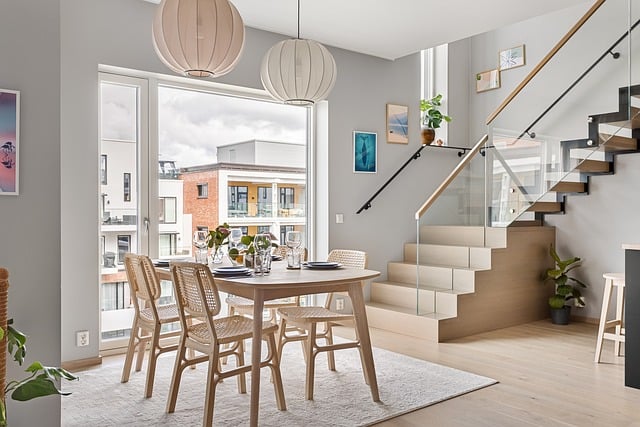
What Makes Scandinavian Interior Design the Core of Japandi Aesthetic
All About Japandi Design, a Mix of Japanese and Scandinavian Design
Japandi design merges the calm discipline of Japanese aesthetics with the cozy practicality of Scandinavian interior design. The result is a balanced style that values simplicity, craftsmanship, and emotional comfort. Its philosophy rests on restraint—every object has purpose, every texture carries intention. This hybrid approach is not just visual; it’s ethical and sensory, promoting sustainable living while nurturing psychological well-being. In professional practice, Japandi has evolved from a niche aesthetic to a global design language that bridges East and West through shared human values.
The Philosophical Foundations of Japandi Design
Japandi’s foundation lies in the convergence of two cultures that, despite their distance, share profound values about living spaces and human emotion.
Shared Values Between Scandinavian and Japanese Aesthetics
Both traditions celebrate simplicity as an ethical choice rather than a stylistic one. Functionality drives beauty, not the other way around. In both Scandinavian interior design and Japanese philosophy, nature acts as a silent collaborator—wood grains, stone textures, and daylight are treated as essential materials. Minimalism operates as a moral compass: restraint fosters clarity, while purposeful design nurtures harmony between humans and their surroundings.
The Role of Scandinavian Principles in Japandi Philosophy
Scandinavian influence introduces hygge, the pursuit of warmth and comfort in everyday life. This principle softens minimalism with emotional depth—wool throws on oak benches, candlelight reflecting off pale walls. Natural materials like birch or pine reinforce serenity through tactile honesty. Functionality remains paramount; every element must serve both form and purpose, reflecting the Nordic belief that beauty emerges from utility.
Materiality and Texture in the Japandi Context
Material selection defines the tactile language of Japandi interiors. It is where philosophy meets craft.
The Influence of Scandinavian Material Choices
Light woods such as ash and pine create an airy spatial rhythm typical of northern homes. Textural layering through linen cushions or ceramic vessels adds warmth without cluttering space. These materials are often locally sourced to reduce environmental impact—a practice deeply rooted in ecological ethics that also enhances visual purity.
Integrating Japanese Craftsmanship with Nordic Materials
Japanese craftsmanship refines Nordic simplicity through precision joinery and subtle detailing. Traditional joinery techniques—like mortise-and-tenon connections—complement Scandinavian woodworking traditions by eliminating visible hardware. Natural finishes such as oil or wax highlight grain patterns rather than conceal them, allowing raw materials to express their inherent character without artificial polish.
Spatial Composition and Functional Design Logic
Space planning in Japandi interiors reflects both rational structure and poetic restraint.
The Scandinavian Approach to Space Planning
Open layouts dominate Nordic homes to maximize daylight during long winters. Furniture placement follows logic: circulation flows effortlessly between zones for cooking, resting, or gathering. Modular furniture systems adapt easily to changing needs—a reflection of modern lifestyles that value flexibility over permanence.
How Japanese Spatial Ideals Enhance Scandinavian Structure
Japanese spatial discipline introduces ma—the intentional use of negative space—as an active design element. Sliding partitions or shoji screens provide adaptable boundaries that complement open-plan layouts common in Scandinavia. This interplay between enclosure and openness generates meditative calm while preserving functionality, offering users both privacy and connection when desired.
Color Theory and Light in Japandi Interiors
Color and light shape emotional perception more than any other element in this style.
Nordic Light as a Foundation for Japandi Palettes
Soft daylight defines northern interiors where sun exposure is limited for much of the year. Designers favor muted hues like beige, grey, or off-white to reflect available light across surfaces. Reflective finishes on wood or plaster amplify brightness naturally without artificial glare—a practical solution born from climatic necessity.
Harmonizing Japanese Earth Tones with Nordic Neutrals
Japanese interiors contribute warmth through clay browns, moss greens, or charcoal blacks layered subtly over Nordic neutrals. These earth tones add depth without disturbing serenity. The balance between cool northern hues and warm eastern pigments evokes tranquility consistent with wabi-sabi, where imperfection becomes part of beauty’s narrative.
Emotional Resonance Through Design Intentions
Japandi’s emotional power lies not only in what is seen but also in what is felt within the space.
Creating Comfort Through Scandinavian Warmth
Comfort arises from tactile engagement: wool rugs underfoot, linen drapes moving gently with air currents. Soft lighting creates intimacy even in minimalist rooms. Ergonomic furniture ensures usability aligns with aesthetic intention—a principle often overlooked yet central to long-term satisfaction within domestic settings.
Cultivating Mindfulness Through Japanese Restraint
Japanese restraint encourages mindfulness by removing distractions rather than adding ornamentation. Empty surfaces invite mental stillness; asymmetry reminds inhabitants that perfection is fleeting—a cornerstone of wabi-sabi. Each object is chosen for meaning: a handcrafted cup may replace decorative abundance because its presence carries quiet dignity born from use.
Sustainability as a Shared Ethical Core
Beyond aesthetics, sustainability anchors Japandi’s moral framework across production and consumption practices.
Eco-Conscious Practices Rooted in Scandinavian Traditions
Nordic countries have long prioritized renewable resources like timber harvested under strict forestry regulations (as outlined by ISO 14001 environmental management standards). Local production reduces transport emissions while preserving artisanal heritage through small-scale workshops. Timeless forms discourage disposability; furniture designed decades ago still fits contemporary homes because its appeal transcends trend cycles.
Japanese Influence on Sustainable Living Principles in Japandi Design
The Japanese concept of mottainai—a respect for resources—aligns closely with these values by discouraging wasteful habits. Repair culture manifests through practices such as kintsugi, where broken ceramics are repaired with gold lacquer to celebrate imperfection rather than conceal it. Architectural maintenance also follows natural rhythms: tatami mats replaced seasonally remind occupants of time’s passage within sustainable cycles.
The Evolving Identity of Japandi as a Global Design Language
As designers worldwide reinterpret minimalism through cultural hybridity, Japandi continues to evolve beyond regional roots into a universal aesthetic vocabulary.
How Scandinavian Interior Design Anchors the Hybrid Aesthetic Framework
Scandinavian interior design provides structural clarity—the skeleton upon which Japanese subtlety builds emotional resonance. Its adaptability allows seamless integration across climates and cultures while maintaining human-centered priorities like comfort, light access, and material honesty. The resulting aesthetic feels both ancient and contemporary because it speaks to universal needs for calm order amid modern chaos.
Future Directions in Professional Practice and Research on Japandi Style Evolution
Emerging directions point toward material innovation using cross-cultural methods: bamboo composites paired with Nordic pine veneers or digital fabrication reinterpreting handcraft precision at industrial scale. Collaborative research among architects from Tokyo to Copenhagen explores how transnational minimalism can redefine sustainable luxury without losing its ethical grounding in simplicity.
FAQ
Q1: What defines Japandi design compared to pure Scandinavian interior design?
A: Japandi integrates Japanese restraint into Scandinavian functionality, producing spaces that feel both warm and disciplined rather than purely cozy or strictly minimal.
Q2: Which materials best represent authentic Japandi interiors?
A: Light woods like ash combined with handmade ceramics or linen textiles capture its essence by balancing tactile softness with structural clarity.
Q3: How does lighting influence mood in Japandi spaces?
A: Diffused natural light paired with warm artificial tones maintains visual calm while enhancing texture perception throughout the day.
Q4: Is sustainability mandatory for true Japandi design?
A: Yes; ethical sourcing, durability over trendiness, and repair-friendly construction all form part of its philosophical core rooted in ecological respect.
Q5: Can Japandi principles apply outside residential contexts?
A: Absolutely; many offices and hospitality projects now adopt this hybrid approach to foster focus, relaxation, and timeless elegance within functional environments.