
Can A Couch Pillow Protect Your Sofa Better Than A Couch Cover
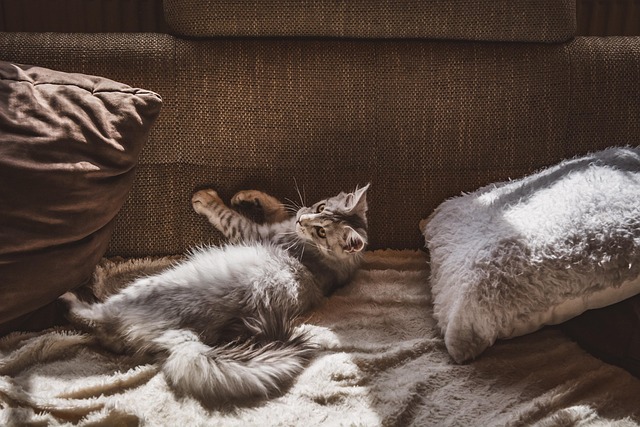
It’s Cool If Your Dog Snuggles On Your New Sofa. Just Use a Couch Cover.
When pets share the sofa, comfort meets risk. Dog fur, claws, and daily lounging can wear down even premium upholstery faster than expected. The simplest defense is a well-chosen couch cover that shields the fabric while maintaining design harmony. Couch pillows add comfort and style but don’t replace full-surface protection. For long-term preservation, layering both elements—pillows for accent and covers for durability—creates a practical and aesthetic balance that suits modern living spaces.
Understanding the Role of Couch Pillows and Couch Covers in Sofa Protection
Sofa care involves more than cleaning; it’s about anticipating wear patterns from people, pets, and environmental factors. Both couch pillows and couch covers play roles in this system, though their functions differ significantly.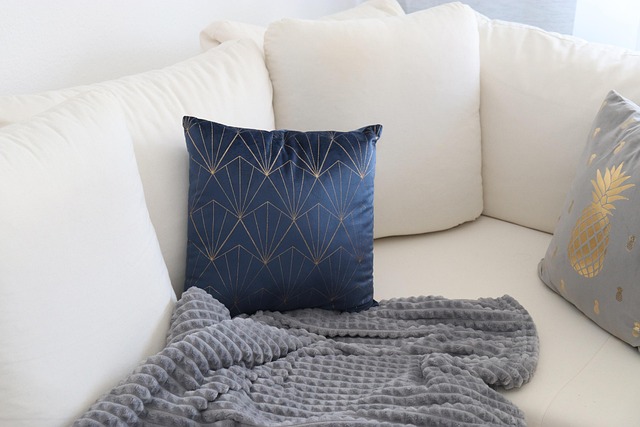
Functional Differences Between Couch Pillows and Couch Covers
Couch pillows are primarily designed for comfort and visual enhancement. They offer localized support but leave most of the upholstery exposed. In contrast, couch covers act as protective shells that guard against spills, stains, pet hair, and abrasion from daily use. The coverage area matters: a pillow protects only where it sits, while a fitted cover shields every inch of the sofa surface. This structural difference explains why covers are essential in households with pets or high traffic.
Material Composition and Protective Capacity
The materials used determine how each accessory performs over time. Pillow fabrics often prioritize texture, color, and softness over resilience. Silk blends or light cottons may look refined but resist abrasion poorly. Couch covers typically use denser textiles such as twill, microfiber, or polyester blends engineered for durability and easy washing. A tight weave improves moisture resistance and reduces snagging from pet claws. The thicker the fabric and tighter the weave, the better it withstands long-term friction.
Evaluating Sofa Protection from Physical Wear and Tear
Protection isn’t just about blocking stains—it’s about preserving structure. Sofas lose shape through repeated pressure, body heat, and movement over years of use.
Cushion Compression and Surface Deformation
Every sit slightly compresses foam cushions; over time this leads to sagging or uneven surfaces. Pets exacerbate this by jumping or curling up on one side repeatedly. Couch pillows provide temporary cushioning but don’t distribute weight evenly across seat areas. A snug-fitting couch cover helps maintain even tension across seams and cushions, slowing deformation by spreading load pressure throughout the seating surface.
Resistance to Scratches, Dirt, and Pet Activity
Pets introduce unique stress factors: claws scratch fabric threads; natural oils from fur attract dirt; shedding embeds hair deep into fibers. Pillow placement may reduce direct contact in certain zones but leaves edges exposed where animals often climb or rest their paws. A continuous couch cover forms a barrier between upholstery and these elements, minimizing permanent damage while simplifying cleanup after shedding cycles.
Aesthetic Considerations in Sofa Maintenance Strategies
Practical protection shouldn’t compromise visual appeal. Interior designers often integrate both functional layers—pillows for accent color dynamics and covers for overall tone control—to maintain coherence within a living space.
Visual Harmony Between Protection and Design Intent
Pillows add dimension through shape contrast or decorative stitching but contribute little to actual defense against grime or scratching. Covers change the sofa’s appearance more dramatically yet can be selected to align with existing palettes or textures in the room. Matching tones between pillowcases and covers keeps design intent intact while reinforcing protection goals.
Adaptability to Seasonal or Thematic Décor Changes
Removable pillowcases make quick updates possible—a switch from velvet in winter to linen in summer refreshes atmosphere instantly. Interchangeable couch covers allow broader transformations without reupholstering costs: neutral shades for everyday use or patterned versions during festive seasons. Coordinating both ensures continuity even when themes shift across months or events.
Practical Aspects of Cleaning, Maintenance, and Longevity
Maintenance routines define how long furniture retains its original feel. Both pillows and covers simplify cleaning when chosen wisely.
Ease of Cleaning and Replacement Cycles
Pillow covers detach easily for frequent washing; smaller loads mean less effort yet consistent freshness. Full couch covers demand more handling during removal but protect base upholstery from deep-set stains that would otherwise require professional cleaning. Establishing regular wash cycles—monthly for pillows, quarterly for covers—extends lifespan of both accessories while preserving sofa integrity beneath them.
Cost-Benefit Analysis of Long-Term Sofa Protection Solutions
High-quality couch covers may seem expensive initially but offset future reupholstery expenses that can reach several hundred dollars per piece of furniture. Pillows offer short-term decorative satisfaction but limited defense against wear-induced degradation like fading or pilling on seat fabric. Combining selective investments—a durable base cover with replaceable accent pillows—achieves both cost efficiency and preservation quality over years of ownership.
Integrating Both Elements for Comprehensive Sofa Care Strategy
Professional furniture consultants often recommend layered systems rather than single-product solutions because real-life usage involves multiple stressors acting simultaneously on surfaces.
Layered Protection Approach for High-Traffic Living Spaces
A base layer using a fitted couch cover provides fundamental shielding against dirt accumulation and frictional stress from movement or pet contact. Strategic pillow placement adds ergonomic comfort while reducing direct rubbing on covered zones such as armrests or corners where fabric tends to thin first. Together they create tactile richness without sacrificing durability—a practical solution for family rooms where activity is constant.
Recommendations for Experts Advising Clients on Furniture Preservation
Professionals assessing client needs should evaluate lifestyle variables like pet presence, frequency of gatherings, sunlight exposure near windows, and aesthetic preferences before recommending materials. Durable fabrics with stain-resistant coatings suit active homes; softer weaves match low-traffic lounges prioritizing texture over toughness. Maintenance advice should include vacuuming weekly to remove debris under cushions, spot-cleaning minor spills immediately with mild detergent solutions, and rotating removable covers seasonally to equalize wear distribution across seating sections.
FAQ
Q1: Are couch pillows enough to protect a sofa from pet damage?
A: No. Pillows only shield limited areas; they cannot prevent scratches or fur buildup across exposed surfaces like armrests or seat edges.
Q2: How often should a couch cover be washed if pets use the sofa daily?
A: Typically every two to three weeks depending on shedding levels; frequent washing prevents odor retention and maintains fiber elasticity.
Q3: What material works best for homes with dogs?
A: Dense microfiber or tightly woven polyester blends resist claw marks better than loose-weave cottons while staying easy to clean after muddy paws.
Q4: Can decorative pillows still be used with protective couch covers?
A: Yes—they enhance comfort without reducing protective function when placed strategically atop fitted covers matching overall décor tones.
Q5: Does using both increase sofa longevity significantly?
A: Yes, combining them distributes mechanical stress evenly while minimizing direct exposure to dirt or liquids—extending usable life by several years in active households.