

How Do Table Accents Transform a Mother’s Day Tablescape Elegantly
Set a Gorgeous Mother’s Day Tablescape with These 12 Creative Ideas
Creating an elegant Mother’s Day tablescape is less about extravagance and more about thoughtful coordination. The secret lies in the artful use of table accents—those subtle decorative touches that bring cohesion, warmth, and sophistication to the dining experience. From curated color palettes to layered textures and lighting, each detail contributes to an atmosphere that feels both personal and refined. Professionals in event design often note that when accents align harmoniously with tableware and floral elements, they transform a simple meal into a visual celebration of gratitude and love.
The Role of Table Accents in Creating an Elegant Mother’s Day Tablescape
A well-styled Mother’s Day table begins with understanding how each accent interacts with the overall setting. Table accents are not mere embellishments; they serve as the connective tissue between functional pieces and decorative artistry.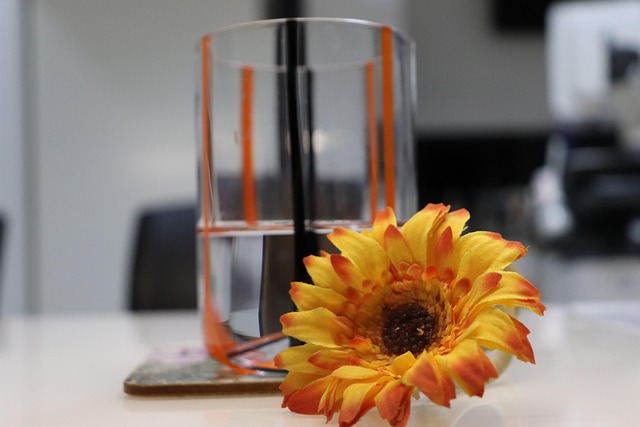
Understanding the Concept of Table Accents
Table accents refer to decorative elements that elevate a dining setup beyond functionality. They include everything from napkin rings and candleholders to chargers and centerpiece vases. Each piece acts as a visual bridge linking tableware, linens, and florals into one cohesive story. When placed strategically, these accents maintain balance across the tablescape, guiding the eye naturally from one focal point to another.
The Psychological Impact of Well-Chosen Accents
Design psychology plays a crucial role here. Subtle choices in tone or texture can evoke emotional warmth or understated luxury. Harmonious color combinations influence how guests perceive comfort and elegance. A mix of smooth ceramics with soft fabrics adds tactile intrigue, engaging both sight and touch—a hallmark of refined hospitality.
Harmonizing Color Palettes Through Table Accents
Color harmony defines mood more than any other element on a Mother’s Day table. Before selecting flowers or linens, it helps to decide on a palette that feels seasonal yet timeless.
Coordinating Tones for a Unified Look
Accent hues should complement rather than compete with primary colors. Metallics like gold or rose gold add polish without overwhelming gentle tones such as ivory or blush. Layering neutral bases—like beige chargers—with pastel napkins maintains serenity while adding dimension.
Using Seasonal Colors to Reflect Mother’s Day Themes
Mother’s Day falls in spring, so fresh tones like blush pink, lavender, or sage green naturally fit the occasion. Floral-patterned napkins or runners echo garden freshness while staying elegant. Even small touches—colored glassware or candles—can reinforce the palette subtly without feeling forced.
Material Selection and Texture in Table Accents
The tactile experience of dining often goes unnoticed but deeply influences perception. Texture variation within table accents creates depth that photographs beautifully and feels inviting in person.
Exploring Textural Contrast for Visual Interest
Mixing materials prevents monotony. Smooth ceramic plates paired with woven placemats introduce contrast that feels organic yet deliberate. Natural materials like rattan chargers or wooden trays add warmth reminiscent of outdoor gatherings but still suit indoor elegance.
The Role of Fabric and Finish in Elevating Elegance
Fabric choice can instantly shift tone—from crisp linen for casual brunches to silk ribbons tied around napkins for formal dinners. Matte finishes help balance glossy surfaces such as glassware or polished cutlery, avoiding glare under lighting. Lace overlays add texture without cluttering composition.
Centerpieces as Focal Table Accents
Every tablescape benefits from a central anchor that draws attention yet encourages conversation flow across the table.
Designing Balanced Floral Arrangements
Low-profile floral designs keep sightlines open while adding freshness through color gradients and greenery movement. Pairing soft blooms like peonies with leafy stems introduces natural rhythm without dominating space. Vases should coordinate with surrounding materials—glass complements metallics; ceramics pair well with rustic wood tones.
Integrating Non-Floral Centerpieces for Modern Sophistication
Not every centerpiece must feature flowers. Sculptural candleholders clustered at varying heights create drama through light play. Mirrored trays beneath candles amplify glow subtly during evening dinners, while minimalist objects like ceramic spheres lend modern restraint suitable for contemporary interiors.
Lighting as a Transformative Accent Element
Lighting shapes atmosphere more profoundly than any single decorative piece can achieve.
Enhancing Atmosphere Through Candlelight and Ambient Illumination
Layered lighting brings depth: taper candles provide height; votives soften shadows; string lights add whimsy for outdoor settings. Warm-toned bulbs highlight linen textures and metallic reflections better than cool light sources do. Adjustable brightness allows seamless transition from brunch brightness to dinner intimacy.
The Interplay Between Tableware and Decorative Accents
Harmony between functional items and décor determines whether the design feels cohesive or disjointed.
Coordinating Plates, Glassware, and Cutlery with Accent Elements
Plates featuring subtle rim patterns can echo motifs found on napkin rings or runners. Transparent glassware keeps focus on accent colors rather than competing visually. Polished flatware introduces reflectivity that enhances ambient glow from nearby candles or metallic accessories.
Using Accent Pieces to Frame Functional Elements
Chargers define individual place settings elegantly while grounding plates visually against linens beneath them. Napkin rings crafted from crystal or brushed metal serve dual purposes—functional restraint and decorative sparkle. Personalized place cards edged in gold foil subtly tie back into metallic themes elsewhere on the table.
Personalization Through Thoughtful Accent Details
Beyond aesthetics lies sentimentality—the heart of any Mother’s Day celebration.
Incorporating Sentimental Touches
Handwritten notes expressing gratitude placed beside each plate create emotional connection stronger than any floral arrangement could achieve alone. Family heirlooms—a vintage silver spoon set or grandmother’s porcelain bowl—introduce narrative depth while honoring tradition through tangible memory.
Blending Tradition with Contemporary Design
Combining classic floral china with geometric candleholders bridges generations stylistically without discordance. Asymmetrical layouts feel modern but maintaining consistent color repetition preserves harmony across settings—a balance professionals often describe as “controlled creativity.”
Sustainability Considerations in Choosing Table Accents
Environmental mindfulness increasingly defines modern entertaining aesthetics where beauty meets responsibility.
Eco-Conscious Material Choices
Reusable linens outperform disposable paper alternatives both environmentally and visually over time. Locally made ceramics reduce transport emissions while supporting regional artisanship—a sustainable practice aligned with circular design principles recognized by ISO 14006 environmental management standards (ISO).
Repurposing Decorative Elements Beyond Mother’s Day
Selecting neutral-toned accent pieces allows reuse across seasons—from summer luncheons to winter feasts—without appearing repetitive. Versatility ensures longevity; fewer purchases mean less waste generation over multiple events annually.
FAQ
Q1: What are table accents?
A: They are decorative details such as chargers, napkin rings, candles, or vases that enhance visual harmony within a dining arrangement.
Q2: How do colors influence mood at the table?
A: Warm tones evoke comfort while cooler pastels suggest calm sophistication; balanced palettes create emotional ease among guests.
Q3: Are non-floral centerpieces suitable for formal settings?
A: Yes, sculptural objects or candle clusters can replace flowers effectively when designed proportionately to table scale.
Q4: How can sustainability be applied to décor?
A: Choosing reusable fabrics, locally crafted materials, and multi-seasonal designs reduces waste without compromising style integrity.
Q5: What lighting works best for evening Mother’s Day dinners?
A: Soft warm lighting from candles combined with dimmable ambient fixtures enhances intimacy while highlighting reflective surfaces gracefully.