
How Can Modern Home Interior Design Elevate a Serene Prayer Space
A Room for Reflection: How to Design Prayer Spaces in Modern Homes
Modern home interior design has moved beyond visual aesthetics to embrace emotional and spiritual dimensions. The most successful prayer spaces today combine minimalism, sensory balance, and cultural awareness to foster serenity. By integrating natural materials, geometric clarity, and controlled lighting, designers can shape interiors that quiet the mind and elevate contemplation. The key lies in aligning spatial planning with spiritual purpose—creating rooms that feel both contemporary and sacred.
The Role of Modern Home Interior Design in Creating Serene Prayer Spaces
In modern homes, prayer rooms are no longer isolated alcoves but intentional spaces integrated into everyday living environments. They must serve a dual purpose: harmonizing with modern aesthetics while preserving spiritual sanctity.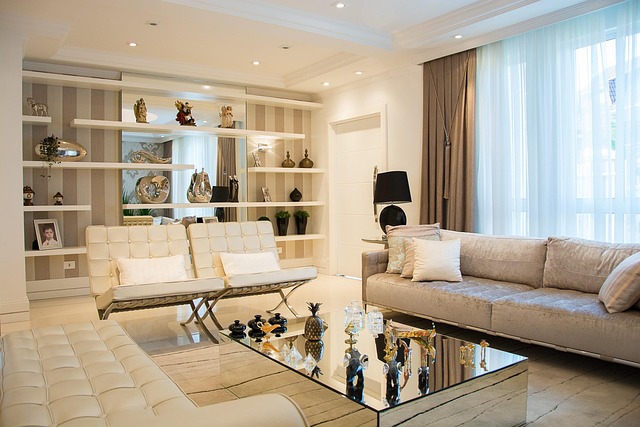
Integrating Spiritual Functionality into Contemporary Design
Modern design principles emphasize simplicity, proportion, and light—all of which naturally align with spiritual intentions. A prayer space designed within this framework avoids clutter, allowing focus on meditation or devotion. Designers often use clean lines and neutral palettes to reduce distraction. The balance between form and function becomes essential; furniture should not dominate but support posture and ritual use. Minimalism encourages introspection by stripping away excess, leaving only what nurtures presence.
The Psychological Impact of Space on Spiritual Experience
Spatial psychology plays a critical role in shaping emotional calm. Research in environmental psychology shows that ceiling height, natural light direction, and texture influence mental states. For instance, diffuse daylight through linen curtains softens perception and reduces cognitive fatigue. Textured surfaces—like matte stone or unfinished wood—invite tactile engagement that grounds the senses during prayer. Mindful design thus becomes a tool for emotional regulation.
Spatial Planning and Layout for a Reflective Environment
A reflective environment depends on how space is organized within the home’s broader layout. In open-plan living areas common to modern homes, zoning becomes the first challenge.
Zoning and Spatial Hierarchy in Modern Homes
Zoning defines boundaries without physical barriers. Sliding panels or changes in floor material can subtly mark transitions from social zones to sacred ones. Privacy is achieved through orientation rather than enclosure—placing the prayer area away from circulation routes or near natural light sources enhances tranquility. Transitional zones such as vestibules help shift mental states from activity to stillness.
Proportion, Scale, and Geometry in Sacred Interiors
Geometry carries symbolic meaning across cultures; circles suggest unity while squares evoke stability. Balanced proportions create visual harmony that fosters contemplation. Large-scale symmetry can feel formal, while slight asymmetry introduces organic warmth suitable for domestic prayer rooms. Designers often use golden ratio proportions or modular grids to maintain equilibrium between intimacy and openness.
Materiality and Texture: The Foundation of Serenity
Material selection determines how a space feels before any ritual begins. Natural materials connect human experience with nature’s permanence.
Choosing Materials That Reflect Calmness and Purity
Wood brings warmth; stone conveys permanence; linen adds softness. Their tactile qualities invite touch without overwhelming the eye. Sustainable materials resonate with mindful living principles by reducing environmental strain—a value shared across many faith traditions emphasizing stewardship of creation. Finishes that diffuse light gently—such as limewash or matte plaster—create an atmosphere of stillness rather than glare.
The Role of Texture in Sensory Engagement
Texture shapes perception more deeply than color alone. Layering rough stone against smooth wood creates depth without cluttering sightlines. Subtle contrast between woven fabrics and polished surfaces keeps attention engaged yet calm. This sensory layering mirrors meditation itself: quiet but dynamic.
Light as a Spiritual Medium in Modern Interiors
Light remains one of the most powerful tools for evoking transcendence within modern home interior design.
Harnessing Natural Light for Tranquility
Window orientation determines both illumination and mood throughout the day. East-facing openings catch morning light ideal for dawn prayers; skylights introduce vertical symbolism associated with divine connection. Designers often treat light as metaphorical—representing purity or revelation—by using filtered sunlight through screens or perforated panels reminiscent of traditional mashrabiya patterns.
Artificial Lighting Strategies for Evening Reflection
When daylight fades, artificial lighting must preserve intimacy without harshness. Warm ambient lights around 2700K mimic candlelight’s comfort level, promoting relaxation before evening rituals. Concealed LED strips behind shelves or under benches eliminate glare while maintaining visibility of sacred objects like scriptures or icons.
Color Theory and Emotional Resonance in Prayer Spaces
Color affects emotion faster than form does; hence palette selection requires precision rooted in psychology rather than fashion trends.
Selecting Color Palettes for Contemplative Environments
Neutral tones such as beige, taupe, or soft gray encourage mental clarity by minimizing visual noise. Muted greens or blues inspired by nature evoke grounding energy linked to breath control practices found in meditation traditions worldwide. Cultural symbolism also matters—white may signify purity in one culture but mourning in another—so sensitivity to user background ensures authenticity rather than aesthetic mimicry.
Integrating Technology Subtly into Sacred Spaces
Technology integration demands restraint so that convenience never overshadows contemplation.
Balancing Modern Convenience with Spiritual Intentions
Smart systems can support ambiance through automated lighting scenes or temperature adjustments timed with prayer hours, yet devices must remain invisible when not needed. Acoustic panels integrated behind wall fabric control echo without altering appearance; similarly, silent ventilation maintains comfort during long sessions of stillness.
Cultural Contexts and Adaptability in Modern Prayer Room Design
Cultural diversity challenges designers to create flexible frameworks adaptable across beliefs while retaining reverence.
Respecting Traditions Within Contemporary Aesthetics
Different faiths dictate spatial orientation—the direction of Mecca for Muslims, eastward alignment for Christians—but modern layouts can accommodate both through movable furnishings or multi-directional seating arrangements. Traditional motifs like lattice screens or calligraphic panels may be reinterpreted using laser-cut metal or recycled composites to blend heritage with sustainability.
The Designer’s Approach: From Conceptualization to Realization
Designing a sacred space begins long before drawings appear; it starts with clarifying intent.
Translating Intention into Spatial Experience
A designer must first articulate what serenity means for the household before deciding on materials or geometry. Collaboration among architects, artisans, and spiritual advisors helps translate intangible values into tangible form—from altar placement to acoustic resonance testing—to ensure authenticity beyond decoration.
Measuring Success Through User Experience
Post-occupancy evaluations provide insight into how effectively a space supports prayer habits over time. Qualitative feedback—feelings of calmness, improved focus, reduced anxiety—serves as evidence more meaningful than visual appeal alone. Continuous refinement based on lived experience transforms each project into an evolving dialogue between design theory and daily devotion.
FAQ
Q1: What is the ideal size for a home prayer room?
A: There is no fixed dimension; proportion matters more than area. A compact 2×3 meter zone can feel spacious if uncluttered and well-lit.
Q2: How can technology enhance rather than distract from prayer?
A: Use silent automation such as timed lighting scenes or temperature control systems hidden from view to maintain immersion during rituals.
Q3: Which materials best suit minimalist sacred interiors?
A: Natural woods like oak or teak combined with matte stone flooring provide warmth without distraction while supporting acoustic comfort.
Q4: How does lighting influence spiritual focus?
A: Soft diffused daylight calms neural activity; warm artificial tones at night sustain intimacy conducive to reflection.
Q5: Can one room serve multiple faith practices?
A: Yes, adaptable layouts using movable furnishings allow personalization for diverse rituals while preserving neutrality through simple geometry and natural color schemes.