
Can A Small Modern House Plan Redefine Space Efficiency In 2026
24 Tiny House Plans for 2026 That Prove Bigger Isn’t Always Better
Compact architecture is no longer a fringe concept—it’s a refined response to urban pressure, sustainability goals, and changing lifestyles. The most successful small modern house plan today doesn’t sacrifice comfort or aesthetics; it redefines both. By 2026, design innovations in materials, digital modeling, and spatial psychology will make tiny homes more livable than ever. Efficiency will no longer mean compromise but precision: every cubic meter will serve multiple roles, every surface will have purpose. The evolution of compact living marks a shift from “less space” to “more value per square foot.”
The Evolution of Small Modern House Plans
The journey toward smaller yet smarter homes reflects deep changes in how people live, work, and relate to their environment. Architects are rethinking what constitutes “enough space,” focusing on adaptability rather than expansion.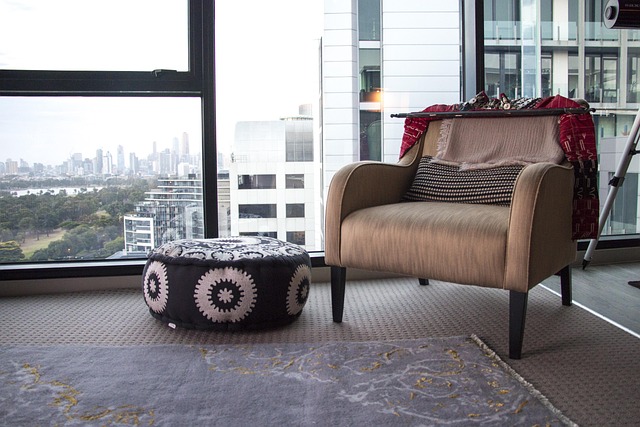
Shifting Architectural Priorities Toward Compact Living
Urban density and environmental limits push architects to design smaller dwellings that still feel generous. Modern architecture now values function over ornamentation, simplicity over excess. This shift mirrors global concerns about energy use and land scarcity. Advances in engineered timber, lightweight steel framing, and 3D-printed components have made it easier to create compact structures that perform like larger homes.
How Contemporary Design Philosophies Influence Space Efficiency
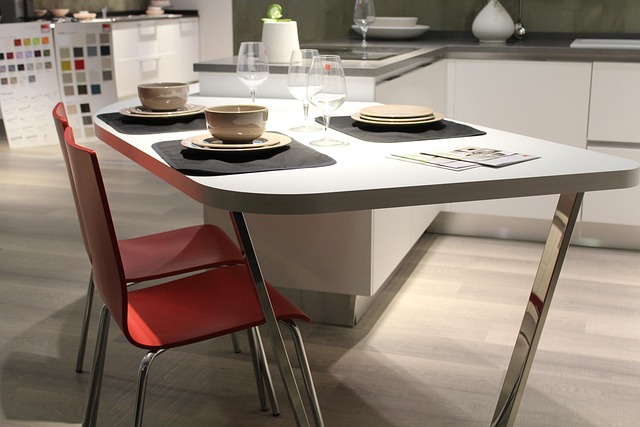
Open-concept layouts dominate small modern house plans because they dissolve unnecessary walls and maximize light flow. Modular furniture—folding desks, wall beds, retractable dining tables—turns one room into many without clutter. Designers also use verticality strategically: double-height spaces or clerestory windows give the illusion of volume even when the footprint is minimal.
Core Principles Behind Space-Efficient Modern Homes
Compact living isn’t merely about shrinking dimensions; it’s about refining circulation and usability so that each area supports multiple activities seamlessly.
The Role of Spatial Optimization in Modern Architecture
Spatial zoning separates private areas from social ones while reducing hallways or transitional zones that waste area. In a 600-square-foot home, a few inches gained through layout precision can significantly improve comfort. Built-in cabinetry merges with wall planes to preserve visual calm while storing daily essentials discreetly.
Material Innovation and Construction Techniques Supporting Efficiency
Lightweight structural systems such as cross-laminated timber panels allow open spans without heavy beams. Prefabrication has become central to small home construction; it cuts site waste by up to 30% and shortens build times dramatically. Sustainable materials—like recycled aluminum cladding or hemp insulation—help balance high performance with low environmental impact.
Design Strategies Defining Small Modern House Plans for 2026
Emerging technologies and flexible interiors are reshaping what a small home can accomplish. Future-ready designs merge automation with adaptability to meet diverse lifestyle needs.
Integration of Smart Home Technologies
Automation systems now regulate climate, lighting, and energy flow automatically based on occupancy patterns. IoT-enabled appliances learn user habits—turning off power-hungry devices during idle hours—to reduce consumption further. Compact HVAC units integrated within cabinetry eliminate bulky mechanical rooms, freeing more usable space for living areas.
Multi-Purpose Zones and Transformable Interiors
Sliding partitions redefine how rooms behave throughout the day: an office by morning becomes a guest suite at night. Convertible sofas or foldaway kitchen islands multiply function without adding square footage. Hybrid zones are increasingly common—where cooking, working, and socializing coexist harmoniously within one cohesive environment.
Aesthetic Minimalism as a Functional Tool
Minimalism in small modern houses is not just visual restraint; it’s an operational strategy that makes tight spaces livable and calm.
Visual Continuity and Perceived Spaciousness
Neutral color palettes expand perceived boundaries while consistent finishes maintain flow between rooms. Large glazing panels connect interiors with outdoor decks or courtyards, extending sightlines beyond walls. Hidden storage behind flush panels keeps surfaces clean—a subtle discipline that amplifies serenity in limited quarters.
Balancing Form and Function in Compact Architecture
Exterior simplicity mirrors internal efficiency: flat roofs double as terraces; smooth facades reduce maintenance cycles over decades. Structural clarity—using fewer but stronger elements—supports long-term durability while expressing honesty in design language typical of modernist traditions.
Environmental Performance in Small Modern Homes
Sustainability is intrinsic to the small-home movement; efficiency here extends beyond space into energy cycles and resource management.
Energy Efficiency Through Passive Design Strategies
Proper orientation captures prevailing breezes for natural ventilation while maximizing daylight penetration during winter months. High-performance insulation paired with triple-glazed windows stabilizes indoor temperatures year-round. Adjustable shading systems manage solar gain dynamically so occupants rarely need mechanical cooling except during extremes.
Sustainable Resource Management in Compact Living Environments
Rainwater harvesting tanks hidden beneath decks supply irrigation or toilet flushing needs efficiently. Rooftop solar arrays scaled for micro-dwellings can offset nearly all operational energy demand when combined with battery storage. Lifecycle analysis increasingly drives material selection—from low-carbon concrete alternatives to reclaimed wood flooring—to minimize embodied emissions across decades of use.
Future Outlook: How Small Modern House Plans Could Redefine Space Efficiency by 2026?
The next phase of compact architecture will combine digital intelligence with collective sustainability models that extend beyond individual houses into community-scale ecosystems.
Anticipated Trends in Micro-Living Innovations
By 2026, modular neighborhoods may emerge where shared facilities like laundries or gardens reduce individual footprints while enhancing social connection. AI-driven design tools could simulate occupant behavior before construction begins, fine-tuning layouts for maximum usability per square meter. Adaptability will dominate planning logic as households demand spaces that evolve alongside shifting work-life dynamics.
The Broader Architectural Implications of Compact Living Models
Cities may revise zoning codes to accommodate micro-lots or cluster housing typologies supporting density without congestion. Real estate valuation metrics could pivot toward measuring functional performance instead of raw size—a profound shift rewarding intelligent design over luxury sprawl. Collectively, these models promise more resilient urban growth patterns where efficiency equates directly with sustainability rather than austerity.
FAQ
Q1: Why are small modern house plans gaining popularity?
A: Rising land costs, environmental awareness, and flexible remote work lifestyles make compact homes appealing for both affordability and reduced ecological impact.
Q2: How do architects make tiny homes feel larger?
A: They rely on open layouts, tall ceilings, continuous materials, and abundant daylight to expand perception without increasing actual size.
Q3: Are prefabricated small homes durable long term?
A: Yes, modern prefab systems use high-grade structural materials like CLT or galvanized steel that meet international durability standards such as ISO 15686 for building life cycle performance.
Q4: What technologies enhance energy efficiency in small homes?
A: Smart thermostats compliant with IEEE IoT protocols manage temperature precisely while passive features like orientation and insulation cut overall energy loads significantly.
Q5: Can tiny houses support sustainable off-grid living?
A: Many current designs integrate photovoltaic panels certified under IEC standards along with water recycling units enabling near-complete autonomy from municipal utilities.