
Are Modern Farm Style House Plans Redefining the Future of Clean Energy
All About Modern Farmhouse Style
Modern farm style house plans represent a thoughtful evolution of rural architecture, merging sustainability with advanced energy systems. This design philosophy values open interiors, natural materials, and renewable technologies that redefine how rural living aligns with the future of clean energy. The modern farmhouse is not just aesthetic nostalgia—it’s a forward-looking model for sustainable housing that balances tradition with innovation.
The Architectural Evolution of Modern Farm Style House Plans
The transformation of the farmhouse into a modern architectural statement reflects both cultural shifts and technological progress. Architects now treat these homes as laboratories for sustainable living, integrating energy-conscious design with timeless charm.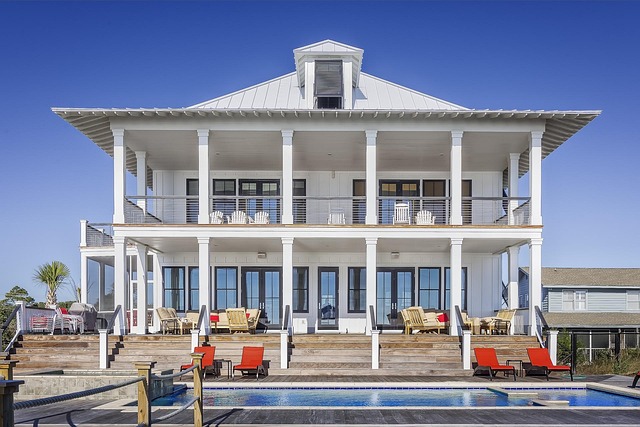
Defining the Modern Farmhouse Aesthetic
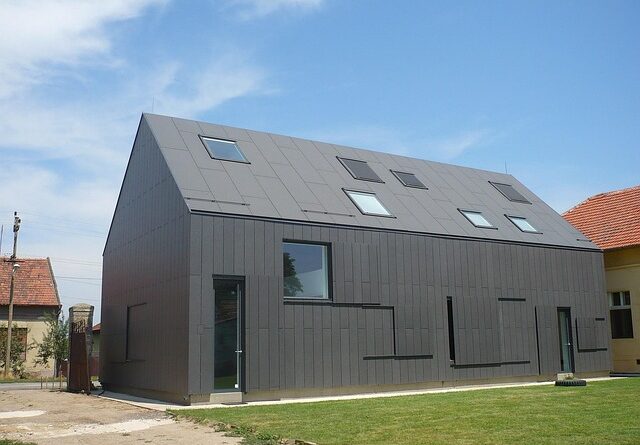
Modern farmhouse design blends rustic simplicity with refined modernity. It retains classic elements like pitched roofs, exposed beams, and wide porches while introducing open floor plans and minimalist finishes. Large windows invite natural light, creating bright interiors that connect occupants to surrounding landscapes. Sustainable materials—such as reclaimed timber and metal cladding—enhance durability and reduce environmental impact. This hybrid style appeals to those seeking authenticity without sacrificing comfort or technology.
Key Design Elements That Support Energy Efficiency
Energy efficiency anchors the architectural logic of modern farmhouses. High-performance insulation stabilizes interior temperature year-round, while double or triple-glazed windows limit heat loss. Orientation plays a strategic role: south-facing facades capture winter sunlight for passive heating, whereas deep eaves mitigate summer glare. Natural ventilation through clerestory windows or cross-breezes reduces mechanical cooling needs. These small design choices collectively cut energy consumption while maintaining comfort.
Integration of Clean Energy Technologies in Modern Farmhouses
The integration of clean energy systems turns traditional homesteads into self-sufficient microgrids. Designers increasingly view renewable generation as part of the architecture itself rather than an afterthought.
Solar Power as a Foundational Energy Source
Solar technology fits seamlessly into modern farm style house plans thanks to their sloped roofs and ample exposure. Photovoltaic panels mounted on metal or composite shingles generate electricity while preserving visual harmony. Battery storage systems smooth out supply fluctuations, storing excess power for nighttime use. Smart inverters regulate current flow across appliances, improving reliability and reducing grid dependence.
Geothermal and Wind Solutions for Rural Properties
In rural settings where land is abundant, geothermal systems provide efficient heating and cooling by tapping stable underground temperatures. Horizontal loops or vertical wells circulate fluid to transfer heat naturally. Small wind turbines complement solar arrays in windy regions, producing clean electricity during overcast periods. Hybrid setups—solar plus wind plus geothermal—deliver balanced output throughout the year.
Sustainable Building Materials and Construction Practices
Material selection defines both the ecological footprint and longevity of any building project. In modern farmhouses, sustainability is visible in every joint and finish.
Eco-Friendly Material Selection in Modern Farm Style Homes
Builders favor reclaimed barn wood for flooring and beams, recycled steel for framing, and low-VOC paints to maintain indoor air quality. Using local quarries or sawmills cuts transportation emissions significantly. These choices not only express regional identity but also extend building lifespans by relying on proven natural materials rather than synthetic composites.
Advanced Construction Techniques Supporting Clean Energy Goals
Prefabricated wall panels reduce on-site waste while ensuring precision fitting that tightens the building envelope against leaks. Airtight construction enhances thermal performance without compromising ventilation when paired with heat recovery systems. Smart home integration adds another layer—sensors track real-time energy use so homeowners can adjust consumption habits instantly via mobile dashboards.
The Role of Smart Home Systems in Energy Optimization
Smart technologies transform static buildings into adaptive environments capable of learning from user behavior and external conditions.
Automation and Data Analytics for Energy Management
Smart thermostats analyze occupancy patterns to fine-tune heating schedules automatically. Data analytics platforms flag inefficiencies such as standby power drain or uneven HVAC loads, prompting corrective actions before bills spike. Centralized control hubs synchronize lighting, appliances, and renewable inputs into one intuitive interface accessible remotely.
Linking Modern Farmhouses to Broader Smart Grids
Grid-connected farmhouses act as active participants in regional power networks rather than passive consumers. When solar panels overproduce, excess electricity flows back to the grid under net metering agreements recognized by utility regulators like IEEE standards committees (IEEE 1547). Demand-response software adjusts appliance operation during peak hours to stabilize supply-demand balance across communities.
Economic and Environmental Implications of Clean Energy Integration
Beyond aesthetics or comfort, clean energy adoption reshapes economic models for developers and homeowners alike while contributing to climate goals set by international agencies such as IEA.
Long-Term Cost Benefits for Homeowners and Developers
Self-generated power slashes monthly utility expenses by up to 70% depending on system size and local tariffs. Governments often offer tax credits or rebates under renewable incentive programs that shorten payback periods dramatically. Green certifications like LEED or Passive House raise property values by signaling verified sustainability performance to buyers.
Contribution to Broader Clean Energy Transition Goals
Distributed generation from residential rooftops supports national decarbonization targets outlined in IRENA’s global roadmap toward net-zero emissions by 2050. Each modern farmhouse thus becomes part of a decentralized network advancing rural electrification through renewables while demonstrating scalable design strategies adaptable across climates.
Future Directions in Modern Farm Style House Planning and Clean Energy Design
As technology evolves rapidly, architects must anticipate new materials and energy paradigms shaping tomorrow’s rural living spaces.
Emerging Technologies Shaping the Next Generation of Farmhouses
Hydrogen-ready boilers may soon replace gas units, offering flexibility between current fuels and future hydrogen blends standardized under ISO/TC 197 guidelines. Bio-based insulation made from hemp or cellulose stores carbon naturally during its lifecycle, turning walls into active carbon sinks. AI-driven modeling tools simulate site-specific sun paths or wind flows before construction begins, improving performance predictions at minimal cost.
Collaborative Approaches Between Architects, Engineers, and Energy Experts
Effective collaboration ensures that design beauty aligns with technical precision. Joint digital platforms allow architects to share live data from sensors with engineers monitoring renewable systems’ efficiency over time—a practice gaining traction under smart building frameworks promoted by IEC standards committees (IEC TC 57). Policy coordination among planners further harmonizes innovation incentives with environmental codes at municipal levels.
FAQ
Q1: What distinguishes modern farm style house plans from traditional farmhouses?
A: They retain rustic aesthetics but add open layouts, sustainable materials, and integrated smart technologies suited for contemporary living standards.
Q2: How do solar panels fit visually into farmhouse architecture?
A: Panels are often installed flush with sloped metal roofs or concealed within roofing materials to preserve symmetry without reducing efficiency.
Q3: Are geothermal systems practical for smaller rural homes?
A: Yes, compact horizontal loop designs can serve modest plots efficiently if soil conditions support adequate heat exchange capacity.
Q4: What role does smart grid connectivity play in these homes?
A: It allows surplus renewable electricity export while enabling dynamic load management aligned with broader grid stability requirements.
Q5: Will hydrogen become common in future farmhouses?
A: Likely so; emerging hydrogen-ready infrastructure suggests gradual integration as supply chains mature within global clean energy transitions led by IEA projections toward 2040–2050 benchmarks.