
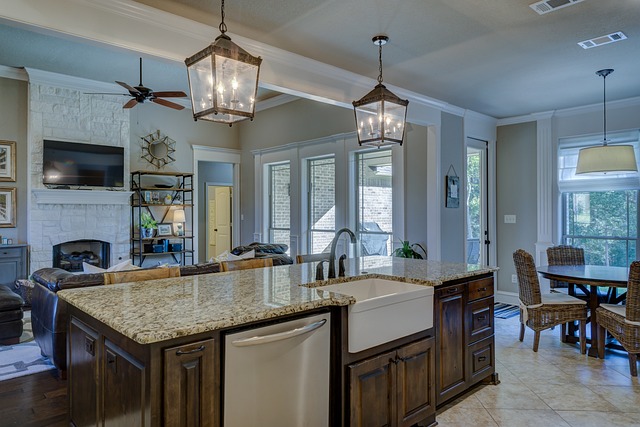
How Can Farmhouse Modern Plans Elevate An 800-Square-Foot Dream Cottage
How To Design An 800-Square-Foot Cottage That Feels Like A Dream
A well-designed 800-square-foot cottage can feel expansive when guided by farmhouse modern plans. This design philosophy merges rustic comfort with clean-lined modernity, creating homes that are both efficient and emotionally resonant. The key lies in spatial clarity, material honesty, and sustainable integration. By combining open layouts, renewable energy alternatives, and locally sourced finishes, even the smallest cottage can achieve a sense of luxury and permanence.
Integrating Farmhouse Modern Plans Into Compact Cottage Design
Farmhouse modern architecture redefines small-space living through a blend of texture, proportion, and natural light. It’s not about replicating rural nostalgia but about translating its warmth into a contemporary form that fits compact footprints.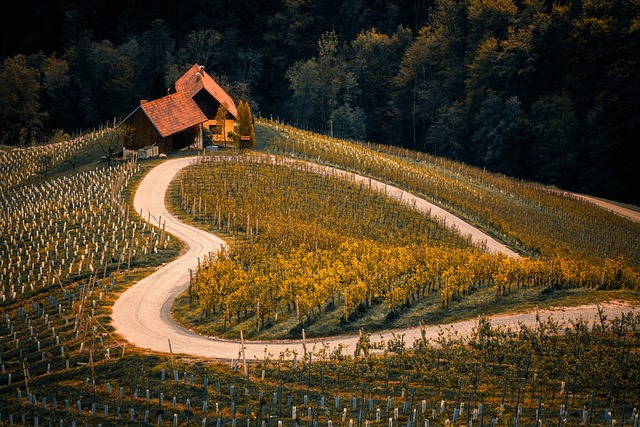
The Essence of Farmhouse Modern Architecture
This architectural style fuses rustic farmhouse details—like exposed beams and shiplap walls—with sleek surfaces and minimal ornamentation. Natural materials such as timber, stone, and steel dominate its palette. Open layouts remove unnecessary partitions to encourage fluid movement between kitchen, dining, and living zones. Functionality takes priority over decoration, producing spaces that feel grounded yet refined. The result is an atmosphere where simplicity meets sophistication.
Adapting Farmhouse Modern Principles to an 800-Square-Foot Layout
In small cottages, every square foot must serve multiple purposes. Open-concept living areas help maintain visual flow while multifunctional furniture—like built-in benches with storage or convertible tables—adds flexibility. Vertical elements such as tall shelving or lofted sleeping areas expand usability without cluttering the footprint. When arranged thoughtfully, these strategies make an 800-square-foot home feel far larger than its dimensions suggest.
Spatial Optimization Strategies in Small-Scale Farmhouse Modern Homes
Compact homes thrive on thoughtful zoning and light management rather than size alone. The spatial rhythm of a farmhouse modern plan depends on how rooms interact visually and functionally across shared boundaries.
The Role of Layout Efficiency in Compact Living
Efficient layouts depend on subtle divisions rather than closed rooms. Using partial walls or furniture placement helps define zones while keeping sightlines open. Combining kitchen, dining, and lounge areas fosters social connection—a hallmark of farmhouse living—while maintaining the minimalist order expected in modern interiors. Flexibility is vital; sliding partitions or modular furnishings allow spaces to evolve with changing needs.
Enhancing Natural Light and Visual Continuity
Large windows framed in black steel or wood invite sunlight deep into the interior. Glass doors blur the line between inside and outside, extending perceived space. Pale color schemes—think soft whites or muted greys—reflect daylight to amplify brightness. Strategically placed mirrors or metallic accents introduce depth without overwhelming the eye. Lighting layers from pendants to recessed fixtures create mood variation across functional zones.
Material Selection for Aesthetic and Functional Harmony
Material choice defines both the tactile comfort and environmental performance of a small home. In farmhouse modern plans, authenticity matters more than ornamentation.
Combining Traditional Textures with Contemporary Finishes
Reclaimed wood adds character through visible grain patterns that contrast beautifully with smooth concrete floors or glass railings. Matte finishes soften reflections while polished metals introduce crisp highlights for visual balance. Mixing rough-hewn timber with brushed steel keeps the aesthetic cohesive yet dynamic. Using local materials not only reduces transport emissions but also roots the design in its geographic context.
Sustainable Building Materials in Modern Farmhouse Cottages
Sustainability enhances longevity in compact dwellings. Engineered timber offers structural strength with minimal waste compared to traditional lumber milling processes recognized by ISO sustainability standards (ISO 14001). Low-VOC paints protect indoor air quality—a critical factor in smaller volumes where ventilation is limited. Insulated panels improve thermal regulation without thickening walls unnecessarily, keeping interiors efficient year-round.
Incorporating Renewable Energy Alternatives into Farmhouse Modern Plans
Energy independence aligns naturally with the self-sufficient spirit of farmhouse design. Integrating renewable energy alternatives transforms a small cottage into a model of ecological responsibility.
Energy-Efficient Systems for Small Homes
Solar panels integrated into standing-seam metal roofs preserve clean lines while generating electricity discreetly. Geothermal loops beneath compact lots provide steady heating and cooling performance documented by IEA efficiency benchmarks for residential systems. Smart thermostats coordinate lighting and HVAC schedules automatically to reduce consumption peaks without sacrificing comfort.
Water Conservation and Waste Management Strategies
Greywater recycling channels sink or shower runoff toward garden irrigation systems—a practice increasingly supported by regional building codes for sustainable housing. Low-flow faucets maintain water pressure while cutting usage nearly 30 percent compared to standard fixtures (EPA WaterSense data). Composting setups handle organic waste efficiently for rural plots where municipal collection may be limited.
Interior Detailing That Defines the Modern Farmhouse Character
Details shape emotional resonance within constrained dimensions. Every finish should contribute warmth without cluttering visual space.
Blending Rustic Charm with Contemporary Functionality
Exposed ceiling beams paired with minimalist cabinetry create balance between tradition and innovation. Textured fabrics like linen curtains or wool throws soften linear furniture profiles common in modern interiors. Industrial-style fixtures—black iron sconces or brushed brass pendants—add tactile contrast against natural wood ceilings or plaster walls.
Creating Emotional Warmth Through Design Elements
Layered lighting builds ambiance: recessed lights for task areas, sconces for glow, pendants for drama. Handcrafted joinery reveals human touch often missing from mass-produced interiors, giving each corner individuality. Framing outdoor views through large panes connects daily routines to landscape rhythms—a subtle reminder that even modest homes belong within their environment.
Landscape Integration and Outdoor Connectivity in Cottage Design
Exterior planning completes the spatial experience by extending interior qualities outward through thoughtful transitions.
Extending Living Spaces Beyond Interior Walls
Covered porches double as semi-outdoor lounges during mild seasons while protecting entries from weather exposure. Compact outdoor kitchens equipped with stone counters encourage year-round use when paired with fire pits or portable heaters. Planting native species minimizes maintenance needs while maintaining ecological continuity between built form and site terrain.
Site Orientation for Environmental Performance
Positioning main glazing toward southern exposure captures passive solar heat during winter months as recommended by IRENA’s residential energy guidelines. Vegetative windbreaks moderate airflow around façades to reduce heat loss on cold days while improving summer shade comfort levels naturally. Permeable paving materials manage runoff effectively across driveways or patios without disrupting groundwater recharge cycles.
FAQ
Q1: What defines farmhouse modern plans?
A: They combine rustic textures like wood beams with clean lines and open layouts typical of contemporary architecture.
Q2: How can renewable energy alternatives fit small cottages?
A: Solar panels integrated into roofs or compact geothermal systems deliver efficient power generation without altering aesthetics.
Q3: Which materials best suit an 800-square-foot cottage?
A: Reclaimed wood, engineered timber, glass accents, and low-VOC finishes maintain durability while supporting sustainability goals.
Q4: How does layout influence spaciousness?
A: Open-concept zones supported by multifunctional furniture keep circulation fluid and prevent visual fragmentation in tight spaces.
Q5: What outdoor features enhance livability?
A: Covered porches, native landscaping, and permeable paths extend usability beyond walls while strengthening environmental performance.