
Can Single Storey Home Plans Inspire the White House Modernization Vision
White House, Architecture, Preservation, Modernization, Ballroom
The White House stands as both a political emblem and an architectural narrative that reflects America’s dialogue between tradition and progress. Its evolution from neoclassical roots to a technologically advanced residence mirrors the broader tension between preservation and modernization in institutional design. Contemporary architectural strategies—such as those inspired by single storey home plans—offer lessons in accessibility, spatial logic, and sustainability. The challenge lies in integrating these modern principles without eroding historical integrity. In this context, modernization becomes not an act of replacement but of reinterpretation, ensuring that national heritage remains both functional and symbolically potent.
Exploring the Architectural Dialogue Between Tradition and Modernization?
Architecture at the White House is more than a visual statement; it’s a living system that adapts to changing cultural expectations while retaining its historic gravitas. Each renovation or expansion carries implications for how the nation perceives authority, transparency, and continuity.
The White House as a Symbol of Architectural Continuity
The White House embodies centuries of design adaptation. Its neoclassical foundation anchors it within Western architectural lineage, yet ongoing updates—from Truman’s structural overhaul to Obama-era energy retrofits—illustrate evolving priorities. This balance between old and new demands precision: preserving symbolic façades while incorporating systems for safety, communication, and sustainability. Such equilibrium underscores how architecture can sustain identity even amid technological transformation.
Modernization as a Reflection of Contemporary Architectural Thinking
Modernization projects often echo prevailing theories in architecture. The shift toward sustainable materials and adaptive reuse reflects global concern for environmental stewardship. Accessibility upgrades align with inclusive design standards found in public institutions worldwide. Yet integrating fiber optics or HVAC systems into 18th-century masonry requires ingenuity—concealing innovation within tradition so that form never betrays function.
Understanding the Relevance of Single Storey Home Plans in Institutional Architecture?
Institutional buildings have long favored vertical hierarchy—symbolizing power through elevation—but recent trends suggest a return to horizontal logic reminiscent of residential layouts. This reorientation prioritizes human experience over monumentality.
Core Principles of Single Storey Design
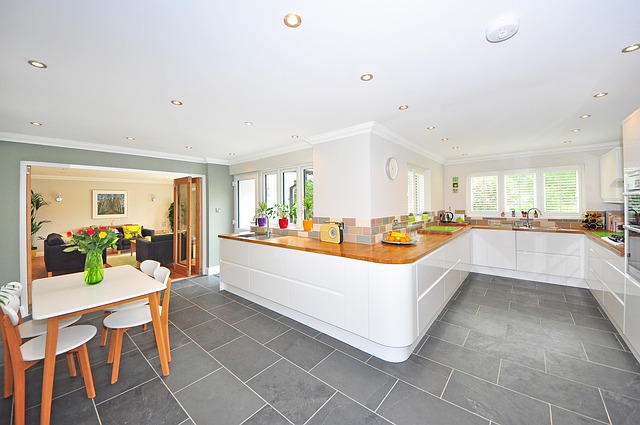
Single storey home plans emphasize fluid movement across spaces rather than between levels. Their open layouts enhance daylight penetration and visual cohesion, fostering comfort and clarity. In institutional contexts, such spatial clarity can improve workflow efficiency while supporting accessibility for individuals with mobility constraints. The seamless transition between indoor and outdoor zones also mirrors current environmental design thinking that values biophilic connection.
Translating Residential Simplicity into Institutional Grandeur
Adapting domestic simplicity to grand architecture requires structural creativity—long-span beams, distributed load systems, or modular zoning can translate horizontal flow into monumental scale. For administrative wings or ceremonial halls, this approach reduces compartmentalization and encourages transparency. It also aligns with modern workplace psychology emphasizing openness over hierarchy.
Reimagining the White House Through Contemporary Spatial Logic?
Applying single storey concepts to the Executive Residence invites speculation about how tradition might coexist with spatial modernity without diminishing ceremonial dignity.
Potential Influence of Single Storey Planning on the Executive Residence
A ground-level reconfiguration could streamline circulation for staff operations while improving accessibility for guests. Simplified pathways minimize redundancy in daily logistics—from catering routes to security checkpoints—enhancing both comfort and efficiency. Open-plan adaptations could introduce lighter atmospheres within historically rigid interiors while maintaining formal elegance through proportion control and material restraint.
Integrating Modern Design with Historical Preservation Standards
Preservation principles advocate reversible interventions: changes must not permanently alter original fabric. Modular installations or adaptive partitions allow modernization without irreversible impact. Material selection remains critical; new composites must visually harmonize with traditional stone or plaster yet perform under contemporary energy codes. This dual respect for authenticity and performance defines responsible restoration practice under international conservation charters such as those recognized by UNESCO.
The Role of Functionality and Aesthetics in Ballroom Modernization?
Among all rooms in the White House, the ballroom epitomizes ceremonial splendor—and thus presents unique challenges when adapting to modern needs like media broadcasting or climate control.
Adapting Ceremonial Spaces to Contemporary Needs
Today’s state events demand flexibility: lighting rigs for press coverage one evening, acoustic refinement for orchestral performances the next. Retrofitting concealed ductwork or adjustable LED systems allows multipurpose use without aesthetic disruption. Climate stability protects artworks and textiles while maintaining guest comfort during long formal gatherings.
Harmonizing Classical Ornamentation with Modern Infrastructure
Technological integration must remain invisible to preserve visual harmony—acoustic panels disguised as decorative moldings or sensors embedded within cornices exemplify this subtlety. Digital modeling enables precise replication of lost ornamentation during restoration phases, ensuring fidelity to historic detail even when materials differ from originals. Such craftsmanship bridges eras rather than dividing them.
Architectural Lessons from Domestic Simplicity for Institutional Renewal?
The intersection between residential design logic and national architecture reveals deeper philosophical currents about human scale within monumental settings.
The Philosophical Intersection Between Home Design and National Architecture
Residential architecture privileges intimacy, comfort, and adaptability—qualities often absent from civic monuments yet vital for human engagement. Introducing these values into government buildings softens their formality without undermining authority, creating environments where diplomacy feels approachable rather than distant.
Toward a Vision of Sustainable Heritage Architecture
Sustainability now defines architectural legitimacy as much as beauty or symbolism. Passive ventilation strategies drawn from single storey home plans can inform large-scale retrofits by reducing mechanical loads while respecting façade integrity. Energy-efficient glazing hidden behind original window frames merges conservation ethics with carbon reduction goals endorsed by organizations like IEA and ISO 14001 standards on environmental management systems.
FAQ
Q1: How does modernization affect the historical authenticity of the White House?
A: When guided by reversible interventions and material compatibility standards, modernization enhances usability without compromising authenticity.
Q2: Can single storey home plan concepts apply effectively to institutional buildings?
A: Yes, their emphasis on horizontal flow improves accessibility and operational clarity even in large-scale administrative contexts.
Q3: Why is sustainability central to contemporary preservation?
A: Because energy-efficient retrofits extend building lifespan while aligning heritage sites with global carbon reduction targets set by IEA frameworks.
Q4: What challenges arise when updating ceremonial ballrooms?
A: Integrating lighting, acoustics, and climate control invisibly within ornate interiors demands precision engineering balanced with aesthetic restraint.
Q5: How does domestic simplicity influence national architecture today?
A: By reintroducing human scale into monumental spaces, it fosters environments that feel both dignified and relatable—a subtle but powerful evolution in civic design philosophy.