
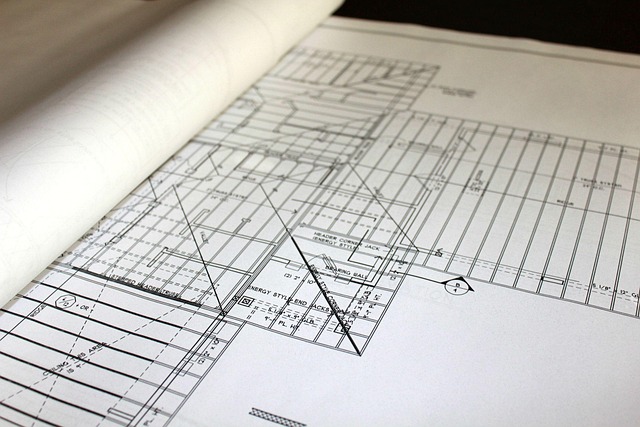
Are House Plan Drawing Trends Signaling the Shift to Broken Floor Plans in 2026
Designers Say “Broken Floor Plans” Are Replacing Open Concept in 2026—Here’s Why
Residential architecture is entering a new phase where openness meets structure. The open concept, once celebrated for its light and fluidity, is gradually giving way to the “broken floor plan.” By 2026, designers forecast that this hybrid layout will dominate house plan drawing trends. The shift stems from changing lifestyles—remote work, multi-generational living, and heightened awareness of acoustics and energy use. Architects are no longer chasing endless openness; they’re designing homes that breathe yet protect privacy, connect yet compartmentalize.
The Changing Landscape of Residential Architecture
The evolution of residential architecture mirrors social and technological transformations. As lifestyles diversify, the home must adapt to both communal and private needs.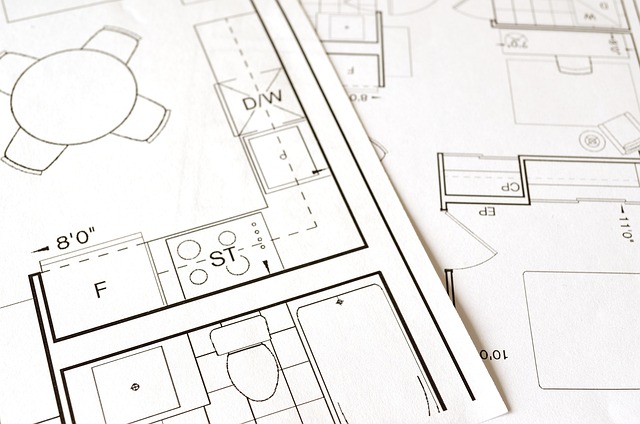
Evolution from Open Concept to Broken Floor Plans
Open floor plans once symbolized modern living and spatial freedom. They removed barriers between kitchen, dining, and living zones, promoting interaction and maximizing light. Yet as families began spending more time at home—especially post-2020—the drawbacks became clear. Noise traveled freely, cooking smells spread unchecked, and privacy evaporated. Designers now respond with layouts that balance openness with defined zones. Partial partitions or varying ceiling heights create distinct areas without sealing them off completely. This redefinition of flow marks a practical maturity in design thinking.
Societal and Cultural Influences on House Plan Drawing Trends
Cultural behavior drives architectural form as much as technology does. Remote work has turned dining tables into offices and bedrooms into conference spaces. In many regions, multi-generational households are rising again, creating demand for semi-private zones within shared homes. Privacy and acoustic control influence every house plan drawing today. Thermal efficiency also plays a role: divided spaces retain heat better than vast open ones. These social realities push architects to sketch homes that reflect how people truly live—not just how they aspire to appear on glossy magazine pages.
Understanding the “Broken Floor Plan” Concept
The broken floor plan isn’t a nostalgic return to enclosed rooms but an evolved response to modern complexity.
Defining the Broken Floor Plan in Architectural Terms
A broken floor plan introduces subtle separations through partial walls, screens, or level changes. It keeps sightlines open while moderating sound and activity flow. Instead of isolating functions completely, it layers them visually and spatially. The approach values flexibility: one can cook while chatting with guests yet still enjoy a sense of enclosure when needed.
Key Design Principles Behind Broken Floor Plans
Spatial layering forms the backbone of this concept. Designers use materials, textures, or even furniture placement to define boundaries without solid barriers. Sliding panels or glass partitions allow transformation between open and closed modes depending on use or mood. Lighting design becomes critical—accent lights can delineate areas without physical division, while circulation paths maintain coherence across zones.
The Role of House Plan Drawing in Reflecting Design Shifts
As architectural philosophies evolve, so do their representations on paper—or screen.
Digital tools have revolutionized how architects communicate these nuanced layouts to clients.
How Digital Tools Are Redefining House Plan Drawings
Advanced CAD and BIM software enable architects to visualize semi-open layouts dynamically. Parametric modeling lets them experiment with modular divisions quickly while maintaining precision in measurement and proportion. Real-time rendering bridges communication gaps: clients can now experience spatial flow virtually before construction begins. This immediacy reshapes collaboration between designer and homeowner.
Interpreting Emerging Patterns in Architectural Drafting Practices
Architectural drawings increasingly highlight sectional perspectives to express vertical separations—like split-level transitions or clerestory openings—that define broken plans. Annotations now indicate acoustic zones or flexible-use areas rather than static room labels such as “living” or “study.” Layered drawing conventions depict transitional boundaries more clearly than before, helping builders translate conceptual subtleties into tangible form.
Functional Benefits Driving the Shift Toward Broken Layouts
The popularity of broken layouts isn’t aesthetic alone; it’s deeply functional.
Enhancing Privacy Without Sacrificing Connectivity
Partial enclosures offer quiet corners for reading or remote work while preserving visual continuity across the home. Transparent materials like ribbed glass or perforated metal screens maintain unity but mute distraction. This balance suits today’s blended domestic life where family members pursue different tasks simultaneously yet remain connected emotionally through shared sightlines.
Acoustic and Environmental Performance Considerations
Sound control defines comfort in multi-use homes more than ever before. Divided spaces help contain noise from kitchens or entertainment areas without total isolation. Environmental performance improves too: smaller thermal zones allow targeted heating or cooling rather than conditioning vast open volumes. Energy modeling tools confirm measurable efficiency gains when applying such segmentation principles in house plan drawing stages.
Aesthetic Implications in Modern House Plan Drawings
Beyond function lies aesthetics—the art of making separation look seamless.
Materiality and Texture as Spatial Dividers
Contrasting finishes like matte plaster beside timber cladding visually separate functions without altering structure. Natural materials such as stone walls or wooden slats bring warmth into segmented interiors while guiding movement intuitively through tactile cues. These choices turn necessary divisions into design statements rather than compromises.
Lighting Strategies Supporting Broken Floor Plans
Lighting shapes perception more subtly than walls ever could. Layered lighting schemes—ambient for general glow, task for focus points—define each zone’s purpose gently yet effectively. Daylight integration through clerestory windows maintains brightness continuity even where physical partitions exist. The result feels cohesive but composed—a hallmark of sophisticated residential design heading into 2026.
Predicting 2026 Trends in Residential Design Documentation
The next few years will see documentation evolve alongside client expectations.
Architects are already adjusting workflows to anticipate shifting demands for flexible living environments.
Anticipated Shifts in Client Preferences Reflected in Drawings
Clients increasingly request adaptable plans accommodating hybrid work-life rhythms: spaces that host both collaboration and solitude seamlessly. They want drawings that visualize not only open gathering areas but also private retreats tucked nearby—a duality reflecting real-world use rather than aspirational minimalism.
How Architects Are Preparing for the 2026 Transition
Firms are developing template libraries embedding broken-plan logic by default—movable partitions, layered lighting diagrams, acoustic annotations—all standardized for efficiency across projects. Training programs emphasize clarity in communicating hybrid layouts so builders interpret drawings accurately on-site despite their layered complexity.
FAQ
Q1: What defines a broken floor plan compared to traditional open concept?
A: A broken floor plan uses partial separations like screens or level changes to divide space subtly while keeping visual connection intact.
Q2: Why are homeowners moving away from open concepts?
A: Rising remote work needs privacy; families seek quieter zones; energy efficiency favors smaller conditioned areas over expansive continuous ones.
Q3: How does house plan drawing adapt to this trend?
A: Modern digital tools allow architects to model semi-open spaces dynamically with annotations showing flexible functions instead of fixed rooms.
Q4: Are broken floor plans suitable for small homes?
A: Yes; thoughtful layering creates depth without sacrificing usable area, making compact houses feel structured yet airy.
Q5: What aesthetic benefits come from using broken layouts?
A: They add texture variety through materials and lighting contrasts while maintaining cohesive flow—a balance between warmth and modern clarity.