
Is Facade Retention the Key to Preserving Heritage Buildings in Vancouver
Heritage Buildings Reconstructed for Facade of New 15-Storey Hotel in Vancouver
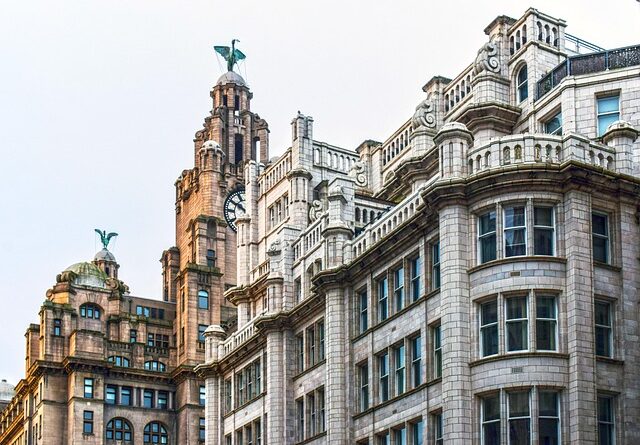
Vancouver’s latest 15-storey hotel project demonstrates how facade retention can reconcile the city’s rapid vertical growth with its obligation to preserve heritage character. The reconstruction of historic facades along this development site retains the street’s architectural rhythm while accommodating a modern hospitality program behind them. This approach reflects a pragmatic balance between conservation and economic viability, where heritage becomes both an aesthetic anchor and a cultural statement in a transforming skyline.
Defining Facade Retention and Its Architectural Significance
Facade retention has evolved as one of the most debated methods in architectural conservation. Before exploring its role in redevelopment, it is crucial to understand its technical and cultural implications.
Explanation of Facade Retention as a Conservation Strategy
Facade retention refers to the practice of preserving the exterior walls or frontages of heritage buildings while replacing their interiors with new construction. It allows cities to maintain visual continuity along historic streetscapes even when structural upgrades or new uses demand substantial alteration. In architectural terms, it represents a compromise—retaining the symbolic face of history while enabling contemporary spatial efficiency and safety standards.
The Balance Between Preserving Visual Heritage and Accommodating Modern Development
The method walks a fine line between authenticity and practicality. Urban planners often defend facade retention as a necessary adaptation in dense downtown cores where full preservation is economically untenable. Developers gain flexibility for modern amenities, while communities retain familiar streetscapes that sustain local identity. Yet critics argue that this approach risks reducing heritage to mere scenery if not handled with architectural sensitivity.
Historical Evolution of Facade Retention Practices in Urban Architecture
The technique gained prominence in post-war Europe, where reconstruction efforts sought to rebuild war-damaged cities without erasing their historical image. Over time, cities like London and Sydney institutionalized facade retention within planning policy as a tool for integrating old masonry with steel-framed high-rises. Vancouver’s adoption follows this lineage but adapts it to North American zoning pressures and seismic requirements.
The Role of Facade Retention in Urban Redevelopment
In contemporary urbanism, facade retention operates at the intersection of preservation ethics and real estate pragmatism. Its application often reveals how cities negotiate competing priorities between memory and modernization.
How Facade Retention Mediates Between Heritage Conservation and Urban Densification
Vancouver’s downtown core faces intense pressure for vertical expansion due to limited land supply. Facade retention enables developers to achieve increased floor area ratios while maintaining compliance with heritage guidelines. It acts as an intermediary solution—neither full demolition nor complete preservation—allowing density without total loss of character.
Policy Frameworks That Support or Restrict Facade Retention in Major Cities
Municipal frameworks typically require heritage impact assessments before approval. In Vancouver, projects involving registered heritage structures undergo review by the Heritage Commission under the city’s Heritage Conservation Program. Similar policies exist globally: London’s Planning (Listed Buildings) Act restricts alteration without consent, while Sydney’s Local Environmental Plans encourage adaptive reuse over facadism.
Comparison With Full-Building Preservation Approaches
Full-building preservation maintains both exterior and interior integrity but often limits functional adaptability. Facade retention offers more flexibility for seismic upgrades, accessibility improvements, and energy performance targets that older structures cannot meet easily. However, it sacrifices original spatial layouts and craftsmanship details that embody historical authenticity.
The Vancouver Context: Heritage Policies and Urban Pressures
Vancouver presents a unique testing ground for facade retention due to its dual commitment to sustainability and rapid urban intensification.
Overview of Vancouver’s Heritage Conservation Framework
The City of Vancouver’s Heritage Conservation Program outlines policies that integrate heritage into urban growth strategies through tools such as density bonuses, transferable development rights, and conservation agreements. These mechanisms incentivize developers to retain historic elements rather than demolish them outright. Additionally, adaptive reuse aligns with the city’s Greenest City Action Plan by reducing embodied carbon through material conservation.
Incentives and Zoning Tools Used to Encourage Adaptive Reuse
Developers may receive additional floor area or relaxed setbacks when retaining designated facades or structures. These incentives make facade retention financially viable while aligning with broader sustainability goals. The city also employs heritage revitalization agreements (HRAs) that formalize commitments between private owners and public authorities regarding restoration scope.
The Integration of Heritage Strategies Within the City’s Sustainability Goals
Heritage conservation contributes directly to environmental performance by minimizing demolition waste and extending building lifecycles. Retained facades reduce demand for new materials, aligning with circular economy principles embedded within municipal sustainability frameworks.
Urban Growth and Its Impact on Heritage Sites
As Vancouver grows upward, tension mounts between economic imperatives and cultural stewardship.
Increasing Demand for Vertical Development in Downtown Vancouver
With rising land values exceeding $2,000 per square foot in some districts, developers seek maximum buildable height. Consequently, retaining only facades becomes an attractive compromise that satisfies both market expectations and regulatory obligations.
Economic Pressures Influencing Developers’ Choices Between Preservation and Demolition
Complete restoration can cost up to 40% more than partial facade integration due to structural retrofitting demands. Therefore, many projects opt for hybrid models where preserved exteriors frame entirely new interiors designed for hospitality or residential use.
How Heritage Buildings Are Repositioned Within New Mixed-Use Projects
In mixed-use developments like the new 15-storey hotel project, retained facades serve as visual anchors at pedestrian level while upper volumes express modern design language through glass curtain walls or metal cladding. This juxtaposition creates layered narratives—historic at street scale yet contemporary above.
Case Examination: Facade Retention in the New 15-Storey Hotel Project
This project exemplifies how technical precision meets cultural negotiation within one site redevelopment effort.
Architectural Integration of Old and New Elements
Engineers employed steel bracing systems behind original masonry walls during excavation phases to prevent collapse. Once stabilized, these facades were tied into reinforced concrete frames using concealed anchors designed for seismic resilience under BC Building Code standards. Material compatibility testing ensured lime-based mortars matched existing brick porosity levels.
Material Compatibility, Structural Reinforcement, and Seismic Considerations
Given Vancouver’s seismic zone classification, engineers prioritized lateral stability through diaphragm connections linking old walls with new slabs. Advanced modeling verified stress distribution across interface joints where century-old brick met modern concrete cores—a delicate engineering balance rarely visible once construction completes.
Aesthetic Continuity Between Historical Facades and Contemporary Architecture
Architects maintained cornice lines from original storefronts while introducing minimalist glazing above them to create vertical dialogue between eras. Lighting design accentuates masonry textures at night without overwhelming their patina—a subtle reminder that preservation can coexist gracefully with innovation.
Regulatory and Community Responses to the Project
Public scrutiny remains high whenever heritage is repurposed under commercial motives.
Review Process by Vancouver’s Heritage Commission and Planning Authorities
The proposal underwent multiple rounds before approval by the Heritage Commission, which evaluated façade treatment details against Standards & Guidelines for the Conservation of Historic Places in Canada (Parks Canada). Conditions included documentation before alteration and interpretive displays explaining historical context within hotel interiors.
Public Perception Regarding Authenticity Versus Architectural Tokenism
Community feedback revealed divided opinions: some praised adaptive reuse as pragmatic stewardship; others criticized it as “facadism,” suggesting superficial homage rather than genuine preservation effort. Such debates reflect broader philosophical divides about what constitutes authenticity in urban memory-making.
Influence of This Project on Future Heritage Redevelopment Proposals in the City
Its approval sets precedent for future developments along Granville Street corridor where similar low-rise heritage stock exists under redevelopment pressure. Planners now reference this case when balancing density targets against cultural continuity benchmarks.
Evaluating the Effectiveness of Facade Retention as a Preservation Strategy
The method delivers visible benefits yet faces persistent criticism from conservation purists.
Benefits for Urban Identity and Cultural Continuity
Retained facades maintain recognizable street rhythms that anchor community identity amid changing skylines. Tourists often perceive such continuity as part of local charm contributing indirectly to economic vitality through cultural tourism appeal.
Contribution to Cultural Tourism and Local Identity Reinforcement
Hotels incorporating preserved exteriors attract visitors seeking authentic experiences rooted in place history—a valuable marketing advantage aligned with experiential travel trends documented by global hospitality analysts like STR Global reports (2023).
Adaptive Reuse Benefits for Sustainability Through Material Conservation
Reusing existing masonry conserves embodied energy otherwise lost through demolition; studies by IEA emphasize that extending building lifespans yields significant carbon savings compared with new construction cycles using virgin materials.
Limitations and Critiques from Conservation Experts
Despite advantages, professionals remain cautious about overreliance on facade retention alone.
Concerns About “Facadism” Reducing Heritage to Superficial Aesthetics
Critics argue this practice risks turning architecture into two-dimensional decoration detached from original function or craftsmanship values once celebrated within those walls.
Loss of Spatial Integrity, Craftsmanship, and Contextual Meaning Behind Preserved Facades
When interiors are replaced entirely, spatial narratives vanish—the relationship between structure layout and social use dissolves—leaving only shells devoid of lived memory significance once integral to community identity formation.
Ethical Considerations in Labeling Such Projects as “Heritage Preservation”
Labeling these hybrids as true preservation raises ethical concerns: does saving a wall justify claiming stewardship over history? Many heritage charters advocate holistic approaches encompassing form, fabric, setting, use—not just frontage survival alone.
Alternative Approaches to Heritage Building Conservation in Vancouver
While facade retention dominates current redevelopment discourse, alternative strategies demonstrate richer outcomes when applied thoughtfully.
Full Restoration and Adaptive Reuse Models
Projects like Gastown warehouses converted into creative offices showcase complete structural rehabilitation preserving timber beams alongside brick envelopes—balancing financial return with authentic material recovery uncommon under partial-retention schemes.
Balancing Economic Feasibility With Authentic Conservation Outcomes
Such models demand higher upfront investment but yield long-term cultural dividends through genuine place attachment valued by residents beyond short-term profit metrics typical in speculative markets.
Integrating Contemporary Design With Heritage Values Beyond Facade Retention
Design teams increasingly experiment with reinterpretation rather than replication—using glass or corten steel inserts echoing historical proportions without mimicking style literally—achieving dialogue instead of disguise between past forms and present functions through collaborative processes involving historians early during concept stages.
Future Directions for Heritage Preservation Policy in Vancouver
Evolving policy must address both demographic growth trajectories and expectations around authenticity standards.
Rethinking Conservation Standards for a Growing City
Future revisions could redefine “meaningful preservation” beyond physical remnants toward experiential continuity including storytelling installations or digital archives complementing built interventions.
Encouraging Innovation While Maintaining Respect for Historical Context
Flexible guidelines would allow architects creative latitude yet require contextual literacy ensuring interventions respect neighborhood morphology rather than impose stylistic contrast purely for novelty effect.
Strengthening Collaboration Between Stakeholders
Effective conservation depends on transparent coordination among developers seeking profitability; architects pursuing design integrity; policymakers enforcing consistency; community advocates safeguarding collective memory—all aligned under shared vision articulated publicly during early planning stages fostering civic trust essential for sustainable urban transformation.
FAQ
Q1: What is facade retention?
A: It is a conservation method preserving building exteriors while redeveloping interiors for modern use such as hotels or offices.
Q2: Why is facade retention common in Vancouver?
A: Because it balances strict zoning limits with strong heritage expectations amid rapid downtown densification pressures.
Q3: Does retaining only facades count as true preservation?
A: Opinions differ; some view it as pragmatic adaptation while others see it as aesthetic compromise lacking historical depth.
Q4: How does facade retention contribute to sustainability?
A: It reduces demolition waste and conserves embodied energy contained within existing materials extending their useful life cycle.
Q5: Will future policies favor full restoration over partial retention?
A: Likely not exclusively; hybrid approaches combining adaptive reuse principles with selective reconstruction will remain dominant given economic realities.