
Can Ventilated Facades Truly Prevent Mould Formation in Modern Buildings
Mould Protection in Facade Systems: Understanding the Role of Ventilated Facades
Ventilated facades play a crucial role in modern building envelope design by reducing moisture accumulation and preventing mould formation. Their layered structure creates a controlled airflow that stabilizes temperature and humidity around the external wall. This mechanism not only improves energy performance but also extends material durability. The combination of ventilation, insulation, and pressure equalization forms a self-regulating system that keeps surfaces dry even under varying climatic loads. Properly designed ventilated facades thus act as both thermal regulators and biological shields for buildings.
The Function of Ventilated Facades in Building Envelope Design
In facade engineering, ventilated systems serve as multifunctional barriers that balance aesthetics, structural protection, and environmental control. They manage the interaction between indoor and outdoor conditions through layered construction.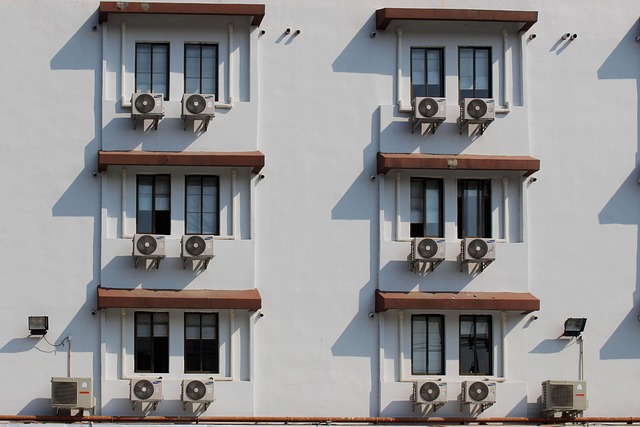
Principles of Ventilated Facade Systems
A ventilated facade typically consists of an outer cladding, an air cavity, insulation, and a supporting wall. The cladding protects against rain and solar radiation, while the cavity allows continuous air movement. Insulation minimizes heat loss, and the structural wall provides stability. This configuration separates weather exposure from thermal control layers.
The ventilation cavity regulates both heat and moisture transfer. Warm air rising within the cavity promotes drying after rainfall, while cooler periods reduce internal condensation risk. The result is a stable microclimate along the facade surface.
Pressure equalization further enhances performance by minimizing water ingress through joints during wind-driven rain events. When cavity pressure matches exterior pressure fluctuations, water penetration is significantly reduced.
Airflow Dynamics and Moisture Management
Airflow inside ventilated cavities follows natural convection principles. As solar radiation warms the cladding, air within the gap becomes buoyant and rises, drawing cooler air from below. This continuous exchange supports passive drying without mechanical assistance.
By maintaining moving air across surfaces, condensation risk decreases because surface temperatures remain closer to ambient conditions. Reduced stagnation limits microbial growth potential on both visible and hidden layers.
Cavity geometry strongly influences ventilation efficiency. Narrow gaps restrict flow, while overly wide cavities disrupt stack effect balance. Inlet and outlet openings must be proportioned to local wind exposure to sustain consistent airflow rates throughout facade height.
Mechanisms Behind Mould Formation in Building Envelopes
Mould formation is primarily driven by biological activity under favorable environmental conditions. Building envelopes that trap moisture or allow condensation create ideal habitats for fungal proliferation.
Biological and Environmental Factors Leading to Mould Growth
Mould requires four basic conditions: adequate temperature (typically 5–35 °C), high relative humidity (above 80%), organic nutrients such as dust or cellulose residues, and stagnant air pockets. Once these align, spores germinate rapidly on damp surfaces.
Relative humidity directly affects spore activation thresholds; when localized RH exceeds 75%, dormant spores become metabolically active. Persistent moisture levels above this limit sustain colony expansion over time.
Thermal bridges—areas with higher heat transfer—often create cold spots where condensation occurs first. These zones become critical initiation points for mould development if not properly insulated or ventilated.
Material Sensitivity to Moisture Accumulation
Facade materials vary in how they absorb or release water vapor. Hygroscopic materials like brick or mineral wool can buffer short-term humidity changes but may retain moisture if drying is insufficient.
Porous substrates encourage capillary absorption, providing internal moisture reservoirs favorable for mould growth. Non-porous materials resist absorption but can still trap condensation at interfaces if vapour control layers are misplaced.
Insulation type also matters: mineral wool offers high vapour permeability allowing drying toward the cavity side, whereas foam-based insulations often have higher vapour resistance that demands precise layer sequencing to prevent interstitial condensation.
Evaluating the Effectiveness of Ventilated Facades in Preventing Mould Formation
A well-designed ventilated facade acts as a dynamic moisture management system rather than a static barrier. Its performance depends on how effectively it moves air and drains incidental water away from sensitive layers.
Moisture Transport Mechanisms in Ventilated Systems
Convective airflow within cavities accelerates drying by replacing humid air with drier ambient air from outside. This process reduces surface wetting duration after rain events or dew formation periods.
Vapour permeability gradients across facade layers promote outward diffusion of internal moisture when combined with slight pressure differences between interior and exterior zones. Balanced permeability prevents vapour entrapment inside insulation layers.
Drainage planes placed behind cladding panels collect infiltrating rainwater and redirect it downward to weep outlets, avoiding accumulation at joints or anchors where corrosion or mould could develop.
Limitations and Potential Weak Points in System Design
Insufficient airflow caused by narrow cavities or obstructed vents can turn a ventilated system into a semi-sealed one where moisture lingers longer than expected. Regular inspection ensures unobstructed pathways remain functional.
Detailing around windows, parapets, or service penetrations often determines long-term reliability. Poorly sealed junctions may allow localized leaks that bypass drainage paths leading to hidden dampness pockets.
Installation quality is equally critical; misaligned insulation boards or improperly fixed membranes compromise intended vapour flow patterns and reduce the system’s ability to prevent biological growth over decades of operation.
Design Parameters Affecting Mould Resistance in Ventilated Facades
The effectiveness of ventilated facades depends on specific design parameters including cavity dimensioning, material compatibility, and vapour control strategies tailored to climate conditions.
Optimal Cavity Dimensions and Airflow Rates
For moderate climates, cavity widths between 40 mm and 80 mm typically provide sufficient airflow without excessive heat loss. In humid coastal regions slightly wider gaps may be beneficial for rapid drying after heavy rainfalls.
Air exchange rate correlates directly with drying potential; higher rates remove residual vapour faster but can increase convective heat losses if not balanced through proper vent sizing.
Facade height amplifies natural stack effect—taller facades generate stronger upward flows—while orientation relative to prevailing winds influences ventilation uniformity across different elevations of the same building envelope.
Material Selection and Vapour Control Strategy
Membranes used behind cladding should be vapour-permeable yet water-resistant to block liquid ingress while allowing trapped vapour escape outwardly. This dual property maintains equilibrium between internal humidity control and external weather resistance.
Compatibility between insulation materials and cladding systems must be verified so that their combined vapour resistances complement each other rather than create unintended barriers that trap moisture internally.
Correct sequencing of layers—from high-resistance inside to low-resistance outside—minimizes interstitial condensation risk especially during seasonal temperature reversals when dew points shift within wall assemblies.
Monitoring, Maintenance, and Long-Term Performance Considerations
Even robust designs require ongoing observation to maintain intended performance levels against environmental wear or unexpected obstructions developing over time within cavities.
Inspection Methods for Detecting Early Signs of Moisture or Mould Issues
Infrared thermography enables non-invasive detection of hidden condensation zones by identifying temperature anomalies associated with damp materials beneath surface finishes before visible damage appears.
Moisture content measurement using electrical resistance probes provides quantitative data on saturation levels within insulation or substrate components helping diagnose early-stage wetting problems accurately.
Scheduled maintenance activities such as cleaning vent openings or checking weep holes prevent debris buildup that could restrict airflow essential for sustained ventilation efficiency throughout building life cycles.
Integrating Smart Monitoring Technologies into Facade Systems
Embedded sensors capable of tracking real-time humidity and temperature variations allow predictive maintenance approaches rather than reactive repairs once deterioration becomes visible externally.
Collected data supports trend analysis revealing seasonal performance shifts enabling facility managers to adjust operational strategies like shading controls or dehumidification settings aligned with actual envelope behavior patterns over years of service.
Comparative Assessment with Non-Ventilated Facade Systems
Comparing ventilated facades against conventional sealed systems highlights clear distinctions in hygrothermal stability, biological resilience, and overall energy balance outcomes under identical exposure scenarios.
Hygrothermal Behavior Differences Between Ventilated and Conventional Designs
Ventilated designs exhibit superior drying capacity since their open cavities continuously remove absorbed moisture unlike solid walls where trapped dampness lingers longer after rainfall events increasing decay probability over time.
Surface temperature distribution across ventilated claddings remains more uniform reducing dew point exceedance frequency thereby lowering condensation-induced degradation risks common in non-ventilated envelopes during night cooling cycles.
Over extended periods these effects translate into improved durability as reduced biological contamination preserves both aesthetic appearance and mechanical integrity compared with traditional plastered walls vulnerable to persistent damp patches fostering mould colonization.
Energy Efficiency Implications Related to Moisture Control Performance
Moisture content directly affects insulation efficiency; saturated materials conduct more heat decreasing thermal resistance values measurable through steady-state testing protocols defined by ISO 9869 standards widely adopted across Europe’s façade research community (ISO).
While increased ventilation slightly elevates convective heat losses during winter months this trade-off remains acceptable given substantial gains achieved through preserved material dryness ensuring consistent thermal performance year-round even under variable humidity loads typical for maritime climates.
FAQ
Q1: What is the main purpose of using ventilated facades?
A: They regulate temperature and humidity around building envelopes while protecting against rain penetration through controlled airflow within an open cavity system.
Q2: How do ventilated facades help prevent mould?
A: Continuous airflow dries surfaces quickly after wetting events reducing prolonged dampness necessary for fungal growth initiation on facade materials.
Q3: Are there standard dimensions for ventilation cavities?
A: Common practice suggests widths between 40 mm–80 mm depending on climate zone though exact sizing should follow project-specific hygrothermal simulations validated by field data measurements under ISO guidance.
Q4: Can smart sensors improve maintenance efficiency?
A: Yes, embedded monitoring devices detect early deviations in humidity trends allowing timely interventions before visible deterioration occurs saving long-term repair costs significantly.
Q5: Do ventilated facades reduce building energy consumption?
A: Indirectly yes; by keeping insulation dry they maintain designed thermal resistance which stabilizes indoor temperatures thus lowering heating energy demand despite minor convective losses through ventilation gaps.