

How Ecogreen Architectural & Engineering Consultants Advance Climate Resilience in Coastal Design
Ecogreen Architectural and Engineering Consultants Studies Climate Resilience in Coastal Development Projects
Coastal cities face rising threats from sea-level rise and extreme weather, demanding new architectural thinking. Ecogreen Architectural & Engineering Consultants lead this shift by embedding climate resilience into every layer of coastal design. Their projects blend ecological intelligence with structural innovation, aligning with global sustainability frameworks. The firm’s approach shows that resilient coastal architecture is not only about defense but about adaptive growth—designing systems that thrive amid environmental uncertainty.
Integrating Climate Resilience into Coastal Architecture
Ecogreen Architectural & Engineering Consultants position resilience as a core design philosophy rather than an afterthought. Their strategy merges engineering precision with ecological balance, redefining how built environments respond to dynamic coastal conditions.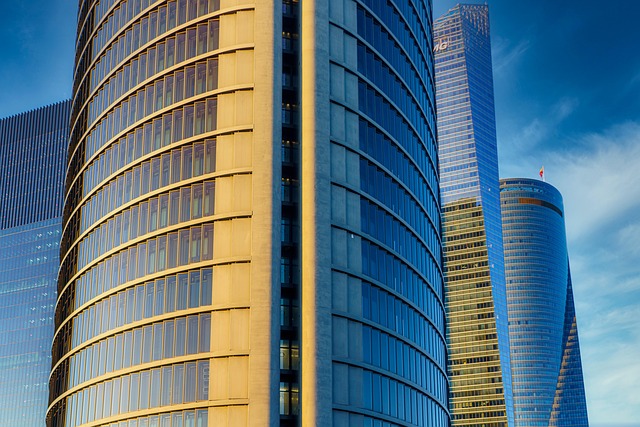
The Strategic Vision of Ecogreen Architectural & Engineering Consultants
The company’s strategic vision prioritizes sustainability-driven design principles tailored for fragile coastal zones. This includes developing structures that adapt to changing sea levels and withstand severe weather events without compromising functionality or aesthetics. Their methodology aligns closely with international frameworks such as the Paris Agreement and the UN Sustainable Development Goals, ensuring that each project contributes to broader climate adaptation objectives. By integrating ecological, social, and economic dimensions into planning, Ecogreen creates coastal spaces that serve both people and the planet.
Coastal Vulnerabilities in Design Contexts
Coastal regions face unique environmental pressures—rising tides, storm surges, and accelerated erosion among them. Ecogreen incorporates predictive modeling tools to forecast future scenarios over decades, helping engineers anticipate site-specific risks before construction begins. Adaptive design strategies such as elevated foundations, breakwater integration, and landscape buffers are employed to mitigate long-term exposure to hazards. This forward-thinking approach turns vulnerability assessments into actionable design intelligence.
Engineering Solutions for Climate-Adaptive Coastal Infrastructure
Engineering resilience in coastal areas demands more than robust materials; it requires systems capable of evolving with environmental change. Ecogreen’s engineering teams emphasize flexibility, durability, and sustainability in every structural component.
Structural Innovations for Resilient Shoreline Development
Projects often feature advanced materials engineered to resist corrosion from saltwater exposure and humidity. Elevated structures reduce flood risk by lifting critical components above projected surge levels. Modular construction techniques allow rapid adaptation if conditions shift—sections can be replaced or reconfigured without major reconstruction. These methods reduce lifecycle costs while enhancing structural longevity.
Hydrological and Geotechnical Considerations in Coastal Engineering
Soil stability remains a key concern where hydrodynamic forces constantly reshape terrain. Engineers conduct comprehensive geotechnical analyses to evaluate how shifting groundwater tables affect load-bearing capacity. Drainage systems are designed to handle extreme rainfall events without overwhelming infrastructure, using gravity-fed channels combined with smart pumping stations. Permeable pavements further enhance groundwater recharge while reducing surface runoff—an essential tactic for maintaining natural water cycles in urbanized coasts.
Sustainable Urban Planning Approaches in Coastal Regions
Resilient architecture extends beyond individual buildings; it requires citywide planning frameworks that harmonize human activity with natural processes. Ecogreen promotes urban strategies that minimize ecological disturbance while fostering vibrant communities.
Ecogreen’s Framework for Climate-Sensitive Urban Design
The firm advocates zoning practices that preserve natural coastal buffers such as dunes and wetlands, preventing overdevelopment in high-risk areas. Mixed-use developments reduce travel emissions by clustering housing, commerce, and recreation within walkable distances. Green corridors interlink habitats across urban grids, maintaining biodiversity while providing cooling effects during heatwaves—a subtle yet powerful form of climate adaptation.
Nature-Based Solutions in Coastal Development Projects
Nature itself offers the most efficient defenses against climate threats when properly restored and integrated into planning. Mangrove reforestation stabilizes shorelines against erosion while absorbing carbon dioxide efficiently. Rehabilitated dunes act as natural barriers during storms, protecting inland zones from wave energy. Blue-green infrastructure—combining water management with vegetation networks—enhances flood control while supporting local biodiversity. Balancing built forms with living landscapes remains central to Ecogreen’s approach.
Technological Tools Supporting Climate Resilience Assessment
Digital technologies now play a crucial role in designing adaptive infrastructure capable of responding dynamically to real-world data inputs.
Data Analytics and Simulation in Coastal Project Design
GIS mapping provides detailed visualization of risk zones based on elevation models and flood histories, guiding optimal site selection before construction begins. Digital twin technology enables real-time simulation of how structures might perform under various climate stressors—from wind loads to inundation scenarios—allowing iterative refinement during design stages. Artificial intelligence models predict maintenance needs by analyzing sensor data trends, reducing downtime and extending asset life cycles.
Monitoring Systems for Adaptive Management
Internet-of-Things sensors deployed across sites deliver continuous feedback on temperature fluctuations, soil moisture levels, and salinity changes. These live data streams inform operational decisions instantly—for example, adjusting drainage flow rates during heavy rainfall events. Long-term datasets collected through these monitoring networks support evidence-based policy formation at municipal levels, linking engineering practice directly with governance outcomes.
Collaborative Governance and Policy Alignment in Coastal Development
No single organization can address coastal resilience alone; collaboration defines success across disciplines and jurisdictions.
Partnership Models Promoted by Ecogreen Consultants
Ecogreen facilitates partnerships among local authorities, environmental NGOs, academic researchers, and community groups to co-create integrated solutions tailored to regional contexts. Capacity-building programs train local engineers and planners on adaptive techniques suited for their ecosystems. Through open knowledge-sharing platforms and technical workshops, innovation spreads faster across sectors—a model increasingly recognized by international development agencies as best practice.
Regulatory Compliance and International Standards Integration
Compliance frameworks guide responsible project delivery across borders. Ecogreen adheres to recognized certifications such as LEED for sustainable building performance and BREEAM for environmental impact assessment while respecting local coastal management laws. National adaptation plans are embedded within project workflows so that outcomes align with government priorities on disaster risk reduction. Each initiative contributes measurable progress toward global sustainability metrics defined under the UN SDGs.
Economic and Social Dimensions of Climate Resilient Design
True resilience balances financial feasibility with social wellbeing—a principle deeply embedded within Ecogreen’s philosophy of sustainable development.
Cost-Benefit Analysis in Climate-Adaptive Infrastructure Investment
Economic modeling demonstrates that upfront investment in adaptive infrastructure yields significant long-term savings through reduced repair costs after extreme weather events. For instance, elevating critical utilities may increase initial budgets by 10–15%, yet prevent losses exceeding 100% during flooding episodes. Funding mechanisms such as green bonds or blended finance models attract investors seeking stable returns tied to measurable environmental outcomes.
Enhancing Community Wellbeing Through Resilient Design Practices
Resilient spaces nurture social cohesion during crises by providing safe communal areas accessible even under adverse conditions. Designs prioritize accessibility for vulnerable populations including elderly residents or those with limited mobility—ensuring equitable protection against climate impacts. Participatory planning sessions led by Ecogreen experts empower residents to shape their surroundings actively; this engagement fosters trust between designers and communities while reinforcing shared responsibility for resilience maintenance.
FAQ
Q1: What makes Ecogreen Architectural & Engineering Consultants unique in coastal resilience projects?
A: The firm integrates engineering precision with ecological restoration principles while aligning every project with global adaptation frameworks like the Paris Agreement.
Q2: How does predictive modeling improve coastal project safety?
A: It simulates future sea-level rise or storm patterns so engineers can design adaptive features before problems materialize on-site.
Q3: Why are modular systems important for shoreline developments?
A: Modular structures allow quick reconfiguration after environmental changes without full reconstruction, saving time and cost.
Q4: How do nature-based solutions complement built infrastructure?
A: Restored ecosystems such as mangroves or dunes absorb wave energy naturally while supporting biodiversity around urban coastlines.
Q5: What role do IoT sensors play in adaptive management?
A: They provide continuous environmental feedback enabling real-time adjustments that keep infrastructure functioning optimally during climate stress events.