
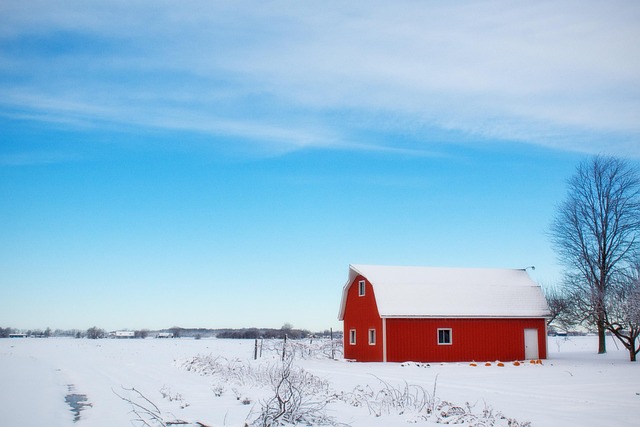
Are Pole Barn House Plans Defining the Future of Rustic Barn-Style Homes
23 Barn-Style Houses That Radiate Rustic Charm
Pole barn house plans are reshaping the residential design landscape by merging rural craftsmanship with modern engineering. These homes deliver a balance between affordability, sustainability, and architectural freedom. Experts recognize that post-frame construction not only reduces build time but also enhances energy efficiency and spatial adaptability. Today, barn-style houses stand as a symbol of both nostalgia and innovation, appealing to homeowners who value open layouts, natural materials, and a timeless rustic aesthetic.
The Architectural Shift Toward Pole Barn House Plans
The rise of pole barn homes reflects a broader movement toward simplified yet durable architecture. Their structural logic prioritizes efficiency and flexibility over ornamentation, allowing both architects and builders to explore new creative directions.
Understanding the Concept of Pole Barn Homes
Pole barn homes rely on post-frame construction—a method where large vertical poles or posts bear the building’s load. Unlike traditional timber framing that depends on continuous foundations and complex joinery, post-frame systems use fewer materials while achieving greater spans. Modern designs often incorporate laminated columns, metal siding, and engineered trusses to improve strength and insulation performance. This technique allows for expansive interiors free from load-bearing walls, ideal for open-plan living or multi-use spaces.
Comparison Between Traditional Timber Framing and Modern Pole Barn Design
Traditional timber framing emphasizes craftsmanship through mortise-and-tenon joints and visible beams. In contrast, pole barn design focuses on structural simplicity. The posts are embedded in the ground or anchored to concrete piers, transferring loads directly downward rather than distributing them across walls. This approach reduces foundation costs and offers more design flexibility. While timber frames often evoke historical charm, pole barns achieve a similar aesthetic with modern efficiency.
Key Materials and Engineering Techniques Used in Pole Barn Architecture
Common materials include pressure-treated wood posts, corrugated steel panels, spray foam insulation, and engineered roof trusses. Builders increasingly integrate advanced moisture barriers and cross-laminated timber (CLT) for added rigidity. These innovations align with modern building codes emphasizing energy conservation and long-term durability under diverse climates.
Why Pole Barn Designs Are Gaining Popularity Among Experts?
Industry professionals have embraced pole barn homes due to their adaptability across residential, agricultural, and commercial sectors. They represent a cost-effective alternative without compromising design integrity.
Cost Efficiency and Reduced Construction Time Compared to Conventional Homes
Pole barn house plans minimize labor hours by using prefabricated components that assemble quickly onsite. The absence of extensive foundation work lowers overall project costs by up to 20–30% compared with standard framed houses. Builders also note reduced waste since most structural members are cut to size before delivery.
Flexibility in Design for Both Residential and Mixed-Use Applications
Post-frame systems allow wide interior spans suitable for studios, garages, or loft-style residences. Architects can easily modify layouts as needs evolve—adding mezzanines or partition walls without affecting load distribution. This modular flexibility makes them ideal for adaptive reuse projects.
Sustainability Factors Including Energy Efficiency and Eco-Friendly Materials
Many pole barn homes incorporate recycled steel cladding, low-VOC finishes, and high R-value insulation systems that reduce heating demands. Their large roof surfaces accommodate solar panels efficiently, aligning with current net-zero energy targets promoted by organizations such as the IEA.
Merging Rustic Aesthetics With Modern Functionality
The charm of barn-style architecture lies in its ability to combine rural warmth with contemporary comfort. Designers reinterpret rustic motifs through clean lines and industrial textures that appeal to modern sensibilities.
The Evolution of Rustic Design in Contemporary Architecture
Rustic design has shifted from purely decorative nostalgia toward functional minimalism. Reclaimed wood beams now coexist with polished concrete floors or matte black fixtures. Metal accents highlight structure rather than conceal it, creating an honest expression of form reminiscent of early agricultural buildings yet refined for urban living.
Integration of Reclaimed Wood, Metal Accents, and Open Layouts
Using reclaimed timber reduces environmental impact while adding character through visible grain patterns and patina. Exposed metal brackets or railings introduce contrast against warm wood tones. Open layouts emphasize volume—often featuring double-height living areas illuminated by clerestory windows.
Balancing Nostalgia With Innovation in Design Expression
Achieving balance requires restraint: too much rustic detail risks pastiche; too little loses authenticity. Successful designs preserve tactile materials but pair them with smart home systems or radiant floor heating for everyday practicality.
Structural Innovation Behind Pole Barn House Plans
Behind every aesthetically pleasing pole barn home lies precise engineering aimed at maximizing strength-to-weight ratios while maintaining architectural freedom.
Engineering Efficiency in Post-Frame Construction
Post-frame structures distribute loads vertically through columns rather than horizontally across walls. This permits wide spans exceeding 60 feet without interior supports—ideal for workshops or event barns exposed to snow or wind loads defined by ASCE 7 standards.
Durability Under Diverse Environmental Conditions
Properly treated wood resists rot when isolated from soil moisture using concrete piers or protective sleeves. Combined with metal roofing systems rated under ASTM E108 fire tests, these buildings perform reliably even in harsh climates from coastal humidity to mountain frost.
Adaptability for Large-Span Structures Such as Workshops or Multi-Use Spaces
The scalable nature of pole framing allows easy expansion laterally or vertically. Homeowners can attach garages or porches without major structural rework—a feature valued by both rural developers and suburban remodelers seeking flexibility over time.
Customization Possibilities for Architects and Builders
Architects appreciate how post-frame systems accommodate custom layouts without structural penalties.
Modular Design Flexibility Enabling Tailored Layouts
Modules can be prefabricated offsite then assembled into unique footprints—from compact cabins to sprawling estates—while maintaining consistent load paths verified through engineering software like BIM-based modeling tools.
Integration of Advanced Insulation Systems and Smart Home Technology
Closed-cell foam insulation enhances thermal performance beyond code minimums while IoT-enabled thermostats regulate temperature zones efficiently across large interiors.
Opportunities for Hybrid Use—Residential, Agricultural, or Commercial Adaptation
A single frame can serve multiple functions: living quarters above workshops or retail below loft apartments—a versatility increasingly sought after in mixed-use zoning developments.
The Influence of Rural Heritage on Modern Housing Trends?
Modern architecture frequently draws emotional depth from rural archetypes like barns that symbolize endurance and community craftsmanship.
Cultural Resonance of Barn-Inspired Architecture
Barn-style homes connect contemporary occupants with agrarian roots while projecting authenticity absent from mass-produced housing forms. Their gabled roofs and vertical siding echo vernacular traditions across North America’s countryside landscapes.
How Barn-Style Homes Evoke Authenticity and Craftsmanship Values
Visible joinery details celebrate manual skill; natural finishes reveal material honesty—principles consistent with sustainable design ethics recognized by ISO 15392 standards on building sustainability principles.
Influence on Regional Architectural Identities Across North America and Europe
From Scandinavian farmsteads to Midwestern homesteads, regional adaptations vary but share one ethos: simplicity born from necessity transformed into beauty through proportion and light control.
The Role of Sustainability in Rustic Home Revival?
As climate priorities intensify globally, rustic-inspired dwellings demonstrate how heritage aesthetics can coexist with environmental responsibility.
Emphasis on Renewable Materials and Passive Energy Strategies
Designers favor renewable woods certified under FSC guidelines alongside passive solar orientation that minimizes mechanical heating loads during winter months while promoting cross ventilation in summer.
Reuse of Existing Barn Structures as a Sustainable Practice
Adaptive reuse converts aging barns into residences rather than demolishing them—preserving embodied carbon already invested in their materials while retaining historical context within rural communities.
Lifecycle Cost Analysis Favoring Long-Term Environmental Performance
Though initial retrofitting may cost more upfront, lifecycle assessments often reveal lower operating expenses over decades due to superior insulation values and reduced maintenance cycles compared with conventional masonry houses.
Comparative Analysis: Pole Barn Houses vs Traditional Rustic Homes?
Comparing these two typologies reveals how technology refines tradition without erasing its essence.
Design Versatility Across Building Typologies
Pole barns provide higher ceilings suited for mezzanines or lofts whereas traditional barns typically limit vertical space due to heavy truss configurations. Spatial flow feels more continuous thanks to fewer partitions interrupting sightlines between zones.
Potential for Multi-Purpose Use Versus Single-Function Traditional Barns
Historic barns served primarily agricultural storage roles; modern equivalents integrate domestic comfort seamlessly—from kitchens beneath soaring rafters to studios overlooking open fields—expanding usability far beyond their origins.
Construction Economics And Longevity Factors?
Economic performance remains central when evaluating long-term viability between structural systems.
Comparative Cost Per Square Foot Between Pole Barn Homes And Timber Frame Houses
On average, pole barns cost roughly $100–$150 per square foot depending on finish level—significantly below handcrafted timber frames which often exceed $250 per square foot due to specialized labor requirements.
Maintenance Requirements Over Time Based On Material Choices
Metal roofing demands minimal upkeep compared with cedar shingles prone to weathering; similarly galvanized fasteners prevent corrosion extending service life past 50 years when properly maintained according to ASTM A653 standards.
Future Directions In Barn-Inspired Residential Architecture?
The next generation of pole barn houses will blend digital precision with artisanal warmth guided by evolving sustainability metrics and aesthetic preferences alike.
Emerging Technologies Shaping the Next Generation of Pole Barn Homes
Prefabrication combined with CNC cutting enables millimeter-level accuracy reducing onsite waste significantly. Building Information Modeling (BIM) platforms simulate structural stresses before fabrication ensuring optimal material usage aligned with ISO 29481 interoperability frameworks.
Anticipating Shifts In Aesthetic Preferences And Market Demand
Urban homeowners increasingly favor “rural-modern” hybrids pairing raw textures with sleek finishes reflecting lifestyle shifts toward authenticity amid digital saturation. Green certifications like LEED continue influencing buyer decisions emphasizing resource-efficient construction methods integrated within these rustic typologies.
FAQ
Q1: What defines a pole barn house plan?
A: It uses post-frame construction where vertical poles support the roof load directly into the ground or piers instead of continuous foundations found in conventional homes.
Q2: Are pole barn houses cheaper than traditional builds?
A: Yes, they typically require fewer materials and less labor time resulting in cost savings around 20–30 percent compared with standard timber framing methods.
Q3: Can a pole barn home meet modern energy codes?
A: With proper insulation systems such as closed-cell spray foam plus efficient HVAC integration they easily comply with current IECC energy standards used across most regions.
Q4: How long does a well-built pole barn house last?
A: When maintained correctly using treated posts protected from moisture exposure these structures can last 50 years or more comparable to conventional residential buildings.
Q5: Why are architects drawn to this style recently?
A: It merges expressive simplicity rooted in rural heritage with flexible engineering adaptable for contemporary living needs making it both practical and visually enduring.