
What Makes Home Building Plans Essential for an Authentic Tudor-Style House
What Is A Tudor-Style House? The Distinctive Features That Define This Classic Home
A Tudor-style house blends medieval English charm with early modern craftsmanship. Its steep gables, half-timbering, and ornate chimneys make it instantly recognizable. Though rooted in 16th-century England, the style evolved through revival movements to suit modern tastes and building standards. Today, architects rely on detailed home building plans to recreate its authenticity while integrating modern comfort. The Tudor home remains a symbol of timeless design—where history meets precision engineering.
Understanding the Essence of a Tudor-Style House
Tudor-style architecture embodies centuries of evolution, shaped by cultural transitions and craftsmanship traditions. Its appeal lies in how it merges historic character with enduring structural logic.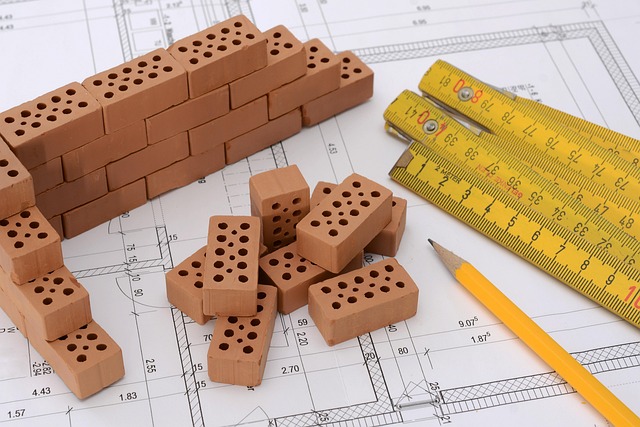
Historical Origins and Architectural Evolution
The Tudor style emerged in late medieval England, blending Gothic and Renaissance influences. During the 19th and 20th centuries, revival movements reinterpreted these forms for suburban homes, particularly in Britain and North America. Builders adapted traditional elements—like timber framing and steep roofs—to new materials such as brick veneer or concrete. This evolution kept the aesthetic alive while meeting changing construction methods.
Defining Characteristics of Tudor Architecture
Steeply pitched gable roofs dominate the skyline of a Tudor home, often intersecting at varied angles to create depth. Half-timbering with stucco infill defines upper façades, while elaborate masonry grounds the structure visually. Decorative chimneys capped with patterned brickwork add both function and ornamentation. Leaded glass casement windows filter light softly across interiors, enhancing the handcrafted look that defines this architectural language.
The Role of Home Building Plans in Achieving Authenticity
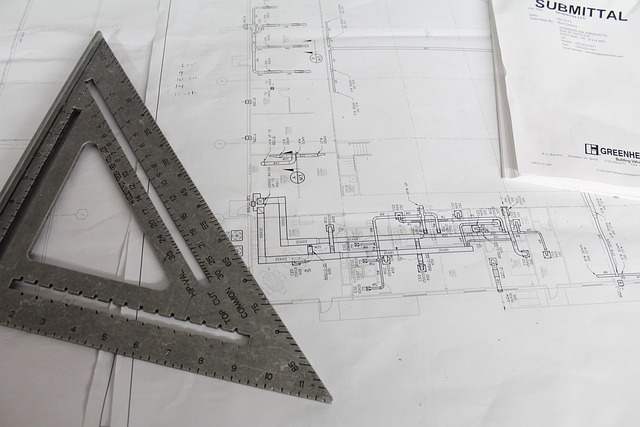
Designing a true Tudor-style residence demands more than visual imitation—it requires precise technical planning. Home building plans translate aesthetic ideals into measurable geometry and material coordination.
Architectural Precision Through Detailed Planning
Comprehensive plans clarify complex roof intersections, wall proportions, and window placements typical of Tudor design. They serve as blueprints for artisans who must reconcile historical geometry with modern code compliance. Each drawing preserves stylistic integrity while addressing structural loads and insulation needs—a balance between art and engineering.
Integrating Traditional Design with Modern Functionality
Modern living calls for open layouts, efficient HVAC systems, and integrated lighting—all achievable without compromising period authenticity when guided by well-structured plans. Concealing ducts behind exposed beams or routing wiring through timber frames keeps visual harmony intact. Proper planning allows homeowners to enjoy 21st-century comfort within a 16th-century silhouette.
Essential Structural Components in Tudor Home Plans
The success of any Tudor-style project rests on faithful execution of its defining materials—roofing profiles, masonry patterns, and timber joinery all play critical roles in achieving authenticity.
Roof Design and Construction Details
Roof drawings specify pitch angles exceeding 45 degrees to achieve the characteristic steepness. Dormers punctuate slopes for ventilation and light while maintaining rhythm across elevations. Slate or composite shingles replicate historic textures yet provide durability against modern weather conditions. Overhangs are proportioned carefully to balance visual weight without exaggeration.
Masonry, Timbering, and Material Specifications
Masonry Detailing
Brickwork often employs Flemish bond patterns that alternate headers and stretchers for depth variation. Stone accents around doorways or corners reinforce the handcrafted appearance that defines traditional English homes.
Timber Framing Techniques
Exposed beams require meticulous joinery—mortise-and-tenon connections remain common practice among craftsmen replicating period techniques. Selecting oak or cedar affects both longevity and tonal contrast against plaster infill.
Interior Layouts That Reflect Tudor Ideals
Inside a Tudor home, spatial rhythm mirrors its exterior drama: vertical movement through staircases contrasts with intimate alcoves that invite warmth.
Spatial Organization Rooted in Tradition
Central halls act as organizing spines from which great rooms extend laterally. These generous spaces once hosted gatherings around large hearths but now adapt easily to open-plan living while retaining their ceremonial scale.
Decorative Elements in Interior Design Plans
Ceiling Treatments and Woodwork
Coffered ceilings carved from dark timber lend gravitas to dining areas or libraries. Wainscoting panels frame walls with tactile richness that speaks to craftsmanship rather than ornament alone.
Fireplace Placement and Design Considerations
Fireplaces remain focal points both structurally and socially; their placement follows load-bearing logic mapped within architectural plans to maintain symmetry across floors.
The Importance of Customization in Modern Tudor Homes
No two Tudor houses need be identical—the style’s flexibility invites personal interpretation grounded in tradition yet responsive to present-day needs.
Balancing Authenticity with Lifestyle Needs
Custom home building plans allow adaptation of room sizes for contemporary furniture scales or family dynamics without losing historic cues like arched doorways or mullioned windows. Energy-efficient glazing can replace leaded panes discreetly, aligning sustainability goals with visual fidelity—an increasingly relevant consideration under current ISO energy standards.
Collaborating with Architects and Designers Specializing in Tudor Styles
Engaging professionals versed in historical architecture ensures coherent translation from concept to construction documentation. Coordination among architects, engineers, and skilled trades maintains consistency across materials—from masonry coursing to timber stain selection—so every joint reflects deliberate craftsmanship rather than imitation.
FAQ
Q1: What distinguishes a Tudor-style house from other historical styles?
A: Its steep gables, half-timbering, tall chimneys, and asymmetrical façades set it apart from Colonial or Georgian forms that favor symmetry.
Q2: Are authentic materials necessary for building a modern Tudor home?
A: Not strictly; high-quality composites can mimic traditional textures effectively when specified correctly within home building plans.
Q3: How does roof design influence energy efficiency?
A: Steep pitches improve runoff but also increase attic volume; proper insulation beneath rafters mitigates heat loss common in older designs.
Q4: Can open-concept layouts work within a Tudor framework?
A: Yes—structural beams can replace walls without disrupting the aesthetic if planned precisely during early design stages.
Q5: Why are fireplaces central to Tudor interiors?
A: Historically they provided heat; today they remain symbolic anchors connecting modern living spaces to their medieval origins.