
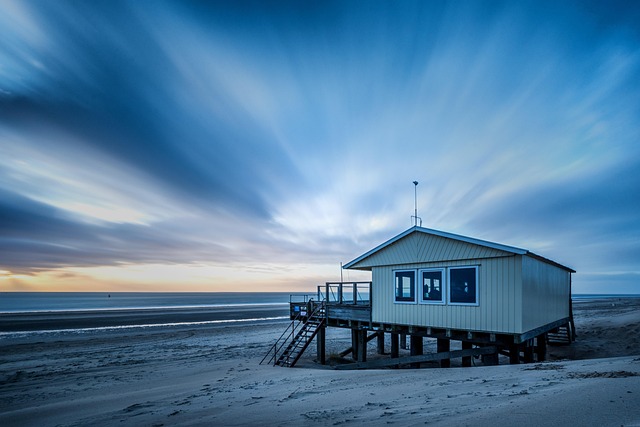
How Do Beach House Plans Reflect the New Palm Beach North End Approvals
Palm Beach Approves North End House Plans
Palm Beach’s recent approval of north end house plans marks a pivotal moment in coastal architectural governance. The new framework introduces refined design standards that preserve the town’s historic charm while embracing sustainable innovation. For architects and developers, these approvals reshape how beach house plans are conceived, emphasizing environmental integration, material resilience, and contextual harmony. The direction is clear: Palm Beach seeks to safeguard its coastal identity through architecture that balances luxury with ecological responsibility.
Architectural Shifts in Palm Beach’s North End
The architectural landscape of Palm Beach’s north end is undergoing a deliberate recalibration. The town’s planning authorities have sought to align modern development pressures with long-standing community values, ensuring that new projects fit within the visual and environmental fabric of the area.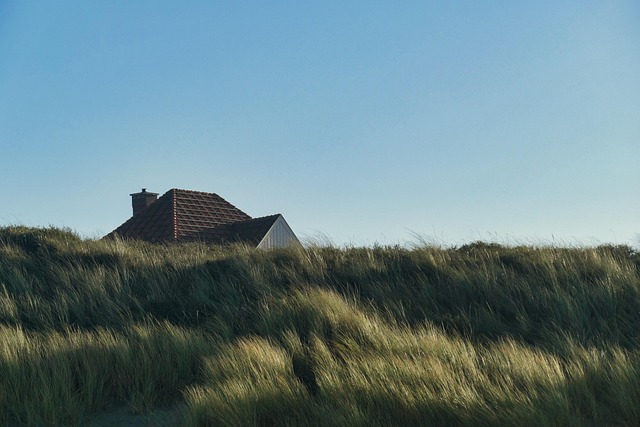
Overview of the Recent Approval Framework
The latest approval system introduces stricter design guidelines intended to protect neighborhood character. Regulations focus on height restrictions, lot coverage ratios, and seamless environmental integration. This framework redefines how architects approach site composition, with an emphasis on proportion and context rather than excess. The approval process now reflects a careful balance between modern luxury living and the traditional Palm Beach aesthetic—an equilibrium that demands both restraint and creativity from design teams.
Influence on Coastal Residential Architecture
These regulatory adjustments influence not only aesthetics but also technical execution in coastal residential projects. Architects must adapt their designs to comply with revised zoning codes and sustainability standards that prioritize coastal resilience. The shift encourages context-sensitive architecture—homes designed for their specific microclimates, topography, and exposure to ocean conditions. Increasingly, design submissions integrate environmental data early in planning stages, using flood maps and wind modeling as part of concept development rather than afterthoughts.
Design Principles Emerging from the New Approvals
The new guidelines have catalyzed a set of design principles now shaping every phase of project delivery. They extend beyond compliance into a philosophy that merges sustainability with heritage preservation.
Integration of Sustainability in Beach House Plans
Energy efficiency has become a core criterion within Palm Beach’s review process for beach house plans. Passive cooling systems reduce mechanical loads by channeling sea breezes through open-plan interiors, while natural ventilation strategies minimize energy consumption year-round. Renewable materials—such as reclaimed wood or low-carbon concrete—are prioritized for structural components. Landscaping is no longer decorative alone; it incorporates native vegetation like sea grape and dune grass to reduce irrigation demand and reinforce local ecosystems.
Harmonizing Modernism with Historic Contexts
Contemporary homes in the north end increasingly demonstrate sensitivity to the town’s historic architectural DNA. Designers employ restrained modernism—clean lines softened by traditional proportions—to complement existing Mediterranean Revival or Bermuda-style facades nearby. Rooflines are kept low-pitched or hipped to maintain visual rhythm along streetscapes. Locally inspired materials such as coquina stone or coral limestone help reinforce continuity across neighborhoods without resorting to replication.
Regulatory Impacts on Design Strategy and Execution
Regulatory frameworks rarely inspire creativity at first glance, yet in Palm Beach they have become catalysts for innovation. Architects are rethinking spatial organization, construction sequencing, and even client engagement under these evolving parameters.
Adjusting Site Planning to Zoning Constraints
Revised setback rules now dictate much of a home’s massing logic. By pulling structures inward from lot lines, designers create layered outdoor zones that preserve privacy while maintaining openness toward the oceanfront. Lot coverage limits push architects toward vertical arrangements—multi-level living spaces that remain visually light through glazing ratios and articulated façades. Advanced site modeling tools assist in testing compliance during conceptual development, preventing costly revisions later.
The Role of Review Boards in Shaping Design Outcomes
Palm Beach’s design review boards hold significant influence over final outcomes. Their evaluations ensure consistency with the north end’s visual identity while encouraging dialogue among architects, planners, and landscape designers. These collaborative reviews often uncover opportunities for refinement rather than impose rigid barriers. Feedback loops established during this process have fostered innovation within regulatory boundaries—proof that oversight can nurture creativity when guided by shared civic intent.
Materiality and Construction Techniques under New Guidelines
Material selection has taken on renewed importance under the new approvals, driven by both aesthetic cohesion and climate adaptation imperatives.
Preference for Durable, Climate-Adaptive Materials
Coastal exposure demands materials capable of resisting salt corrosion and humidity cycles. Finishes now favor marine-grade metals, high-performance coatings, and composite claddings engineered for longevity in salt air environments. Structural systems are designed to withstand hurricane-force winds through reinforced connections and elevated foundations addressing flood risk zones identified by FEMA mapping standards (FEMA P-55). At the same time, color palettes remain consistent with community tone—soft whites, sands, and muted coral shades—to maintain neighborhood uniformity.
Innovations in Building Technology for Coastal Conditions
Technology integration has become intrinsic to construction strategy along Palm Beach’s coastlines. Smart home systems include flood sensors linked to mobile alerts and humidity control mechanisms embedded within HVAC systems to prevent mold growth during humid months. Modular construction methods allow faster assembly with reduced noise disruption—a practical advantage given proximity between lots in older neighborhoods. Advanced glazing technologies provide UV protection while preserving panoramic ocean views without thermal loss.
Landscape Architecture as a Compliance Tool and Aesthetic Asset
Landscape design now serves dual roles: achieving code compliance while enriching spatial quality around coastal homes.
Environmental Integration through Landscape Design
Permeable paving surfaces are increasingly specified to manage stormwater runoff efficiently under updated building codes aligned with Florida Department of Environmental Protection guidelines (FDEP 62-40). Native plantings stabilize dunes naturally while promoting biodiversity crucial for shoreline resilience against erosion events intensified by climate change projections from NOAA datasets. Outdoor living areas—terraces, poolsides, shaded lounges—are designed around existing topography rather than reshaped landforms, reducing grading impacts on fragile soils typical of barrier islands.
Future Directions for Beach House Planning in Palm Beach’s North End
Looking ahead, the intersection between regulation and innovation will continue defining architectural practice across Palm Beach’s coastline.
Anticipated Trends in Architectural Expression and Regulation Evolution
Future trends point toward deeper integration between digital planning tools and municipal review workflows. Data-driven modeling may soon automate portions of compliance verification using GIS overlays tied to zoning datasets—a step likely supported by state-level initiatives promoting resilience-based urban planning (Florida Resilient Coastlines Program). Architectural expression will remain guided by restraint: smaller footprints paired with advanced performance metrics rather than visual extravagance alone. Collaboration between local authorities and professional bodies will shape long-term strategies ensuring growth aligns with both ecological thresholds and cultural expectations.
FAQ
Q1: What prompted Palm Beach to revise its north end approval framework?
A: Rising redevelopment pressures threatened neighborhood scale consistency; thus officials introduced stricter design controls emphasizing heritage preservation alongside sustainability goals.
Q2: How do new regulations affect beach house plans?
A: They require energy-efficient layouts using passive cooling methods, limit lot coverage ratios, enforce height caps, and prioritize native landscaping within submittals.
Q3: Are there material restrictions under current guidelines?
A: While not prescriptive about specific products, approvals favor corrosion-resistant metals, durable composites, and finishes proven suitable for marine climates.
Q4: How do review boards influence final designs?
A: Boards evaluate aesthetic compatibility but operate collaboratively; their iterative feedback often leads to refined outcomes balancing creativity with community character.
Q5: What future changes might further impact coastal home design?
A: Anticipated developments include digital compliance tools integrated into permitting systems and expanded resilience criteria addressing sea-level rise adaptation across all new builds.