
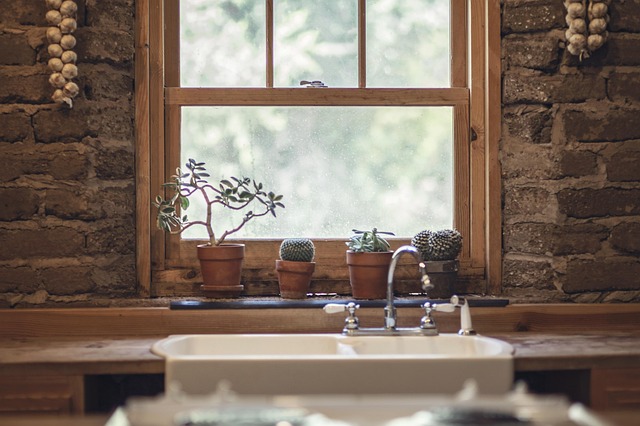
How Can Modern Farmhouse Floor Plans Elevate An 800-Square-Foot Cottage Design
How To Design An 800-Square-Foot Cottage That Feels Like A Dream
A well-designed 800-square-foot cottage can embody both charm and practicality when guided by the principles of modern farmhouse floor plans. The secret lies in proportion, material honesty, and spatial clarity. By blending rustic warmth with contemporary restraint, such a home achieves a sense of openness that belies its modest footprint. Integrating coastal influences from beach house plans further enhances light, ventilation, and emotional comfort, creating a living environment that feels both grounded and free-flowing.
The Architectural Essence of Modern Farmhouse Floor Plans
Modern farmhouse design continues to evolve as architects reinterpret rural simplicity through a contemporary lens. Its enduring appeal lies in balancing nostalgia with modern sensibility—where craftsmanship meets clean geometry.
Understanding the Core Principles of Modern Farmhouse Design
The style merges rustic charm with contemporary simplicity, favoring open layouts that encourage natural movement between spaces. Natural materials like wood and stone dominate, while large windows invite daylight deep into interiors. Function drives every decision; each room supports daily life without excess ornamentation. Comfort remains central—light-filled rooms, tactile finishes, and visual links to the outdoors nurture an atmosphere of calm.
Key Architectural Features That Define the Style
Signature elements include exposed beams, shiplap walls, and metal roofing that echo agricultural heritage yet suit modern needs. Facades often maintain symmetry with tall windows positioned for balanced light distribution. Neutral color palettes—soft whites, grays, or muted earth tones—serve as backdrops for organic textures such as linen or reclaimed timber. The result is a timeless aesthetic that feels both fresh and familiar.
Translating Modern Farmhouse Concepts into an 800-Square-Foot Cottage
Scaling down does not mean scaling back character. In compact homes, precision in layout becomes essential to preserve the farmhouse’s sense of ease and generosity.
Adapting Scale Without Losing Character
A small footprint demands efficient organization: circulation zones must double as functional areas. Warmth comes through proportion rather than size—using wide plank floors or paneled ceilings to elongate perception. Material continuity across rooms reinforces flow. Vertical space becomes valuable; lofted sleeping areas or built-in shelving extend usability without cluttering sightlines.
Creating Flow in a Limited Floor Area
Open-concept living dissolves physical barriers between kitchen, dining, and lounge spaces. Aligning doorways and windows improves cross-ventilation while visually connecting indoors with surrounding nature. Storage solutions merge seamlessly into architecture—drawers beneath stairs or recessed cabinetry maintain order without sacrificing aesthetics.
Integrating Beach House Plan Elements into the Farmhouse Framework
The intersection of coastal softness and farmhouse solidity yields an atmosphere both airy and grounded. This hybrid approach suits cottages seeking serenity without sterility.
Merging Coastal and Country Aesthetics Harmoniously
Beach house plans emphasize brightness and breeziness through lighter tones and tactile fabrics like cotton or rattan. When paired with farmhouse structure—defined lines, sturdy frames—the result feels balanced rather than themed. Reclaimed wood with whitewashed finishes bridges rustic authenticity and coastal ease.
Enhancing Indoor–Outdoor Connectivity
Large sliding or French doors transform living areas into extensions of exterior decks or porches. Covered outdoor zones provide shade while maintaining airflow during warmer months. Landscaping should complement both traditions: native grasses beside gravel paths evoke countryside informality while tolerating seaside conditions gracefully.
Spatial Planning Strategies for Functionality and Comfort
Effective planning transforms limited square footage into livable luxury by prioritizing flow over formality.
Optimizing Room Layouts for Daily Living Efficiency
Zones are subtly defined using furniture orientation instead of walls to retain openness. Kitchens integrate social function; islands double as prep surfaces and dining hubs. Bedrooms incorporate built-in wardrobes or under-bed drawers to minimize clutter while preserving tranquility.
Lighting and Ventilation Considerations in Compact Designs
Layered lighting enhances mood flexibility—ambient ceiling fixtures paired with task sconces ensure usability across times of day. Cross ventilation achieved through aligned openings stabilizes indoor temperature naturally. Skylights above circulation corridors introduce daylight where wall windows are impractical.
Materiality and Finishing Approaches That Reinforce Design Integrity
Material choice defines authenticity more than decoration ever could; it communicates both story and durability.
Selecting Materials That Reflect Modern Farmhouse Authenticity
Reclaimed timber introduces patina; matte black metals add contrast without glossiness; stone surfaces ground interiors visually. Finishes must balance beauty with endurance since smaller homes experience higher wear intensity per square foot. Locally sourced materials reduce transport impact while embedding regional identity within construction.
Interior Finishes That Create Cohesive Visual Flow
Continuous flooring from entry to living zone strengthens perceived space unity. Instead of bold color shifts, texture variation—a woven rug against smooth concrete—creates depth quietly. Handcrafted joinery or artisanal tiles bring soulfulness often missing from mass-produced builds.
Enhancing Perceived Space Through Design Psychology
Visual manipulation plays a subtle but powerful role in making compact interiors feel expansive.
Visual Techniques for Expanding Small Interiors
Light-reflective finishes on walls amplify brightness even under low natural light conditions. Mirrors positioned opposite windows extend views outward without visual chaos. Maintaining consistent hues across ceilings, trims, and walls avoids visual breaks that shrink perception.
The Role of Minimalism in Elevating Compact Farmhouse Design
Minimalism here means restraint rather than austerity: removing what distracts while celebrating texture richness in what remains. High-quality craftsmanship replaces decorative abundance; exposed joinery becomes ornament itself. The resulting calm mirrors the broader ethos of modern farmhouse living—simplicity anchored by authenticity.
FAQ
Q1: What makes modern farmhouse floor plans suitable for small cottages?
A: Their open layouts and reliance on natural light create spaciousness even within tight footprints while maintaining warmth through material honesty.
Q2: How can beach house plans influence a farmhouse-style cottage?
A: They introduce coastal brightness, encourage ventilation strategies like large openings, and soften rustic elements through light-toned finishes.
Q3: What materials best capture modern farmhouse character?
A: Reclaimed wood, matte-finished metal accents, natural stone surfaces, and neutral-toned textiles preserve authenticity without overwhelming scale.
Q4: How can one maintain storage efficiency in an 800-square-foot home?
A: By embedding storage within architectural features such as stairs or wall recesses instead of adding bulky furniture pieces.
Q5: Which lighting strategies enhance compact cottage interiors?
A: Combining layered lighting types—ambient for overall glow, task for precision work zones, accent for highlighting textures—ensures adaptability throughout daily routines.