
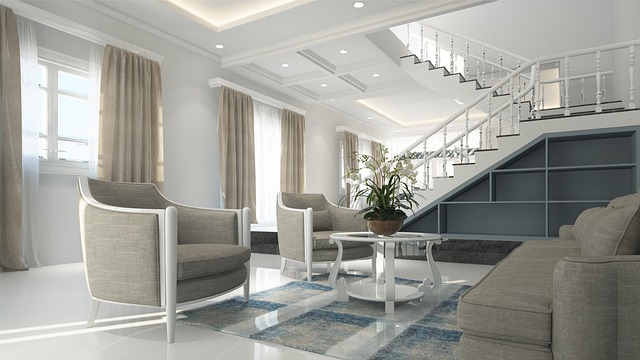
Where Does Interior Design Inspo Truly Begin Beyond Instagram Trends
Open Plan Is Not the Answer: Design Professionals on the Dos and Don’ts of Small Space Living
The open plan layout once symbolized freedom and modernity, but design professionals now recognize its limits—especially in small apartments. In compact homes, total openness often sacrifices comfort, privacy, and functional clarity. The smarter approach lies in strategic zoning, layered design, and thoughtful decor choices that define space without closing it off. Experts in small apartment decor now advocate for flexible partitions, visual boundaries, and multi-functional furniture to balance openness with containment. The result is a living environment that feels both spacious and grounded.
Rethinking the Appeal of Open Plan Living
Open plan living once promised light-filled interiors and seamless flow, yet its universal adoption has revealed new challenges. As urban housing shrinks in size, the same design principles that worked in large suburban homes can feel chaotic or incomplete in smaller settings.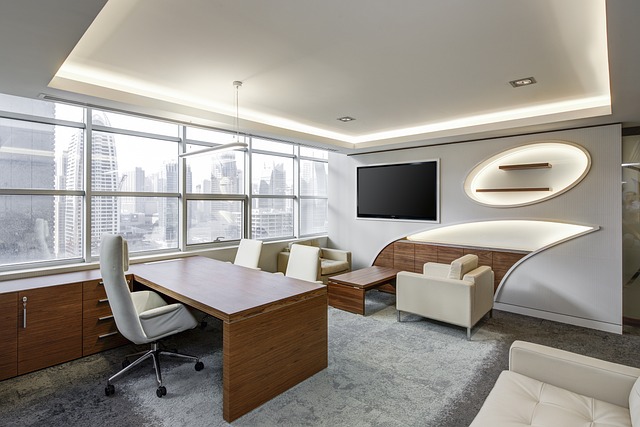
The Origins and Popularity of Open Plan Concepts
The open plan concept grew from modernist architecture’s focus on light, air, and flexibility. Early residential designs removed walls to foster family interaction and visual continuity between kitchen, dining, and living areas. By the late 20th century, this approach became synonymous with contemporary urban living—an aesthetic of transparency that matched changing lifestyles. Architects celebrated it as a way to dissolve hierarchy within domestic spaces. However, what began as liberation from compartmentalization has evolved into a default mode that doesn’t always serve every context.
The Limitations of Open Plan Layouts in Small Spaces
In small apartments, open layouts can blur function rather than enhance it. Without partitions or defined edges, cooking odors drift into sleeping zones, noise travels unchecked, and visual clutter accumulates quickly. The lack of spatial definition leads to inefficiency: one area’s activity interrupts another’s purpose. Psychologically, constant exposure to all zones can create fatigue or restlessness because there’s no mental boundary for rest or focus. Many designers now argue that subtle separation—not total openness—is key to livable compact interiors.
The Strategic Advantages of Small Apartment Decor
Designing a small apartment requires precision rather than expansion. Every element must contribute to comfort and identity while managing limited square footage effectively.
Spatial Zoning Through Design Elements
Zoning doesn’t require walls; it requires intention. Furniture placement can suggest boundaries—a sofa back defines a lounge area just as effectively as a partition might. Lighting also plays a zoning role: pendant lights over dining tables or task lamps near desks establish purpose visually. Textures and color palettes act as quiet dividers; for instance, matte finishes may frame calm zones while glossier surfaces highlight active ones. Vertical layering through shelving or half-height dividers further enhances usability without crowding the footprint.
Maximizing Functionality Without Sacrificing Aesthetics
Small apartment decor thrives on dual-purpose thinking. A bench doubles as storage; a fold-out table becomes both desk and dining surface. Built-in cabinetry hides clutter while maintaining visual calm—a vital factor when every inch counts. The aesthetic goal is restraint: choosing fewer but more meaningful pieces so each object carries both form and function. This discipline produces interiors that feel intentional rather than improvised.
Design Principles for Effective Small Apartment Layouts
Effective small-space design relies less on novelty than on proportion and sensory balance. Scale determines comfort; materiality defines mood; light shapes perception.
The Role of Scale and Proportion in Compact Interiors
Selecting appropriately scaled furniture avoids the common trap of overfilling space with oversized items meant for larger homes. Balanced composition allows smooth transitions between zones even without physical barriers—sofa height aligns with counter level, rug size anchors conversation areas without cutting circulation paths. Managing visual weight is equally critical: lighter frames or raised legs create airiness that maintains openness while preserving comfort.
Light, Materiality, and Perception of Space
Light manipulation transforms confined rooms into expansive ones. Reflective surfaces such as mirrors or lacquered finishes bounce daylight deeper into interiors, amplifying perceived volume. Translucent materials like frosted glass panels separate functions yet maintain connection across sightlines. Meanwhile, warm natural materials—timber floors or woven textiles—add intimacy that balances minimal square footage with emotional warmth.
Professional Insights on Balancing Openness and Containment
Design professionals now aim for controlled openness—a middle ground where flexibility coexists with definition.
Integrating Flexibility Without Losing Definition
Movable panels or sliding screens allow occupants to adjust spatial boundaries based on activity or mood. Modular systems adapt over time as needs evolve—an essential quality in rental apartments or multi-use studios. True sophistication lies not in removing barriers but in designing adaptable ones that preserve rhythm between connectedness and retreat.
Psychological Dimensions of Small Space Living
Defined zones are not only practical but mental anchors that support clarity and routine formation. Overly open environments can induce sensory overload where one constantly perceives every object at once—a subtle source of stress in daily life. Thoughtful decor planning restores psychological balance by granting control over exposure: being able to close off an area momentarily provides relief similar to stepping outside for fresh air.
Emerging Trends in Compact Interior Design Practice
Current trends show a shift toward sustainability and digital precision—two forces reshaping how designers approach compact living environments globally.
Sustainable Approaches to Small Apartment Decor
Sustainability now extends beyond materials to lifecycle thinking. Designers favor durable finishes like solid wood or recycled composites that reduce waste from frequent renovations common in rental markets. Local craftsmanship also gains importance for authenticity within limited spaces—it connects material origin with cultural context while minimizing transport emissions. Adaptive reuse—repurposing vintage furniture or architectural fragments—aligns ecological responsibility with aesthetic refinement.
Technology’s Role in Optimizing Small Living Environments
Technology acts as an invisible partner in small-space efficiency. Smart home systems integrate lighting control, climate adjustment, even automated storage lifts to save effort and energy simultaneously. Digital modeling tools allow designers to test multiple configurations virtually before construction begins—reducing costly trial-and-error onsite adjustments. Increasingly, data-driven design informs decisions about ergonomics and circulation patterns so every inch performs at its best without compromising beauty.
FAQ
Q1: Why is open plan living less effective in small apartments?
A: Because smaller footprints amplify noise, clutter, and odor transfer without partitions; distinct zones restore order and comfort.
Q2: How can zoning be achieved without building walls?
A: Through strategic furniture placement, varied lighting schemes, color contrasts, rugs, or shelving units acting as soft dividers.
Q3: What materials work best for compact interiors?
A: Light-reflective finishes like glass or polished metal expand perception of space; warm woods add tactile depth for balance.
Q4: Are sustainable options practical for renters?
A: Yes—modular pieces made from durable materials last through relocations while reducing long-term environmental impact.
Q5: How does technology improve small apartment decor?
A: Smart systems manage lighting and temperature efficiently; digital planning tools refine layout accuracy before physical setup begins.