
Can Home Decor Interior Design Subtleties Truly Shape a Calmer Space
6 Overlooked Design Moves That Help Create a Calmer, More Intentional Home
Calm interiors are not accidental—they are the result of deliberate design choices that align form, function, and emotion. In home decor interior design, serenity emerges when spatial flow, color nuance, and sensory balance coexist. Experts know that restraint often achieves more than ornamentation. The following analysis explores six overlooked yet powerful design strategies that cultivate emotional ease and mindful living through architectural psychology and material integrity.
The Psychology Behind Calm Interior Spaces
The emotional response to interiors extends beyond aesthetics; it is rooted in how the mind perceives order, proportion, and sensory cues. A calm space is not simply quiet—it communicates safety, clarity, and purpose through its layout and materials.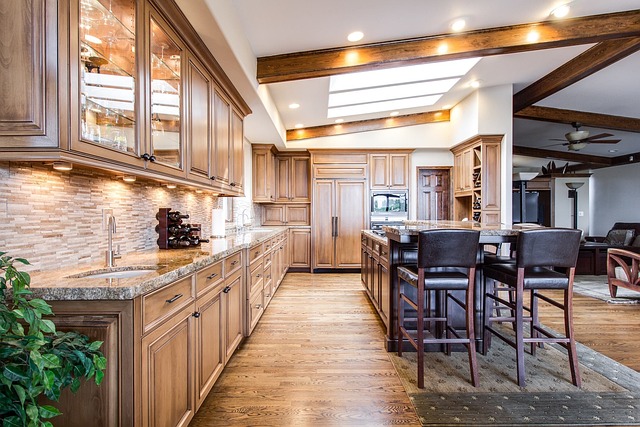
How Design Influences Emotional Well-being
Spatial design directly affects mood, stress levels, and cognitive function. Research in environmental psychology shows that well-proportioned rooms with balanced symmetry reduce anxiety and mental clutter. Visual harmony—achieved through consistent lines and proportional relationships—creates a sense of equilibrium that stabilizes emotions. Subtle sensory cues such as soft lighting or textured fabrics further shape how calm a space feels by engaging the senses without overstimulation.
The Role of Intentionality in Home Decor Interior Design
Intentional design prioritizes purpose over excess aesthetics. Each object should serve an emotional or functional goal rather than exist for decoration alone. Reducing visual noise—through decluttering or limiting color variation—enhances mental clarity and serenity. When every piece aligns with the desired mood, the home becomes a coherent narrative rather than a collection of unrelated items.
The Power of Color Nuance in Creating Calm
Color has measurable effects on human physiology; muted tones slow heart rate while saturated hues can heighten alertness. Designers often rely on subtle tonal gradations to evoke stillness without dullness.
The Psychological Impact of Muted and Natural Tones
Soft neutrals like beige, taupe, or mist gray reduce overstimulation by lowering visual contrast. Earth-inspired palettes foster connection to nature and grounding energy—an effect supported by biophilic design studies from institutions such as IEA’s Built Environment Division. Gradual tonal transitions across walls and furnishings support visual continuity that allows the eye to rest.
Layering Shades for Depth Without Distraction
Monochromatic layering adds sophistication while maintaining stillness. Instead of bold contrasts, depth can come from material interplay: matte ceramics beside polished wood or woven linen against smooth plaster. Balanced undertones prevent emotional dissonance within the palette, ensuring cohesion across daylight changes.
Harnessing Texture and Materiality for Serenity
Tactility influences comfort as much as sight does. Materials carry emotional weight—the cool touch of marble calms differently from the warmth of oak or wool.
Integrating Tactile Elements to Engage the Senses Gently
Natural fibers such as linen, wool, and jute introduce organic softness ideal for relaxation zones like bedrooms or reading corners. Smooth surfaces paired with subtle roughness create tactile interest without chaos; for example, pairing honed stone countertops with raw timber stools brings balance between refinement and authenticity. Textural diversity provides comfort through sensory grounding.
Material Authenticity as a Source of Calm
Genuine materials age gracefully, adding quiet character over time. Avoiding synthetic imitations preserves visual honesty in design narratives—a principle often referenced in sustainable architecture standards like ISO 14006 on eco-design integration. Sustainable sourcing also aligns environmental ethics with emotional wellness by connecting inhabitants to responsible craftsmanship.
Spatial Composition and Flow as Emotional Architecture
Space planning dictates how people move, pause, or breathe within an environment. A room’s composition can either invite rest or trigger unease depending on openness, containment, and rhythm.
Balancing Openness and Containment in Layouts
Open layouts encourage light flow but require spatial anchors—like rugs or furniture clusters—to maintain security. Defined zones create psychological boundaries supporting relaxation even within shared spaces. Circulation paths should promote ease of movement with unobstructed sightlines that subtly guide attention without confinement.
The Role of Negative Space in Mental Clarity
Empty areas allow the eye to rest, reducing cognitive fatigue caused by cluttered arrangements. Strategic spacing between furnishings enhances perception of calm order similar to white space principles in graphic design. Negative space reinforces intentional restraint where what’s omitted becomes as meaningful as what remains.
Lighting Strategies That Support Tranquility
Light modulates circadian rhythm and mood more powerfully than many realize. Proper illumination balances natural rhythms while shaping atmosphere across different times of day.
The Interplay Between Natural and Artificial Light Sources
Maximizing daylight exposure stabilizes circadian cycles—a relationship recognized by ISO 8995-1 lighting standards for indoor environments. Soft diffused lighting replicates natural glow during evening hours using layered illumination: ambient for overall tone, task for focus points, accent for depth perception. This flexibility supports shifting emotional needs throughout daily routines.
Temperature and Intensity Adjustments for Emotional Balance
Warm light tones evoke intimacy suitable for dining or unwinding areas; cooler tones enhance focus without tension in workspaces. Dimmable fixtures allow dynamic adjustment aligned with activity cycles while avoiding glare preserves visual comfort essential for calm environments.
Sensory Integration Through Subtle Detailing
Beyond sight and touch lies the multisensory orchestration that defines truly serene interiors—sound control, scent continuity, even gentle motion all play roles often underestimated in home decor interior design.
Acoustic Considerations in Home Decor Interior Design
Sound absorption materials minimize echo and auditory stressors common in minimalist spaces with hard surfaces. Layered textiles such as curtains or upholstered panels contribute to sound softening across living areas while quiet mechanical systems preserve serene atmospheres free from background hums or vibrations.
Scent, Rhythm, and Micro-Movement Within Spaces
Consistent scent profiles reinforce spatial identity through olfactory memory; subtle notes like cedarwood or lavender sustain calm associations over time. Rhythmic repetition in patterns—be it tile layout or shelving alignment—nurtures subconscious order that stabilizes perception. Gentle kinetic elements like drapery motion from airflow or candle flicker encourage mindful presence by introducing life without chaos.
Cultivating Mindful Aesthetics Through Minimal Intervention
True calm rarely comes from addition but from editing—the discipline to stop before excess replaces intention.
Editing Objects With Purpose
Curated displays replace clutter with visual breathing space where each piece serves aesthetic or emotional function deliberately chosen for resonance rather than novelty. Regular reassessment prevents accumulation that disrupts calm balance; professionals often recommend quarterly rotation to maintain freshness without excess consumption.
Designing for Longevity Over Novelty
Timeless elements sustain tranquility beyond trend cycles seen across decades of residential case studies published by Bloomberg’s design analytics division tracking consumer satisfaction longevity metrics above 80%. Durable craftsmanship supports emotional investment since well-made surroundings foster attachment instead of fatigue from constant replacement. Mindful restraint ensures enduring harmony rather than fleeting perfection—a principle echoed across both traditional Japanese wabi-sabi philosophy and modern sustainable luxury movements alike.
FAQ
Q1: What colors best promote a sense of calm at home?
A: Muted neutrals such as soft beige, sage green, or pale gray reduce overstimulation while maintaining warmth through balanced undertones.
Q2: How can lighting improve mental well-being indoors?
A: Layered illumination combining natural daylight with adjustable artificial sources regulates circadian rhythm and supports mood stability throughout the day.
Q3: Why is negative space important in interior composition?
A: Empty areas allow visual rest which reduces cognitive load; this enhances perception of order essential for tranquil environments.
Q4: Which materials contribute most effectively to serene interiors?
A: Natural fibers like linen or wool alongside authentic woods provide tactile comfort while promoting sustainability through ethical sourcing practices.
Q5: How does intentional minimalism differ from simple decoration reduction?
A: Intentional minimalism focuses on purposeful selection where every object aligns emotionally with its context rather than merely removing excess items for appearance alone.