
Why Do Room Designers Say Lighting Defines a Small Living Room’s Mood
Interior Designers Reveal the 4 Things That Make a Small Living Room Look and Feel Unwelcoming
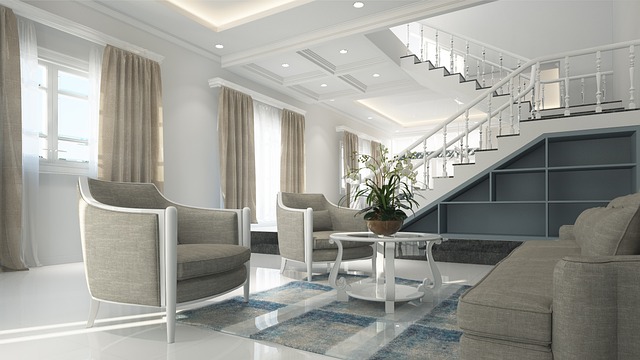
Lighting defines how a small living room feels before any furniture or décor takes effect. Experts agree that poor light planning can make even well-decorated rooms seem cramped or cold. The key lies in layering light sources, balancing brightness and shadow, and integrating natural light effectively. When room designers analyze these factors, they find that overreliance on one fixture, mismatched color temperatures, or blocked windows often cause discomfort. Proper lighting design reshapes spatial perception and emotional tone, turning limited square footage into an inviting retreat.
The Psychological Role of Lighting in Small Living Rooms
Lighting does more than illuminate; it shapes how people perceive space and emotion. The human brain reads brightness gradients as cues for distance and openness, which means a dim corner or harsh glare can distort how large or small a room feels.
How Lighting Influences Spatial Perception
Proper lighting alters how the brain interprets spatial boundaries. When ambient light fills corners evenly, walls appear farther apart, making compact rooms seem larger. Layered light sources—such as combining ceiling lights with wall sconces or floor lamps—can visually expand or compress a room depending on placement. The balance between brightness and shadow defines perceived openness; too much contrast creates visual tension, while soft diffusion maintains flow across surfaces.
Emotional Responses Triggered by Light Quality
Light quality directly affects mood. Warm lighting fosters intimacy and comfort in confined spaces because it mimics sunset tones that the brain associates with relaxation. Cool tones promote clarity but may evoke detachment if overused, especially in social zones like living rooms. Light intensity also shapes behavior: lower levels encourage restfulness, whereas bright task lighting supports reading or conversation without strain.
Common Lighting Mistakes That Make Small Living Rooms Feel Unwelcoming
Many small living rooms fail not because of layout but because of poor lighting decisions. Room designers frequently identify two main issues: dependence on one overhead source and neglect of natural illumination.
Overreliance on a Single Overhead Fixture
A single ceiling fixture often casts harsh shadows that exaggerate edges and make ceilings feel lower. Centralized light creates uneven illumination that emphasizes corners instead of blending them into the visual field. This imbalance reduces spatial harmony and makes the room feel boxed in. Without layered lighting—ambient for general use, task for function, accent for focus—the space lacks adaptability for different moods or times of day.
Insufficient Natural Light Integration
Blocking windows with heavy drapery disrupts daylight flow and causes gloom even during bright hours. Poor window orientation can leave parts of the room perpetually dim unless supplemented by reflective surfaces or artificial sources. Using lighter wall colors, glass tables, and mirrors amplifies available daylight effectively by bouncing it deeper into the interior. Such adjustments help maintain rhythm between indoor brightness and outdoor cues.
Strategic Lighting Design Principles for Small Spaces
Room designers approach small spaces with precision: every bulb placement matters as much as furniture scale. A successful plan layers ambient, task, and accent lighting while maintaining consistent color temperature throughout.
Layering Ambient, Task, and Accent Lighting
Ambient Lighting as the Foundational Layer
Ambient lighting provides uniform illumination that prevents dark pockets from forming behind furniture or near corners. It should be diffused through shades or recessed fixtures to avoid glare on walls and ceilings that can flatten depth perception.
Task Lighting for Functionality and Focus
Task lights are essential near seating areas where reading or detailed work occurs. Adjustable fixtures allow flexibility without overwhelming the space visually. Swing-arm lamps beside armchairs or slim LED strips under shelves are practical examples that preserve openness while serving purpose.
Accent Lighting to Define Architectural Features
Accent lights highlight textures such as exposed brick or wood grain and draw attention to artwork or shelving units for visual depth. By creating focal points, they guide the eye through compact layouts so the viewer perceives more layers within limited square footage.
Color Temperature Coordination Across Fixtures
Consistency across fixtures maintains cohesive ambiance; mixing warm (2700K) with cool (4000K) tones fragments small spaces visually. Designers often select one temperature family per zone to preserve unity between artificial sources and incoming daylight.
The Interplay Between Furniture Layout and Lighting Design
Furniture placement determines how effectively light spreads through a room. When fixtures align with seating patterns rather than structural symmetry alone, both comfort and visibility improve.
Positioning Fixtures Relative to Furnishings
Floor lamps beside sofas enhance reading comfort while anchoring conversational clusters with gentle glow instead of overhead glare. Wall sconces placed at mid-height free up floor area yet lift vertical perception by pulling attention upward—a trick especially useful in low-ceiling apartments.
Using Reflective Materials to Amplify Light Distribution
Metallic finishes on side tables or lamp bases redirect rays efficiently toward darker sections of a room. Strategically positioned mirrors opposite windows extend brightness into shadowed zones without adding extra fixtures. This interplay between reflection and diffusion keeps energy consumption low while maintaining visual balance.
Advanced Techniques Room Designers Use to Shape Mood Through Light
Modern technology allows finer control over atmosphere than ever before. Professional designers now integrate programmable systems and hidden sources to adjust mood dynamically throughout the day.
Smart Lighting Systems for Dynamic Ambiance Control
Smart systems let users pre-set scenes—morning brightness for focus, evening dimness for relaxation—by adjusting tone based on activity or time of day automatically. Dimmable LEDs enable smooth transitions between functional brightness during chores and soft radiance during social hours without manual recalibration each time.
Integrating Hidden or Indirect Light Sources
Cove lighting along ceiling edges softens boundaries so ceilings appear higher than they are, subtly expanding perceived volume. Recessed LED strips behind furniture introduce gentle backlighting effects that enhance texture without cluttering sightlines—a discreet method favored by professionals working within tight dimensions.
FAQ
Q1: Why does overhead-only lighting make rooms feel smaller?
A: Because it concentrates illumination at one point, creating harsh contrasts that emphasize shadows instead of distributing brightness evenly across walls.
Q2: What color temperature works best for small living rooms?
A: Around 2700–3000K offers warmth suitable for relaxation while still maintaining clarity; cooler tones should be limited to work areas only.
Q3: How can mirrors improve light distribution?
A: Mirrors reflect both natural and artificial light deeper into interiors, reducing dark spots without adding extra fixtures.
Q4: Are smart bulbs worth installing in compact spaces?
A: Yes; they allow fine-tuned control over brightness levels and color shifts throughout the day without rewiring existing setups.
Q5: What’s one common oversight even professionals sometimes make?
A: Ignoring how wall paint finish interacts with light—matte absorbs more than satin—can unintentionally dull an otherwise well-planned scheme.