
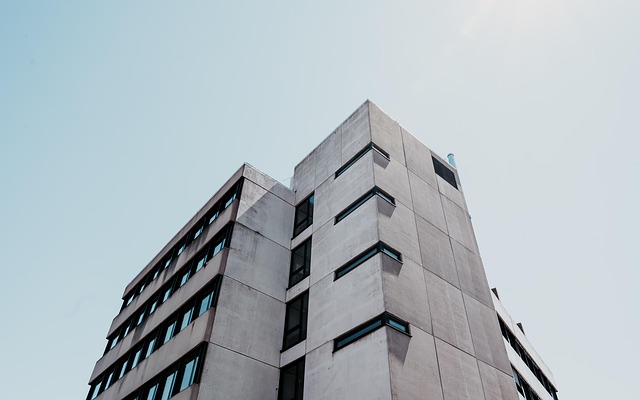
What Makes Brutalism Stand Out Among Architectural Building Styles
An Introduction to Brutalism: The Iconic Postwar Architectural Style That Combined Utopianism and Concrete
Brutalism stands as one of the most polarizing architectural building styles of the 20th century. Emerging after World War II, it fused social idealism with an unapologetic embrace of raw concrete. This style was not merely aesthetic but moral—it sought honesty in materials and function while addressing the urgent need for reconstruction. Though once dismissed as harsh or authoritarian, Brutalism now commands renewed respect for its structural clarity, civic ambition, and influence on contemporary design thinking.
The Origins and Philosophical Foundations of Brutalism
The roots of Brutalism lie in a world rebuilding itself from devastation. Architects faced the challenge of creating affordable structures that embodied both resilience and integrity.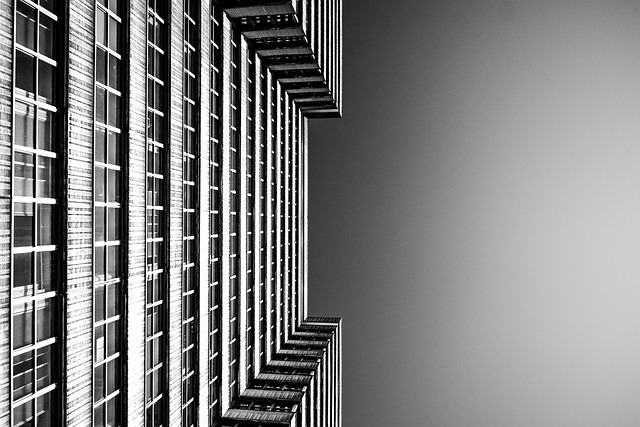
The Postwar Context That Gave Rise to Brutalism
In postwar Europe, cities required rapid reconstruction using cost-effective materials. Concrete became the logical choice—plentiful, adaptable, and expressive. Beyond utility, architects like Alison and Peter Smithson saw Brutalism as a moral project. Buildings should reveal their structure honestly rather than disguise it behind ornament. This ethical stance aligned with the social mission of providing dignified housing for working-class citizens, transforming architecture into a tool for collective progress.
The Influence of Modernism and Le Corbusier’s Principles
Brutalism’s intellectual lineage traces to Le Corbusier’s béton brut—raw concrete surfaces that inspired both the term and aesthetic of the movement. His late works, such as Unité d’Habitation in Marseille, demonstrated how mass housing could achieve sculptural power without decorative excess. Early Brutalists adopted modernist functional logic but rejected its polished sterility. They sought emotional depth through texture, weight, and human scale—a rebellion against glass-and-steel uniformity.
Materiality and Aesthetic Expression in Brutalist Architecture
Material became message in Brutalist design. Architects treated concrete not just as structure but as language—a medium capable of expressing honesty, permanence, and civic gravity.
Concrete as an Architectural Language
Exposed concrete defined Brutalism’s visual identity. Its rough textures recorded the imprint of wooden formwork like geological strata, turning construction traces into artful detail. Imperfections were celebrated rather than concealed; they testified to craftsmanship and process. The play between massive forms and shifting light produced dramatic shadow patterns that gave even static buildings a sense of movement.
Structural Honesty and Functional Clarity
Brutalist buildings often externalized their internal systems—staircases projected outward, service ducts stood visible, circulation paths were legible from afar. This transparency reflected an ethical conviction: architecture should reveal how it works. Ornamentation disappeared, replaced by expressive geometry—cantilevers, voids, vertical ribs—that communicated purpose through form alone.
Social Ideals Embedded in Brutalist Design
Beyond aesthetics lay ideology. Brutalism carried utopian ambitions rooted in mid-century faith in collective welfare.
Utopian Aspirations in Urban Planning
Postwar planners envisioned architecture as a social equalizer. Massive housing estates like London’s Barbican or Sheffield’s Park Hill aimed to foster community through shared courtyards and elevated walkways. These projects embodied egalitarian ideals—functional yet monumental spaces designed for everyday citizens rather than elites.
Institutional Architecture and Public Engagement
Universities and civic buildings adopted Brutalist forms to symbolize transparency and accessibility. Libraries such as Boston’s City Hall or Toronto’s Robarts Library expressed democratic openness through monumental scale rather than decorative grandeur. The intention was clear: public architecture should belong to everyone.
Global Adaptations and Regional Interpretations of Brutalism
As the movement spread globally, local conditions reshaped its expression while preserving its core principles of material truth and social intent.
Variations Across Europe, North America, and Asia
In Europe, especially Britain and Eastern Bloc countries, Brutalism served social housing agendas tied to welfare-state policies. North American architects blended its rugged materiality with corporate modernism—seen in Paul Rudolph’s Yale Art & Architecture Building or Boston City Hall’s civic assertiveness. In Asia, tropical climates prompted adaptation: deep overhangs, textured façades, and regional materials moderated heat while maintaining concrete’s sculptural essence.
The Role of Local Context in Shaping Form and Function
Climate dictated form across regions—sunshades in India or Japan softened glare while preserving monumentality. Local craftsmanship brought cultural nuance: hand-finished surfaces or patterned shuttering lent individuality to standardized materials. Many architects integrated these massive forms within landscapes carefully to balance human scale with environmental sensitivity.
Critical Reception, Decline, and Contemporary Reassessment
Brutalism’s trajectory mirrors shifting public attitudes toward modernity itself—from optimism to disillusionment to rediscovery.
Early Criticisms and Public Perception Shifts
By the 1970s, many saw Brutalist structures as symbols of bureaucratic coldness or urban decay. Weathering issues compounded negative views; untreated concrete stained easily and required costly upkeep. As tastes turned toward postmodern eclecticism, entire estates were demolished or left neglected despite their architectural significance.
Revival Through Preservation and Academic Discourse
In recent decades scholars have reevaluated Brutalism as a vital expression of postwar identity rather than aesthetic failure. Conservation initiatives now highlight craftsmanship once dismissed as crude—revealing delicate surface modulations beneath grime layers. Digital platforms have also amplified appreciation among younger architects who view these buildings not as relics but as lessons in integrity.
The Enduring Legacy of Brutalism in Contemporary Design Practice
Today’s architectural building styles still carry traces of Brutalist DNA—from minimalist interiors to sustainable adaptive reuse projects that reinterpret concrete heritage for new generations.
Influence on Modern Architectural Thinking
Contemporary minimalism inherits Brutalism’s devotion to material authenticity—plain concrete walls now coexist with glass or timber without pretense. Adaptive reuse has transformed former government blocks into creative hubs or housing complexes that honor original structure while meeting modern energy standards.
Lessons from Brutalism for Future Architectural Directions
Brutalism teaches that transparency of structure fosters ethical engagement with material reality—a principle increasingly relevant amid sustainability debates. Its commitment to social purpose reminds designers that architecture must serve people first even when pursuing aesthetic innovation. Revisiting these principles bridges past utopian hopes with future urban challenges where density demands both function and humanity.
FAQ
Q1: Why is it called “Brutalism”?
A: The term derives from Le Corbusier’s phrase “béton brut,” meaning raw concrete, which described his use of unfinished surfaces later adopted by British critics to label this emerging style.
Q2: What distinguishes Brutalist architecture from other modernist styles?
A: Unlike International Style modernism that emphasized lightness and glass façades, Brutalism focused on massiveness, exposed structure, and tactile materiality that conveyed emotional depth.
Q3: Why did public opinion turn against Brutalist buildings?
A: Their imposing appearance combined with poor maintenance led many to associate them with neglect or authoritarian institutions during late 20th-century urban decline.
Q4: Are any famous examples being preserved today?
A: Yes; landmarks such as London’s Barbican Estate and Boston City Hall are now protected heritage sites undergoing restoration emphasizing original craftsmanship.
Q5: How does Brutalism influence current sustainable design?
A: Its emphasis on structural honesty aligns with sustainable practices that prioritize durability, adaptive reuse, and reduced material waste in contemporary construction.