
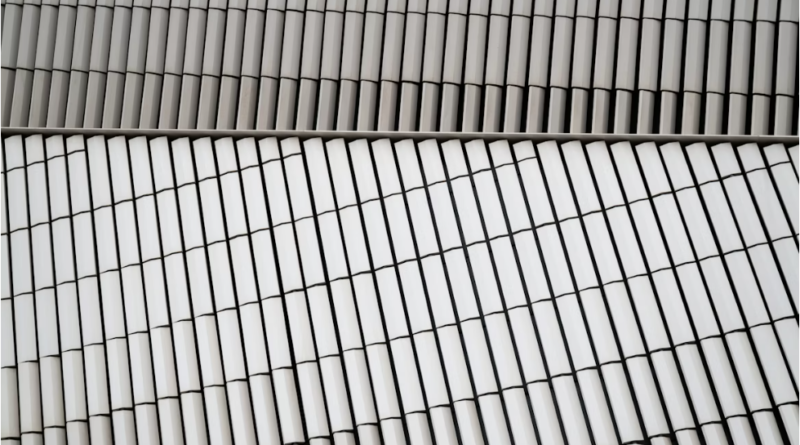
Are Metal Facades the Key to Achieving Net Zero Buildings by 2026
How Do Metal Facades Contribute to Net Zero Building Goals?
Reaching net zero energy use by 2026 means each part of a building’s outer layer must do more work. Metal facades stand out as a key tool for builders and designers. They help mix good looks with strong function and green practices. These facades do more than just look nice. They control energy movement well. They fit in renewable setups. And they cut down on carbon from daily operations.
Enhanced Energy Efficiency Through Thermal Regulation
Metal facades serve as the main shield against heat movement. Pair them with good insulation setups. Then, they cut a building’s need for heat or cool air a lot. This works best with insulation placed behind air-flow cladding that limits heat shortcuts. Shiny coatings on aluminum or steel sheets boost this. They lower heat from the sun in hot places. In cooler areas, two-layer metal facades hold air pockets. These pockets act like simple buffers. They keep inside temperatures steady all year. Take office buildings in Singapore, for instance. They use punched aluminum strips. These have dropped cooling needs by about 20%. Such designs show how the outer layer shapes energy use directly. In real projects, I’ve seen teams tweak these setups based on local weather patterns, which adds a practical touch to the planning.
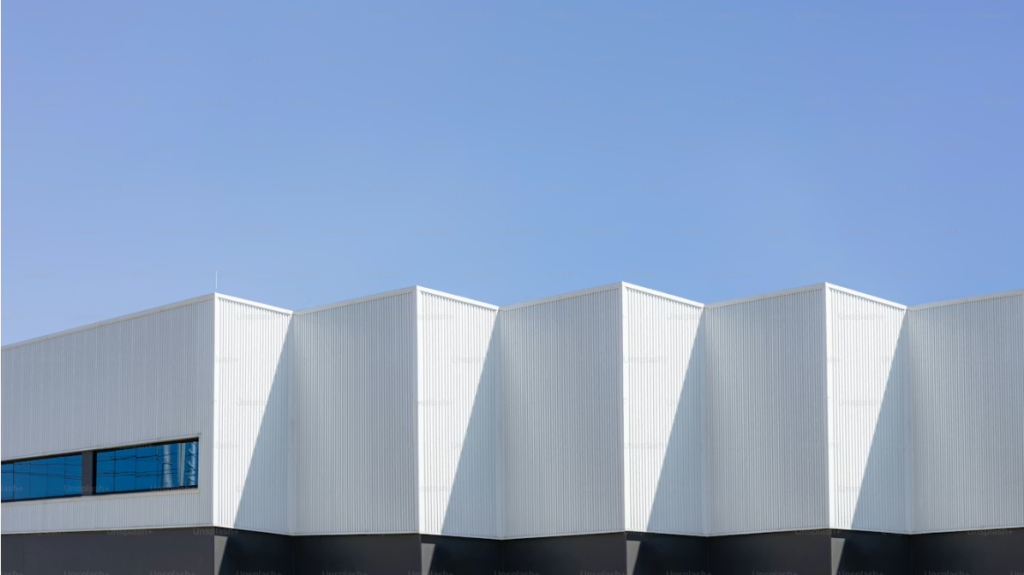
Integration With Renewable Energy Systems
Today’s metal facades go beyond just sitting there. They play an active part in making clean power. Many include solar panels right into the outer structure. This creates a smooth mix of build and sun energy. Metal parts that carry electricity help move and store power well when linked to building-integrated photovoltaics (BIPV). Metals bend easily. So, builders can form sheets that match light paths or wind directions. At the same time, they hide green tech inside the building’s style. One example comes from a school in Europe where PV-covered metal panels powered lights without extra roof space, saving costs in ways that surprised the budget planners.
Reduction of Operational Carbon Emissions
A smart metal facade setup can greatly lower the load on heating and cooling machines. It does this by making the outer layer work better. Buildings then need less mechanical help for warmth or chill. So, their daily carbon output falls in step. Smart facades go a step further. They use sensors to change shade or air flow based on current weather. These active surfaces keep people comfy. Yet, they hold energy use down. This pushes straight toward net zero aims. Interestingly, in rainy climates like the UK, these systems also handle moisture better, which prevents hidden energy losses from damp issues.
Can Metal Facades Improve Building Lifecycle Sustainability?
Energy savings each day are just one piece. Metal facades help a lot with green measures over a building’s full life. This covers getting materials to final reuse.
Durability and Longevity of Metal Materials
Metals like aluminum, zinc, and stainless steel shine for their toughness and fight against rust. They often last over 50 years. And they need little upkeep. This long run cuts down on swaps. It spreads out the carbon from making them over many years. Plus, guard coatings such as PVDF or anodized layers protect sheets from weather. They hold up in salty sea air or factory smoke. From what I’ve observed in coastal projects, these finishes make a big difference in keeping things looking fresh without constant fixes.
Recyclability and Circular Economy Potential
The top green point for metal facades is how they can be reused. Unlike mixed materials that wear out after one go, metals keep their strength forever when recycled. Aluminum sheets from old spots get melted and reshaped into fresh covers. They lose almost no quality. This fits a loop model in building. Materials keep going around instead of piling up as trash. It’s a main idea in the circular economy. In practice, recycling firms report that 90% of such metal comes back into use, which feels like a win for everyone involved.
Lower Environmental Impact During Construction and Demolition
Made-ahead metal facade sheets come from factory spots under tight watch. This cuts waste at the build site. It also shortens build times. Their light weight means less pollution from moving them. Trucks haul more coverage per trip than with heavy stuff like rock or cement. When tearing down, easy-link parts let workers take them apart fast. Panels then get reused or recycled. They skip the dump. One demolition job I recall in an urban area reused 70% of the metal panels, turning what could be waste into new value.
What Design Flexibility Do Metal Facades Offer for Sustainable Architecture?
Metal facades give builders great room to create. This freedom covers looks and jobs. It lets designs react smartly to nature needs. All while keeping high style levels.
Adaptive Aesthetic and Functional Design Options
From rough stainless steel feels to bright anodized shades, metals offer a wide range of choices for art. They don’t hurt how things work. Punched or shaped sheets spread day light inside. They cut bright spots too. This boosts comfort without machines. Some builds use moving parts. Sheets turn with the sun to handle shade all day. In a hot desert project, these moving fins not only saved energy but also created cool shadow patterns that tenants actually enjoyed watching.
Compatibility With Advanced Building Technologies
Metal facades pair well with computer controls and smart watchers. These track heat, wet air, or light right now. The info lets systems change air flow or shade on their own. They aim for best inside setup with low power. Linking with Building Information Modeling (BIM) tools sharpens design accuracy. It tests heat actions before work starts. Teams often find small tweaks here that prevent big headaches later.
Support for High-performance Envelope Systems
Team metal covers with strong filler layers like mineral wool or hard foam boards. This boosts air-tight seals and full outer strength. The combo helps buildings hit tough net zero marks. It cuts unwanted air slips. That’s a big waste source in old outer layers. In cold winters, this setup has kept energy bills down by 15% in some northern homes, based on owner feedback.
How Do Metal Facades Influence Embodied Carbon Reduction?
Embodied carbon means gases from making materials and building. It’s a key number now as daily gases drop from better saves.
Efficient Material Production Processes
Makers have improved a lot in cutting carbon from metal work. They use cleaner melt methods and sun-powered plants. Picking recycled aluminum over new rock drops embodied carbon by close to 95%. Steady gains in chains from digging ore to final shine lower gases for each bit of facade put up. Industry reports show that switching to recycled sources alone can halve the footprint in many cases, which is a straightforward change for suppliers.
Lightweight Construction Benefits
Metals such as aluminum weigh much less than cement or brick picks. They put less strain on base supports. This lets planners use thinner frames and smaller cement amounts. Both cut embodied carbon big time. Light sheets also ease setup moves. They need fewer lifts and less crane time on site. During a recent build, this meant one less truck day, which cut fuel use noticeably.
Lifecycle Assessment of Metal Facade Systems
Lifecycle assessment (LCA) tools measure full green hit from start to end. Research shows steady results. First making might add some gases. But the long life and reuse of metals lead to smaller total carbon over years. This beats shorter-lived stuff. Clear LCA reports help meet rules like LEED or BREEAM. They build trust from funders in green build groups. Sometimes, these assessments reveal surprises, like how transport choices affect the numbers more than expected.
Are Metal Facades Economically Viable for Net Zero Projects?
Green work often ties to higher start costs. But metal facades show solid money sense over time. They bring saves in running and keep material worth.
Long-term Cost Efficiency Through Energy Savings
Better heat control turns into smaller power bills each month. It lowers needs for heat and cool. Smaller machines for air mean less spend at build time. They also cut upkeep costs in use. Set care plans make money planning easy for site bosses. Over 10 years, these savings often pay back the extra upfront, as seen in many commercial spots.
Value Retention Through Material Reuse and Recycling
Metals keep built-in worth after long service. They recycle forever without losing power. Builders gain cash when taken-down parts sell to reuse markets. Not like non-reuse mixes that cost to throw out. This turns end costs into gains. In one old factory redo, the metal resale covered half the new install, which was a nice bonus.
Incentives and Policy Support for Sustainable Facade Adoption
Governments give tax breaks or funds now for low-gas stuff like aluminum covers with sun tech. Meeting new green rules opens doors to special loans. These include green bonds or ESG funds. They boost project gains long-term. Policies vary by country, but the push is clear worldwide.
How Can Architects Leverage Metal Facades to Meet 2026 Net Zero Targets?
Rules for net zero grow close around the world. Many tie to 2026 plans. Builders must think full from the start. Not add fixes later.
Integration Into Holistic Building Design Strategies
Early team work between builders, tech experts, and makers sets facade traits right. Things like heat block, shine, and air flow match big energy plans. Test tools show how sheet setups act in different weather. This lets data guide choices before making starts. In team meetings, sharing real-site data often sparks better ideas.
Collaboration With Manufacturers for Innovation
Tight links between creators and makers speed new ideas in metal mixes or cover tech. They aim to drop embodied carbon more. They also boost rust fight or easy-clean traits. Back-and-forth during jobs helps shape next products for better green results. One partnership led to a new coating that cut cleaning needs by 30%, a real game-changer for busy sites.
Compliance With Emerging Sustainability Standards
Match projects soon with known plans like LEED Zero Carbon or country net zero paths. This smooths green checks later. Open records prove green claims. They build funder faith too. As green builds become common, this trust matters more. It’s becoming standard, almost like a must-have for new deals.
What Future Trends Will Shape the Role of Metal Facades in Net Zero Architecture?
Facade tech grows fast. Digital aids mix with new material finds. They shape green city views ahead.
Advances in Smart Material Technologies
Work on tiny-structured covers brings self-wipe faces. They push away dirt and keep shine long. This helps tall city builds in dirty air. Other finds include color-change layers. They shift heat send based on daily temps. In polluted spots like Asian megacities, these could save on window washing crews big time.
Expansion of Digital Design Capabilities
Shape-model tools now fine-tune sheet forms to sun track info. AI checks full life hits at once. Digital copies keep watch after build. They check real acts against plans over use time. This tech feels like it’s jumping ahead, with updates coming every few months.
Collaboration Across the Construction Ecosystem
Next steps need better team work between builders, sellers, workers, and rule makers. They all aim at cutting gases in full chains. Not just single jobs. Shared spots for ideas will speed green take-up worldwide. Best ways spread quick through open info shares in work groups. It’s exciting to think how global teams might share fixes for common problems.
FAQ
Q1: How long do metal facades typically last?
A: Properly maintained aluminum or steel façades often exceed fifty years due to corrosion-resistant finishes that protect against weathering even under harsh conditions.
Q2: Are metal facades suitable for all climates?
A: Yes, because their thermal properties can be tuned using insulation layers or reflective coatings suited specifically for either hot sunny regions or cold humid ones.
Q3: Do recycled metals compromise structural strength?
A: No; recycled metals retain identical mechanical properties compared with virgin materials since melting does not alter atomic structure during reprocessing cycles.
Q4: Can existing buildings retrofit metal facades easily?
A: Prefabricated modular panel systems make retrofitting straightforward without major structural alterations while significantly boosting thermal efficiency immediately after installation.
Q5: What certifications recognize sustainable metal facade use?
A: LEED v4 credits façades contributing toward energy optimization points; BREEAM awards similar credits under materials efficiency categories verifying lifecycle transparency documentation requirements.