
Facade Design Fundamentals for Modern Building Style
Modern architecture has grown into a lively show of technology, culture, and green practices. Facade design stands right in the middle of this change. It shapes how buildings show their character and connect with the world around them. For architects and engineers, a smart facade is more than a pretty cover. It is a tricky setup that mixes looks, work, and use. This piece looks at the main ideas behind facade design in today’s building ways. It covers key questions that make it work well.
What Defines a Modern Facade Design?
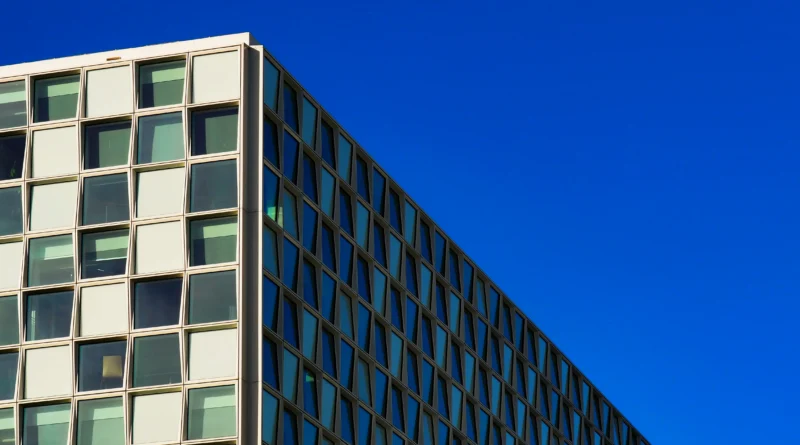
A modern facade design mixes creative ideas with careful engineering. It shows current ideas like openness, green living, and computer-made parts. The facade links inside comfort with outside weather. You see this in city skylines. Glass curtain walls rule there. But they stay power-saving thanks to clever material choices.
Material Innovation in Facade Systems
Choosing materials sets the look and how well the building’s outside works. Architects now use strong glass, aluminum mixes, fiber-strengthened concrete, and even materials that change with light or heat. These new ideas make facades lighter but tougher. They also offer varied styles while being kind to the earth. For example, in a project I recall from a busy city, they used special glass that cuts down on heat without blocking views. It saved a lot on air conditioning bills over time.
Integration of Technology and Function
Tools like BIM (Building Information Modeling) help control shapes and test how things perform. Parametric design programs let you check facades against sun paths or air flow before building starts. This leads to better use of resources. It also gives room for fresh ideas. Facades can now breathe, shift, or adjust to what is around them. Think about a tall office in a windy spot. The software predicted how panels would handle gusts, avoiding costly fixes later.
Aesthetic Expression Through Geometry
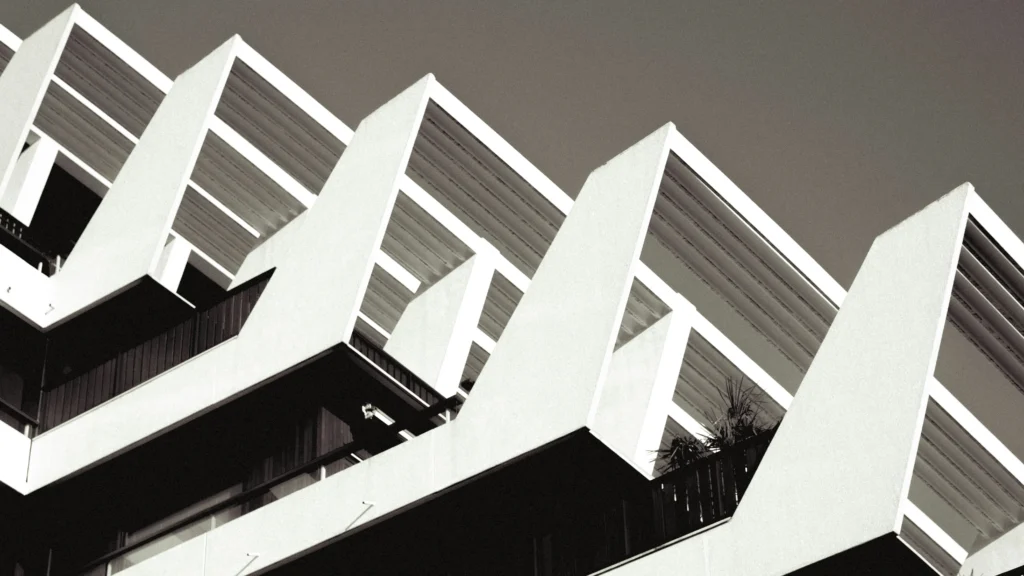
Shape matters a lot for a facade’s feel. Curved parts, holey sheets, or block patterns add flow and feel to city sides. Geometry can ease strong sun or help air move on its own. In real work, this means mixing art-like beauty with solid building sense. It is a key sign of good modern design. Sometimes, though, teams debate if a wild curve is worth the extra steel needed. But when it works, the building stands out for years.
How Does Sustainability Influence Facade Design?
Green goals push almost every big choice in today’s building work. The facade is the first shield against extra heat, bright glare, and power waste. A green way mixes simple tricks with tech tools. This cuts harm to nature. It also boosts how comfy people feel inside.
Energy Efficiency and Thermal Control
Strong glazing with low-emissivity coatings cuts heat move without losing day light. Double-skin facades make an air gap that keeps inside temps steady all year. Smart shades, like auto louvers, react to sun strength. They lower cooling needs by a lot. In one hot summer test in Texas, such a setup dropped energy use by 25 percent. That is real savings for owners.
Use of Renewable Materials
Picking fresh or reused stuff fits with reuse economy rules. Wood covers from checked forests or aluminum sheets from old scrap lower built-in carbon a ton. The life-cycle assessment (LCA) way measures green gains from start to end. From getting materials to making them, using them, and tossing them out. It is not always easy. Sourcing local wood can hike costs up front, but it pays off in the long run with lower transport fees.
Water Management and Green Facades
Green walls and upright gardens add life variety. They clean dirty air in cities. They also handle rain water by soaking it up with plants. In packed places like Singapore or Milan, these alive facades change how buildings fit with nature. Picture a high-rise covered in vines. It cools the block by a few degrees and draws birds back to the concrete jungle.
Why Is Climate Responsiveness Essential?
Each weather type needs its own building answer. A setup for hot Dubai won’t do well in cool Copenhagen without changes. Climate-smart facades adjust direction, shade size, material shine, and air flow based on local data. This keeps things working no matter the season.
Passive Cooling Strategies
Air paths in double-skin setups let hot air rise out. They pull cool air in. In warm spots, flat fins stop high sun but let soft light through. This cuts need for machine cooling big time. Engineers often say, in places like Arizona, these paths can handle 40 percent of summer cooling on their own.
Adaptive Shading Techniques
Moving shade fixes like electrochromic glass change clearness on their own with sun levels. This boosts eye comfort. It keeps inside heat even through weather shifts. It is handy for offices where folks work long hours under changing light.
Regional Material Adaptation
Home-grown materials give built-in weather perks. Terracotta screens in sea-side spots calm heat. Stone covers in cold areas hold warmth well. Using local stuff helps nearby jobs too. It cuts travel fumes. But finding just the right local stone can take weeks of scouting, adding a fun challenge to the job.
How Do Structural Systems Affect Facade Performance?
Every sleek facade has a built frame underneath. It holds weight safe. It also deals with shifts from wind or heat stretch.
Curtain Wall Engineering Principles
Curtain wall systems are skins that don’t hold main weight. They stick to frames with ties or bars. They spread wind push even over sheets. They let floors move apart a bit. This is key for tall buildings to stay steady. In earthquakes, these flexible links have saved structures from big damage.
Load Transfer Mechanisms
The spot where structure meets cover needs fine work. It stops stress build-up. Bendy joins take stretch forces without breaks in covers or water seals. Teams test these joins in labs first. It ensures nothing fails under real strain.
Maintenance Accessibility Design
Planning for upkeep is key but often skipped. It matters for lasting work. Adding walk paths or built-in clean tracks gives safe reach for checks. This avoids daily upsets. It is a must for high glass towers. One firm I know added these and cut repair times in half.
What Role Does Digital Fabrication Play?
Digital making links design thoughts to real builds. It uses exact ways like CNC milling or 3D printing.
Parametric Modeling Applications
Parametric tools turn hard shapes into parts that can be built. They set links between sizes, not set forms. This speeds up test makes of special sheets. They fit perfect when put together on site. It is like puzzle pieces that snap just right.
Prefabrication Efficiency Gains
Making parts off-site cuts trash. It also hurries up put-together times. Pieces show up set to go. Some have built-in watchers for heat or pull. This is the new wave of smart facades. In a recent build, this cut site time by 30 percent. Workers loved it—no more weather delays.
Data-Driven Performance Optimization
Watchers in facades grab live info on wet levels or sun power. This info loop helps manage choices on power use over days. It turns still buildings into quick-to-react setups. Data shows patterns, like peak heat at noon, so tweaks happen before issues grow.
How Does Cultural Context Shape Facade Identity?
Buildings tell local stories through their outside look, much like words share tales. A good facade echoes home ways, even with new tech.
Symbolism in Pattern Language
Designs from local art, like mashrabiya screens in Middle East spots, add beauty and use. They sift sun nice while keeping inside private. It blends old smarts with fresh builds.
Urban Integration Considerations
Facades should blend with nearby streets, not boss them. Designs that fit watch size shifts from old brick to new glass in old areas. This keeps city feel alive and balanced.
Emotional Impact on Users
Besides hard numbers, there is the heart pull. How folks feel near a building counts a lot. Soft feels draw people in. Shiny ones make you think. It is a quiet chat between eyes and made space. In busy towns, a welcoming facade can even lift moods on tough days.
FAQ
Q1: What is the main purpose of facade design?
A: It acts as both a shield wrap and a way to show style. It balances weather control with building character.
Q2: Which materials are most common in modern facades?
A: Glass mixes, metal sheets, fiber-strengthened concrete, and wood covers show up often. They last long, look good, and bend well across weather types.
Q3: How do smart technologies improve facade performance?
A: Watchers auto-run shades, air flow, and lights. They boost comfort and cut power use steady over time.
Q4: Why are green facades gaining popularity?
A: They add life types, clean air, and fight city heat traps. They bring clear green wins, mostly in tight city spots.
Q5: What challenges exist when designing complex facades?
A: Matching structure ties, cost watch, and upkeep plans takes effort. It needs tight team work among architects, engineers, and makers all through the job.